
Top 7 Causes of Tooth Sensitivity (And What You Can Do About It)
Do you feel a sharp pain when eating ice cream, drinking hot coffee, or breathing in cold air?
You’re not alone. Tooth sensitivity is one of the most common reasons people visit the dentist. While the discomfort may come and go, it’s important not to ignore it. Sensitive teeth are often a sign that something is affecting the protective layers of your teeth.
The good news is that tooth sensitivity is usually treatable once the underlying cause is identified.
At Bronte Road Family Dental in Oakville, we help patients determine why their teeth are sensitive and recommend treatments that provide long-term relief—not just temporary symptom control.
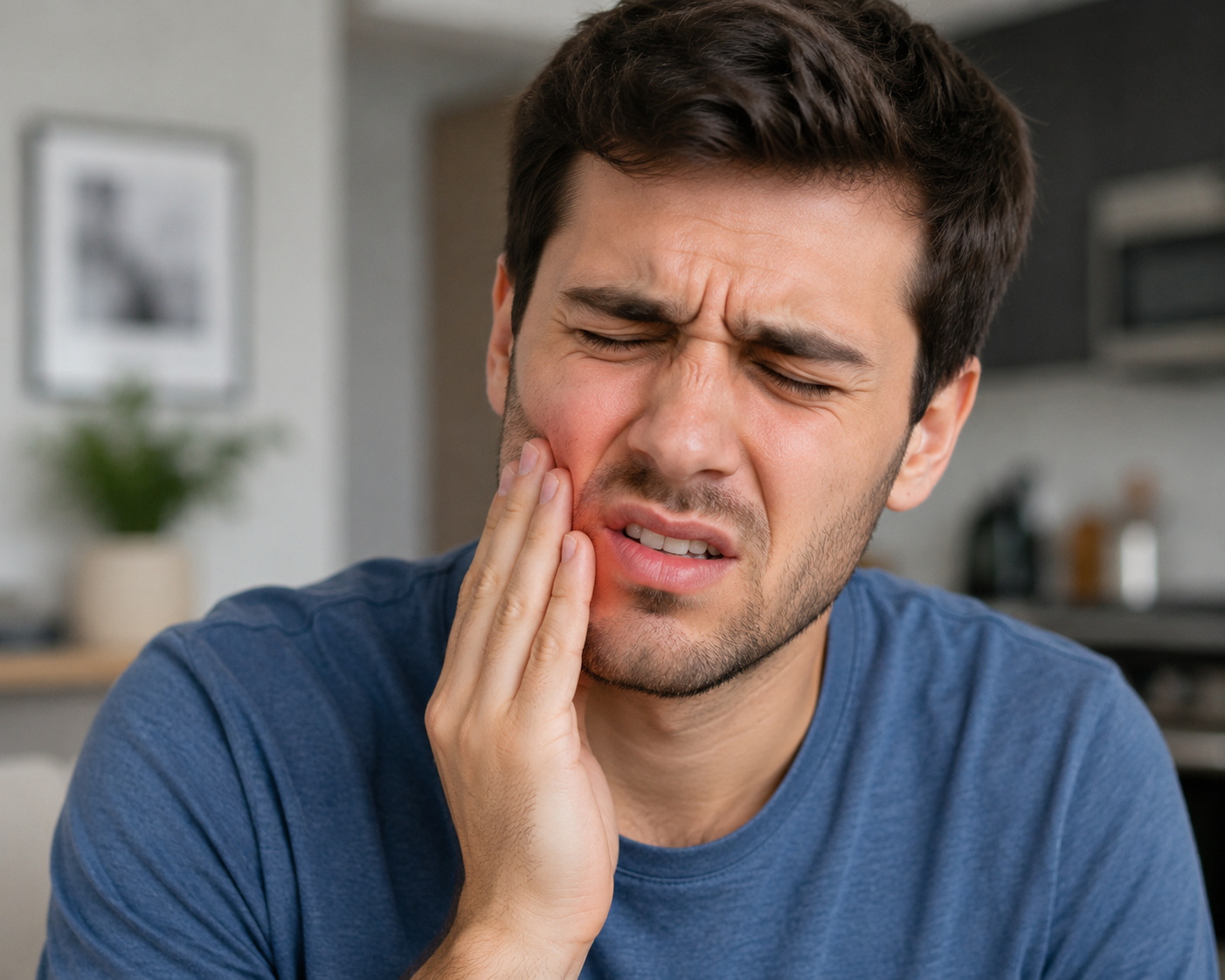
What Causes Tooth Sensitivity?
A healthy tooth is protected by enamel above the gumline and cementum over the root surface. Beneath these layers is dentin, which contains thousands of microscopic tubules that connect to the nerve inside the tooth.
When enamel wears away or gums recede, these tiny channels become exposed. Heat, cold, sweet foods, acidic drinks, or even cold air can stimulate the nerve, causing the familiar sharp sensation of sensitive teeth.
Here are seven of the most common reasons this happens.
1. Brushing Too Hard
Many people think brushing harder means brushing better.
Unfortunately, aggressive brushing or using a hard-bristled toothbrush can gradually wear away enamel and cause the gums to recede.
This exposes the root surface, increasing sensitivity.
What helps?
- Use a soft-bristled toothbrush.
- Brush gently using small circular motions.
- Avoid scrubbing back and forth.
2. Teeth Grinding (Bruxism)
Grinding or clenching your teeth—especially while sleeping—can slowly wear down enamel.
As enamel becomes thinner, the dentin underneath becomes exposed, making teeth much more sensitive.
Other signs of grinding include:
- Jaw pain
- Morning headaches
- Flattened teeth
- Chipped enamel
What helps?
Your dentist may recommend a custom night guard to protect your teeth while you sleep.
3. Whitening Products
Professional teeth whitening is generally safe when used correctly, but temporary sensitivity is a common side effect.
Some over-the-counter whitening products and whitening toothpastes can also increase sensitivity, especially if used too frequently.
What helps?
- Take breaks between whitening treatments.
- Use toothpaste designed for sensitive teeth.
- Speak with your dentist if sensitivity becomes severe.
4. Frequent Use of Mouthwash
Some mouthwashes contain alcohol or acidic ingredients that may irritate already sensitive teeth.
This is especially true if the dentin is already exposed.
What helps?
Choose an alcohol-free fluoride mouthwash or ask your dentist whether a mouthwash is necessary for your specific needs.
5. Gum Disease and Gum Recession
Healthy gums protect the roots of your teeth.
When gum disease causes the gums to recede, the root surfaces become exposed. Because roots are not covered by enamel, they are naturally much more sensitive.
You may also notice:
- Bleeding gums
- Swollen gums
- Bad breath
- Loose teeth in advanced cases
What helps?
Treating gum disease early can reduce sensitivity and help prevent further gum recession.
6. Plaque and Tartar Build-Up
Plaque contains bacteria that produce acids capable of weakening enamel.
If plaque isn’t removed through brushing and flossing, it can harden into tartar, increasing the risk of gum disease and sensitivity.
What helps?
- Brush twice daily with fluoride toothpaste.
- Floss every day.
- Schedule regular professional cleanings.
7. Recent Dental Treatment
Temporary sensitivity after dental treatment is very common.
You may notice sensitivity after:
- A filling
- A dental crown
- Professional teeth cleaning
- Root canal treatment
- Tooth extraction
In most cases, the discomfort improves within a few days or weeks.
If the pain becomes worse, lasts longer than expected, or occurs spontaneously without hot or cold triggers, contact your dentist for an evaluation.
Other Possible Causes of Sensitive Teeth
Sensitivity can also be caused by:
- Cracked teeth
- Cavities
- Acid erosion from soft drinks or acid reflux
- Receding gums due to aging
- Worn fillings
- Certain medical conditions
Because there are many possible causes, a dental examination is the best way to determine what’s happening.
How Can Tooth Sensitivity Be Treated?
Treatment depends on the underlying cause.
Your dentist may recommend:
- Desensitizing toothpaste
- Fluoride treatments
- Dental bonding
- Gum grafting for severe recession
- Replacing leaking fillings
- A custom night guard
- Treatment for gum disease
Many patients experience significant improvement once the source of the sensitivity is addressed.
How Bronte Road Family Dental Can Help
At Bronte Road Family Dental, we don’t just treat sensitive teeth—we identify why they’re sensitive.
After a thorough examination, we’ll recommend a personalized treatment plan to help relieve discomfort while protecting your teeth from future damage.
Frequently Asked Questions
Why do my teeth hurt when I drink cold water?
Cold sensitivity usually occurs when enamel has worn away or the tooth root has become exposed.
Does sensitive toothpaste really work?
Yes. Many desensitizing toothpastes help reduce sensitivity by blocking signals from reaching the tooth nerve. They often require several weeks of regular use before noticeable improvement occurs.
Is tooth sensitivity a sign of a cavity?
Sometimes. Sensitivity may be caused by a cavity, but it can also result from gum recession, enamel wear, grinding, whitening, or other conditions.
Should I stop whitening my teeth if they become sensitive?
If you experience significant sensitivity, pause whitening and speak with your dentist before continuing.
When should I see a dentist?
If sensitivity lasts more than a few days, becomes severe, or occurs without obvious triggers, schedule a dental examination. Persistent sensitivity may indicate a cavity, cracked tooth, gum disease, or another condition that requires treatment.
Don’t Ignore Sensitive Teeth
Tooth sensitivity is common, but it isn’t something you should simply learn to live with.
Whether the cause is worn enamel, gum recession, grinding, or another dental problem, early diagnosis often leads to simpler and more effective treatment.
If sensitive teeth are affecting your daily life, the team at Bronte Road Family Dental in Oakville can help identify the cause and recommend the treatment that’s right for you.
References
- Canadian Dental Association – Sensitive Teeth
- American Dental Association – Tooth Sensitivity
- Canadian Academy of Periodontology – Gum Disease and Gum Recession