
Waking Up With Jaw Pain? You May Be Grinding Your Teeth at Night
Do you wake up with a sore jaw, headaches, or sensitive teeth?
If so, you may be experiencing bruxism, a condition that causes people to clench or grind their teeth, often while they are asleep.
Many people don’t realize they grind their teeth until a partner hears the noise or their dentist notices worn or cracked teeth during a routine examination.
At Bronte Road Family Dental in Oakville, we regularly help patients identify the signs of teeth grinding and recommend ways to protect their teeth and jaw.
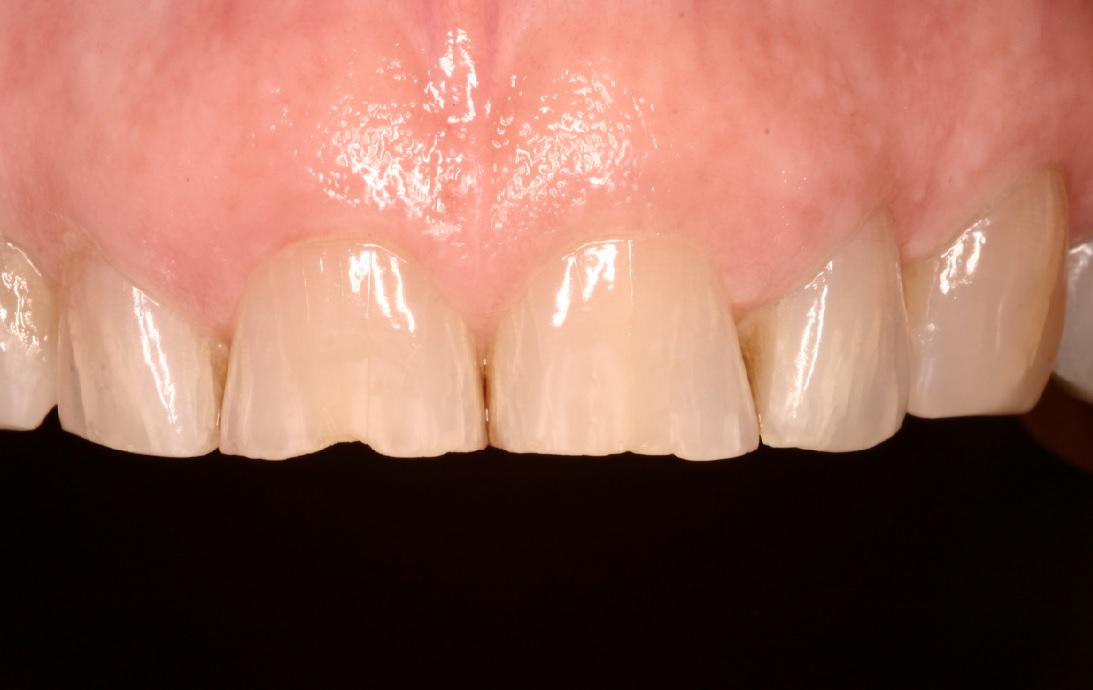
What Is Bruxism?
Bruxism is the involuntary grinding or clenching of the teeth.
It can occur:
- During sleep (sleep bruxism)
- While awake (awake bruxism)
Sleep bruxism is considered a sleep-related movement disorder and often occurs without the person being aware of it.
Over time, repeated grinding places significant pressure on the teeth, jaw muscles, and jaw joints.
What Causes Teeth Grinding?
There is rarely a single cause.
Several factors may contribute, including:
- Stress and anxiety
- Sleep disorders
- Obstructive sleep apnea
- Caffeine
- Alcohol
- Tobacco use
- Certain medications
- Misaligned teeth in some cases
- Family history
Many people have more than one contributing factor.
Common Signs and Symptoms
Bruxism doesn’t always cause pain at first.
Common symptoms include:
- Morning headaches
- Jaw pain or stiffness
- Facial muscle soreness
- Ear pain without an ear infection
- Worn or flattened teeth
- Chipped or cracked teeth
- Tooth sensitivity
- Neck pain
- Clicking or discomfort in the jaw joint
Some patients are surprised to learn they have bruxism because they sleep through the grinding.
Can Teeth Grinding Damage Your Teeth?
Yes.
Over time, untreated bruxism may lead to:
- Worn enamel
- Tooth fractures
- Broken fillings
- Cracked crowns
- Increased tooth sensitivity
- Gum recession in some cases
- Jaw muscle fatigue
- Temporomandibular joint (TMJ) discomfort
Early diagnosis often prevents more extensive dental treatment later.
How Is Bruxism Diagnosed?
Your dentist will examine your teeth for signs such as:
- Flat chewing surfaces
- Tooth wear
- Small fractures
- Cracked fillings
- Tender jaw muscles
- Changes in your bite
Your symptoms, medical history, and sleep habits also help determine whether teeth grinding may be occurring.
How Is Teeth Grinding Treated?
Treatment depends on the underlying cause and the amount of damage present.
Custom Night Guards
A custom-made night guard is one of the most common treatments.
It fits comfortably over your teeth while you sleep and helps protect them from further wear and fracture.
Although a night guard doesn’t stop bruxism itself, it helps reduce the damage caused by grinding.
Stress Management
Because stress often contributes to awake and sleep bruxism, some people benefit from:
- Regular exercise
- Relaxation techniques
- Meditation
- Reading before bed
- Good sleep habits
Reducing stress may lessen clenching for some individuals.
Treating Underlying Conditions
If sleep apnea or another sleep disorder is suspected, your dentist may recommend further evaluation with your physician or a sleep specialist.
Managing the underlying condition may improve symptoms in some patients.
Restoring Damaged Teeth
If grinding has already caused fractures, worn teeth, or broken restorations, treatment may include:
- Tooth-coloured fillings
- Bonding
- Crowns
- Other restorative procedures
Your dentist will recommend the most conservative option appropriate for your situation.
Can You Stop Grinding Your Teeth Naturally?
Some habits may help reduce daytime clenching:
- Be aware of jaw tension during the day.
- Keep your teeth slightly apart when you’re not eating.
- Avoid chewing ice or hard objects.
- Limit caffeine and alcohol, particularly in the evening.
- Practice good sleep hygiene.
These strategies may help some people, although they are not a substitute for professional evaluation if symptoms persist.
How Bronte Road Family Dental Can Help
At Bronte Road Family Dental, we evaluate the signs of teeth grinding during routine examinations and look for early wear before significant damage occurs.
If you have symptoms of bruxism, we’ll identify possible contributing factors, recommend appropriate treatment, and help protect your teeth from long-term damage with a personalized care plan.
Frequently Asked Questions
Is teeth grinding serious?
It can be. Mild grinding may cause little damage, but severe or prolonged bruxism can lead to worn teeth, fractures, jaw discomfort, and expensive dental treatment if left untreated.
Can stress cause teeth grinding?
Yes. Stress and anxiety are common contributing factors, although they are not the only causes.
Will a night guard stop me from grinding?
A night guard protects your teeth from damage but does not necessarily stop the grinding itself.
Can children grind their teeth?
Yes. Teeth grinding is relatively common in children and often improves as they grow. Persistent symptoms should still be evaluated by a dentist.
Should I be worried if I wake up with headaches?
Morning headaches, jaw soreness, and tooth sensitivity may all be signs of bruxism and should be discussed with your dentist.
Protect Your Teeth Before Grinding Causes Permanent Damage
Teeth grinding is common, but it shouldn’t be ignored. Left untreated, it can gradually wear down your teeth, damage dental restorations, and contribute to jaw discomfort.
The earlier bruxism is identified, the easier it is to protect your smile and prevent more extensive treatment.
If you think you may be grinding your teeth at night, the team at Bronte Road Family Dental in Oakville can help identify the cause and recommend the treatment that’s right for you.
References
- Canadian Dental Association – Bruxism and Tooth Wear
- American Dental Association – MouthHealthy: Bruxism
- American Academy of Sleep Medicine – Sleep Bruxism Information