Dental crowns
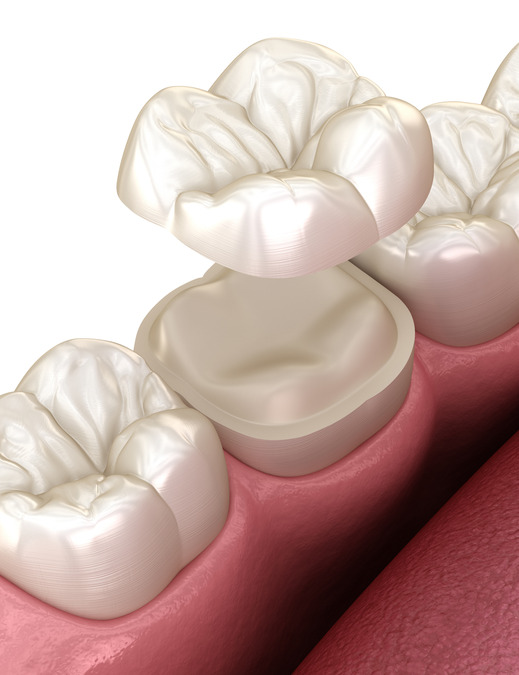
When a tooth is severely damaged, weakened, or has undergone major treatment such as a root canal, a dental crown can help restore its strength, appearance, and function. A crown is often the best option when a simple filling or bonding is not enough to keep the tooth healthy long term.
This guide will help you understand what a dental crown is, why it may be recommended, and what to expect throughout the entire procedure. With clear knowledge, you can feel confident making the right decision for your oral health.
A dental crown is a custom-made “cap” that covers the entire visible surface of a tooth.
It is designed to:
- Strengthen a weakened or cracked tooth
- Restore shape and size
- Improve colour and appearance
- Protect the tooth from further damage
Crowns can be made from various materials, including porcelain, ceramic, zirconia, or metal alloys. Porcelain and zirconia crowns are commonly chosen because they closely match natural tooth colour and provide excellent durability.
How Can a Dental Crown Help?
You may need a crown if your tooth is:
- Broken, cracked, or severely worn down
- Large cavity that cannot be restored with a filling
- Root canal treated, which makes the tooth more fragile
- Discoloured or misshapen
- Missing, and you are restoring it with a dental implant
The goal of a crown is to protect and preserve the remaining tooth structure while restoring its appearance and function. A properly made crown can last 10–15 years or longer, depending on oral habits and maintenance.
What Is the Process?
Here is a breakdown of what to expect during your dental crown appointment(s).
Before the Appointment
Your dentist will examine the tooth and determine whether a crown is necessary.
To ensure the tooth is healthy enough for restoration, digital X-rays or other diagnostic tools may be used. In some cases, additional dental treatments like a core buildup may be required to reinforce the tooth before placing a crown. Please note that dental crowns done on implants are done differently.
Little preparation is needed from you as a patient.
During the Appointment
Crown treatment is typically completed in two visits, unless your office offers same-day CAD/CAM crowns.
1. Preparing the Tooth
- The tooth is numbed for comfort.
- The dentist shapes the tooth by removing damaged or weakened areas.
- This creates the proper space for the crown to fit securely.
If a large portion of the tooth is missing, additional material may be added (core buildup) to support the crown.
2. Taking Impressions
Your dentist will take digital or traditional impressions to ensure the crown is custom-fit.
The shade will be matched to your surrounding teeth for a natural appearance.
3. Temporary Crown Placement
A temporary crown is placed to protect the tooth while the permanent crown is fabricated at the dental lab.
This temporary crown allows you to bite, chew, and smile normally.
4. Crown Delivery (Second Visit)
- The temporary crown is removed.
- The dentist checks the fit, shape, and colour of the permanent crown.
- Once confirmed, the crown is cemented securely in place.
- The bite is adjusted to ensure comfort and proper alignment.
A full crown procedure generally takes 60–90 minutes per visit.
After the Appointment
It is normal to feel slight sensitivity after your crown is placed, especially to temperature or pressure. This usually settles within a few days.
Temporary crowns require extra care—avoid sticky or very hard foods until the permanent crown is placed.
Once the permanent crown is cemented, it should feel and function like a natural tooth.
Risks to Be Aware Of
While dental crowns are highly predictable and long-lasting, there are a few considerations:
- Sensitivity:
The tooth may be sensitive after preparation or cementation, especially if the nerve was irritated. - Chipping or cracking:
Porcelain can occasionally chip, particularly in patients with heavy bite forces or grinding habits. - Decay at crown margins:
Proper brushing, flossing, and routine cleanings help prevent decay where the crown meets the natural tooth. - Crown loosening:
If the cement wears down, the crown may loosen and require recementation.
Patients who grind or clench their teeth may benefit from a night guard to protect their crowns and natural teeth.
If your crown ever feels loose, painful, or uneven when biting, contact your dentist promptly to ensure the integrity of the restoration.
Commitment to patient care
We are dedicated to providing personalized, compassionate care, ensuring your comfort and delivering quality dental care for a healthier, brighter smile.


Book your appointment today and experience the difference of a dental team that truly cares. Proudly serving Bronte and Oakville community for over 10 years, we’ve had the privilege of helping more than 3,500 patients achieve healthier, more confident smiles. Our commitment to excellence has been recognized with the Consumer Choice Award for six consecutive years, and our patients consistently highlight our gentle, friendly approach in their reviews. Whether you’re due for a checkup or looking for a new dental home, we’re here to make your visit comfortable, stress-free, and rewarding—book now and see why our community trusts us.
A team of talented dental professionals in Oakville
Our dental staff in Oakville is dedicated to providing compassionate, professional care in a welcoming environment.
With a focus on patient comfort and personalized service, our team ensures every visit is stress-free and tailored to your needs.
Trust our skilled professionals to help you achieve a healthy, beautiful smile.