
Why Are My Teeth Sensitive? 10 Common Causes You Shouldn’t Ignore
Have you ever taken a sip of ice water or a bite of ice cream and felt a sudden sharp pain in your teeth?
Tooth sensitivity is one of the most common reasons people visit the dentist. For some people, it’s a brief twinge that comes and goes. For others, it can make eating, drinking, or even breathing in cold air uncomfortable.
At Bronte Road Family Dental in Oakville, we help patients identify the underlying cause of tooth sensitivity rather than simply treating the symptoms. While sensitive teeth are common, they should never be ignored because they can sometimes be a sign of an underlying dental problem.
Here’s what may be causing your sensitive teeth.
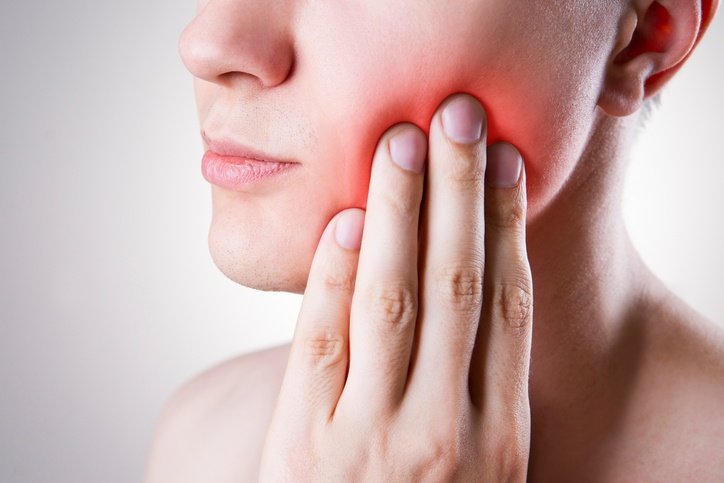
What Does Tooth Sensitivity Feel Like?
People describe tooth sensitivity in different ways.
It may feel like:
- A sharp pain when drinking something cold.
- Discomfort with hot foods or drinks.
- Pain when eating sweets.
- Sensitivity while brushing.
- A quick “electric shock” sensation.
- Pain in one tooth or several teeth.
Sensitivity may come and go, or it may gradually become more noticeable over time.
1. Gum Recession
One of the most common causes of tooth sensitivity is gum recession.
As the gums pull away from the teeth, they expose the root surface. Unlike the crown of the tooth, the root is not protected by enamel. Instead, it is covered by cementum, which wears away much more easily.
Once the root becomes exposed, temperature changes and certain foods can stimulate tiny channels within the dentin that communicate with the nerve inside the tooth, causing sensitivity.
Gum recession may occur because of:
- Aggressive brushing
- Gum disease
- Teeth grinding
- Aging
- Orthodontic treatment in some cases
2. Acidic Foods and Drinks
Frequent exposure to acid gradually softens and wears away enamel.
Common sources include:
- Soft drinks
- Energy drinks
- Sports drinks
- Citrus fruits
- Lemon water
- Vinegar-based drinks
- Wine
As enamel becomes thinner, the dentin underneath becomes more exposed, increasing sensitivity.
Drinking water after acidic beverages and limiting frequent sipping can help reduce enamel erosion.
3. Teeth Grinding (Bruxism)
Grinding or clenching your teeth places tremendous pressure on your enamel.
Over time, this pressure can wear away tooth structure, create tiny cracks, and expose sensitive dentin.
Many people grind their teeth while sleeping without realizing it.
Signs include:
- Morning jaw pain
- Headaches
- Flattened teeth
- Chipped teeth
- Tooth sensitivity
A custom night guard may help protect your teeth if grinding is the cause.
4. Brushing Too Hard
Many people believe brushing harder cleans better.
It doesn’t.
Using excessive force or a hard-bristled toothbrush can gradually wear away enamel near the gumline and contribute to gum recession.
Instead:
- Use a soft-bristled toothbrush.
- Brush gently using small circular motions.
- Let the bristles do the work.
5. Teeth Whitening
Professional and over-the-counter whitening products commonly cause temporary sensitivity.
This happens because whitening gel penetrates the tooth to break down stain molecules, temporarily affecting the nerve inside the tooth.
Fortunately, this type of sensitivity usually improves within a few days after treatment ends.
Using a toothpaste designed for sensitive teeth before and during whitening can often help reduce discomfort.
6. Recent Dental Cleaning
Some patients notice increased sensitivity after a professional cleaning.
This is usually temporary.
Removing plaque and tartar exposes clean tooth surfaces that may have been covered for months or even years.
The sensitivity generally resolves within a few days.
Keeping up with regular cleanings often makes future appointments more comfortable.
7. Braces or Clear Aligners
Orthodontic treatment works by gently moving teeth through bone.
As the teeth begin to move, it’s normal to experience temporary soreness or sensitivity.
This usually improves within a few days after each adjustment or new aligner tray.
8. New Fillings or Dental Crowns
It’s not unusual for a tooth to feel sensitive after receiving a filling or crown.
Mild sensitivity to temperature or pressure often improves as the tooth heals.
However, persistent or worsening sensitivity should be evaluated because it may indicate:
- A filling that needs adjustment.
- Bite interference.
- Deep decay.
- Nerve irritation.
9. Cavities or Cracked Teeth
Not all tooth sensitivity is harmless.
A cavity or cracked tooth may cause pain when:
- Drinking cold beverages.
- Eating sweets.
- Biting down.
- Releasing your bite.
Unlike temporary sensitivity, these problems usually require dental treatment.
The earlier they are diagnosed, the simpler treatment often is.
10. Gum Disease
Inflamed gums can make teeth feel sensitive.
As gum disease progresses, the gums may recede, exposing sensitive root surfaces.
You may also notice:
- Bleeding while brushing.
- Persistent bad breath.
- Swollen gums.
- Loose teeth.
Treating gum disease often helps reduce sensitivity over time.
When Should You See a Dentist?
Occasional mild sensitivity isn’t always an emergency.
However, you should schedule an examination if:
- Sensitivity lasts more than a few days.
- Pain becomes severe.
- One tooth is much more sensitive than the others.
- You notice swelling.
- A tooth is cracked or broken.
- Pain occurs when biting.
- You have spontaneous toothaches without eating or drinking.
Your dentist can determine whether the problem is caused by worn enamel, gum recession, decay, a cracked tooth, or another condition.
How Is Tooth Sensitivity Treated?
Treatment depends on the cause.
Your dentist may recommend:
- Fluoride varnish.
- Prescription-strength fluoride toothpaste.
- Desensitizing toothpaste containing potassium nitrate.
- Bonding exposed root surfaces.
- A custom night guard.
- Replacing worn fillings.
- Gum disease treatment.
- A dental crown or root canal if the nerve has been damaged.
There is no single treatment that works for every patient because sensitivity has many different causes.
How to Prevent Tooth Sensitivity
You can lower your risk by:
- Brushing gently with a soft toothbrush.
- Using fluoride toothpaste.
- Flossing every day.
- Limiting acidic drinks.
- Avoiding chewing ice.
- Wearing a night guard if you grind your teeth.
- Visiting your dentist regularly.
- Treating cavities and gum disease early.
Small changes in your daily routine can make a big difference over time.
How Bronte Road Family Dental Can Help
At Bronte Road Family Dental, we take the time to find the reason behind your tooth sensitivity rather than simply masking the symptoms.
After a thorough examination, we’ll recommend personalized treatment based on the underlying cause, whether it’s gum recession, worn enamel, tooth grinding, decay, or another dental concern.
Our goal is to help you eat, drink, and smile comfortably again.
Frequently Asked Questions
Why are my teeth suddenly sensitive?
Sudden sensitivity can result from gum recession, a cracked tooth, a new cavity, teeth whitening, or even recent dental treatment. A dental examination can determine the exact cause.
Can tooth sensitivity go away on its own?
Sometimes. Sensitivity after whitening or a dental cleaning often improves within a few days. Sensitivity caused by decay, fractures, or gum disease usually requires treatment.
Does sensitive toothpaste really work?
Yes. Toothpastes containing potassium nitrate and fluoride can help reduce sensitivity, but they often require consistent use for several weeks before noticeable improvement occurs.
Is tooth sensitivity a cavity?
Not always. While cavities are one possible cause, sensitivity can also result from gum recession, worn enamel, teeth grinding, cracked teeth, or recent dental work.
Don’t Ignore Sensitive Teeth
Tooth sensitivity is common, but it isn’t something you should simply learn to live with. In many cases, identifying and treating the underlying cause can provide lasting relief and help prevent more serious dental problems.
If hot, cold, sweet foods, or even brushing your teeth has become uncomfortable, the team at Bronte Road Family Dental in Oakville can help determine what’s causing the sensitivity and recommend the treatment that’s right for you.
References
- Canadian Dental Association – Oral Health Resources
- American Dental Association – Sensitive Teeth
- Canadian Academy of Restorative Dentistry and Prosthodontics – Dentin Hypersensitivity Resources