
A brighter smile can make you feel more confident when you talk, laugh, or take photos.
But if your teeth look darker, yellow, or stained, it does not always mean you are doing something wrong. Tooth colour naturally varies from person to person. Some people have teeth that look more yellow, grey, or off-white even when they brush and floss well.
Many patients in Oakville ask about teeth whitening because they want a fresher-looking smile without changing the shape of their teeth. Teeth whitening may help lighten many common surface stains, but the right option depends on your teeth, gums, dental work, sensitivity level, and goals.
At Bronte Road Family Dental in Oakville, patients can ask about whitening options during a dental visit and find out whether whitening is suitable for their smile.
What Causes Tooth Discoloration?
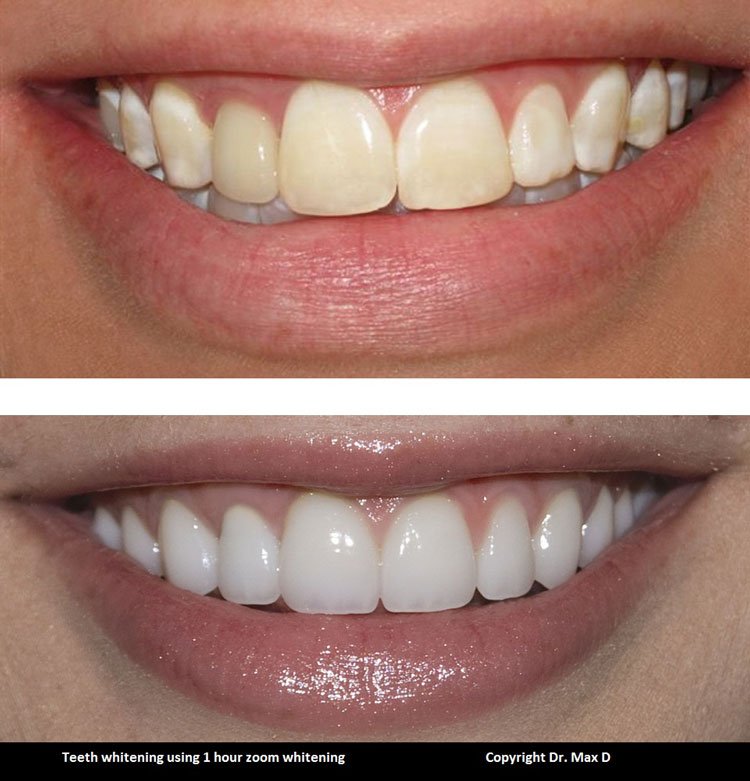
Teeth can change colour for many reasons.
Some teeth stains happen on the outside of the tooth. These are called surface stains. They often come from foods, drinks, or habits that contact your enamel every day.
Common causes of tooth staining include:
- Coffee and tea
- Red wine
- Cola and dark sodas
- Sports drinks or acidic drinks
- Smoking cigarettes or cigars
- Dark sauces
- Berries and strongly coloured foods
- Candies or foods with added colouring
Aging can also change tooth colour. Over time, enamel may become thinner, and the deeper layer underneath, called dentin, can show through more. Dentin naturally looks more yellow than enamel.
Some tooth colour changes may also come from medications, past dental trauma, old fillings, or changes inside the tooth. These stains may not respond the same way to whitening products, which is why a dental exam can help before you begin.
Are Teeth Whitening Products Safe?
Many whitening products can be safe when used correctly, but not every product is right for every person.
Over-the-counter whitening strips, whitening toothpaste, take-home trays, and in-office whitening treatments can all work differently. They also vary in strength, fit, and results.
Before choosing a whitening product, it is wise to look for trusted products and follow the instructions carefully. You can also ask your dentist which products may be appropriate for your teeth.
Whitening may not be ideal if you have:
- Untreated cavities
- Gum irritation or gum disease
- Cracked teeth
- Exposed roots
- Strong tooth sensitivity
- Crowns, veneers, bonding, or fillings on front teeth
Whitening products do not change the colour of crowns, veneers, fillings, or dental bonding. That matters if you have visible dental work in your smile. Your dentist can check this before treatment so you have realistic expectations.
How Do Teeth Whitening Products Work?
Most whitening products use peroxide-based ingredients. These may include hydrogen peroxide or carbamide peroxide.
These ingredients enter the outer layer of the tooth and help break down stain molecules. As the stains become lighter, the tooth can look brighter.
The strength of the whitening ingredient, the length of time it contacts the tooth, and the fit of the tray or strip can all affect the result.
Common whitening options include:
- In-office teeth whitening
- Custom take-home whitening trays
- Whitening strips
- Whitening toothpaste
Whitening toothpaste may help reduce surface stains, but it usually does not change the deeper colour of the tooth as much as peroxide-based whitening. Strips and trays may provide more noticeable results, depending on the product and your starting shade.
In-office whitening is supervised by a dental team and may be a good option for patients who want a more controlled whitening process.
What Is Zoom Teeth Whitening?
Zoom teeth whitening is an in-office whitening option that uses professional whitening gel. In some systems, a special light is used with the gel during treatment.
Patients often ask about Zoom because they want a brighter smile before a wedding, interview, vacation, graduation, or special event.
Zoom whitening may help lighten many external stains, but results vary. Your final shade depends on your natural tooth colour, the type of stain, enamel thickness, and how your teeth respond to whitening.
Your dentist can tell you whether Zoom whitening is a good option or whether another whitening method may make more sense.
Will Teeth Whitening Cause Sensitivity?
Some patients notice temporary tooth sensitivity after whitening. This can feel like a short zing or cold sensation.
Sensitivity is usually temporary, but it can be uncomfortable for some people. The risk may be higher if you already have sensitive teeth, gum recession, exposed roots, or enamel wear.
To reduce sensitivity, your dentist may suggest:
- Using a sensitivity toothpaste before whitening
- Choosing a lower-strength whitening option
- Spacing out whitening sessions
- Avoiding very cold drinks right after whitening
- Checking for cavities or gum issues first
If sensitivity lasts or feels strong, you should stop whitening and contact your dentist.
How Long Do Whitening Results Last?
Whitening results are not permanent.
Your teeth can stain again over time, especially if you often drink coffee, tea, red wine, or dark-coloured beverages. Smoking can also cause stains to return more quickly.
You can help maintain your results by:
- Brushing twice daily
- Flossing once daily
- Keeping up with dental cleanings
- Rinsing with water after coffee or tea
- Avoiding tobacco
- Using a straw for some dark or acidic drinks when appropriate
- Asking your dentist about touch-up whitening
Many patients need occasional touch-ups to maintain the shade they like.
When Should You Ask a Dentist Before Whitening?
You should ask a dentist before whitening if you have pain, sensitivity, gum bleeding, visible cavities, worn enamel, or dental work on your front teeth.
A dentist can check:
- Whether stains are on the surface or inside the tooth
- Whether cavities or cracks are present
- Whether your gums are healthy
- Whether whitening may affect sensitivity
- Whether crowns, veneers, fillings, or bonding will match after whitening
This step helps you avoid wasted time, uneven results, or irritation.
How Bronte Road Family Dental Can Help
Bronte Road Family Dental in Oakville offers whitening discussions as part of a complete dental care approach.
Your dental team can review your smile, talk about your goals, and explain which whitening options may be suitable. If whitening is not the best first step, your dentist can explain why and discuss other options.
For example, if the concern is a single dark tooth, old bonding, or a visible filling, whitening alone may not solve the issue. In some cases, treatment may involve replacing old dental work after whitening, but that depends on your situation.
The goal is to help you choose an option that fits your teeth, comfort level, and expectations.
Bottom Line
Teeth whitening can be a helpful way to brighten your smile, but it works best when you choose the right method for your teeth.
Stains from coffee, tea, wine, smoking, and aging may respond to whitening. Other colour changes may need a different approach.
If you are thinking about teeth whitening in Oakville, a dental visit can help you understand what is safe, what is realistic, and what option may work best for you.
External Sources
- Canadian Dental Association: Teeth whitening information
- Ontario Dental Association: Oral health and dental treatment guidance
- American Dental Association: Whitening and bleaching information
- Cleveland Clinic: Teeth whitening overview
FAQ
Is teeth whitening safe?
Teeth whitening may be safe when used correctly and when your teeth and gums are healthy. Your dentist can check for cavities, gum problems, sensitivity, or dental work before you begin.
Does whitening work on crowns or fillings?
No. Whitening products do not change the colour of crowns, veneers, fillings, or bonding. If you have dental work on your front teeth, ask your dentist before whitening.
What causes yellow teeth?
Yellow teeth may come from coffee, tea, wine, smoking, aging, enamel wear, or your natural tooth colour. Some teeth naturally look more yellow than others.
Is in-office whitening better than whitening strips?
In-office whitening is supervised by a dental team and may offer a more controlled process. Whitening strips may also help with mild stains, but the fit, strength, and results can vary.
Will whitening make my teeth sensitive?
Whitening can cause temporary sensitivity for some people. If you already have sensitive teeth, tell your dentist before starting.
How long do teeth whitening results last?
Results vary. Coffee, tea, red wine, smoking, and dark foods can cause stains to return. Good home care and regular dental cleanings can help maintain your results.
Should I whiten my teeth before a big event?
You may want to ask your dentist several weeks before the event. This gives you time to manage sensitivity, plan touch-ups, and check whether old fillings or bonding may need attention.
Where can I ask about teeth whitening in Oakville?
You can ask Bronte Road Family Dental in Oakville about whitening options and whether your teeth are suitable for treatment.

1 thought on “Teeth Whitening FAQ for Patients in Oakville”
Comments are closed.