Why a Quick Dental Visit Can Prevent a Long Dental Problem
A dental visit can feel easy to delay.
You notice a small twinge. Your gums bleed once. Food gets stuck in the same spot. A filling feels a little rough. But nothing hurts badly, so you wait.
That wait can turn a small dental issue into a longer problem.
Many dental problems start quietly. A small cavity may not hurt. A cracked filling may not bother you at first. Gum inflammation can build slowly. Tartar can sit under the gumline while your teeth still feel fine.
At Bronte Road Family Dental in Oakville, we often explain it this way. A quick visit is not always about fixing something big. Sometimes it is about stopping something small from becoming big.
Small Dental Problems Often Start Without Pain
Pain is not the first sign of every dental problem.
In fact, pain often shows up after a problem has had time to grow.
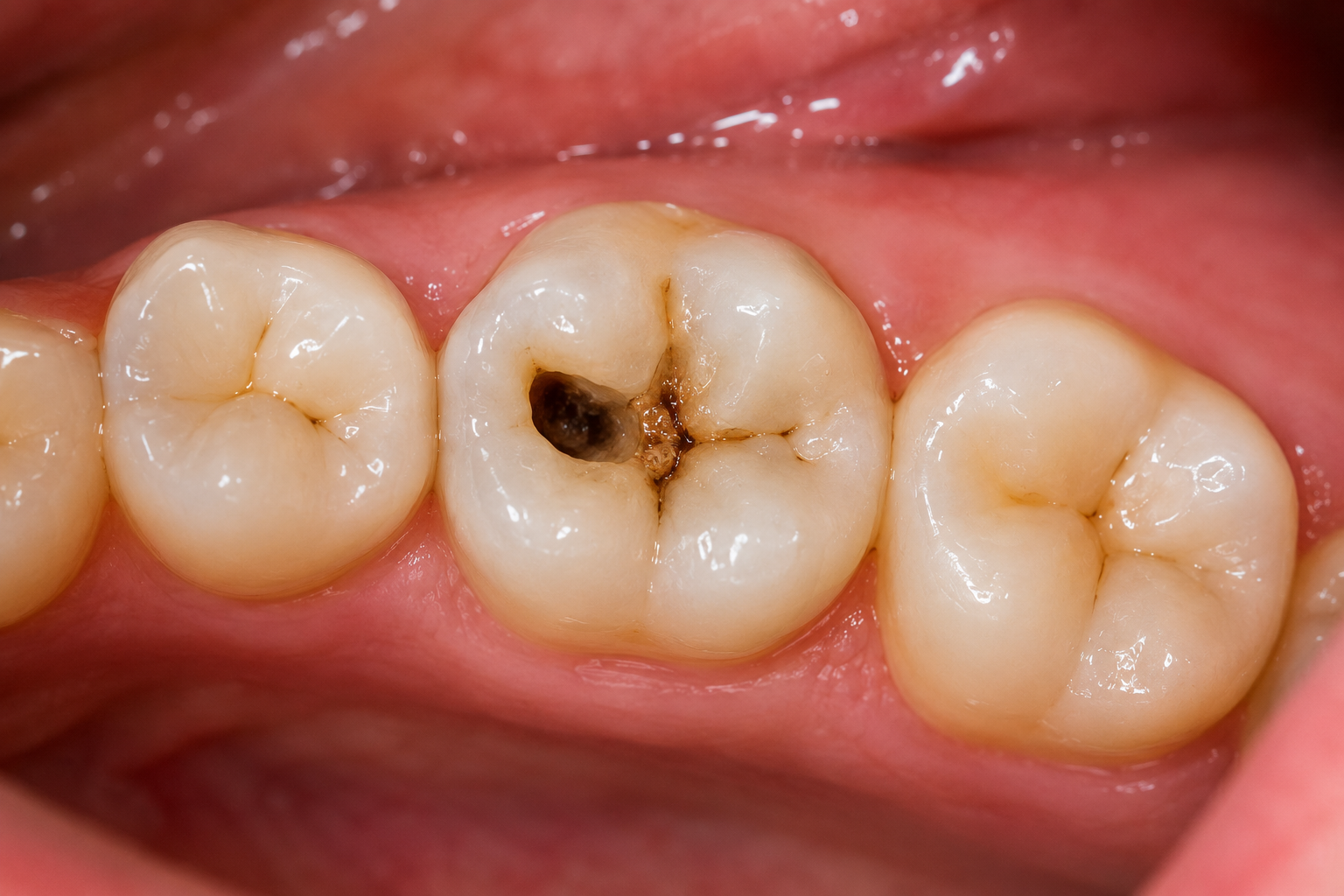
A cavity can start in the enamel before you feel anything. Gum inflammation can cause bleeding before soreness. A tiny crack can only hurt when you bite in one direction. A filling can leak slightly before it breaks.
Small warning signs include:
- A quick twinge with cold or sweet foods
- Bleeding when brushing or flossing
- Food getting stuck in one spot
- Bad breath that keeps coming back
- A bad taste in your mouth
- Sensitivity near the gumline
- A rough edge on a tooth or filling
- Floss catching or shredding in the same area
- A tooth that feels different when you bite
These signs do not always mean something serious. But they do mean your mouth is giving you information.
Waiting Can Hide the Pattern
One small symptom may seem random.
But if it keeps coming back in the same area, there may be a reason.
A quick dental visit can help find that reason before pain becomes part of the story.
A Small Cavity Is Easier to Manage Than a Big One
A cavity starts when acid weakens enamel.
At first, the area may be small. Your dentist may be able to monitor it, recommend fluoride support, or treat it with a smaller filling if needed.
If the cavity grows, treatment can become more involved.
A larger cavity may need:
- A bigger filling
- A crown
- Root canal treatment
- Extraction in severe cases
- Tooth replacement if the tooth cannot be saved
The Ontario Dental Association says regular checkups can catch cavities when they are small and easier to treat.
That is the point of early care.
It is usually easier to deal with a small problem before it reaches the deeper part of the tooth.
Gum Problems Can Be Quiet Too
Gum problems often start with small clues.
A little blood in the sink. Puffy gums. Bad breath. Tartar near the gumline. Sensitivity where the gum has pulled back.
These signs may not hurt at first.
But gum irritation can progress when plaque and tartar stay near the gums. Once plaque hardens into tartar, you cannot remove it with brushing and flossing at home.
A quick dental visit can help remove buildup, check gum measurements, and show you where your home routine may need support.
Watch for Gum Changes
Book a visit if you notice:
- Bleeding gums
- Puffy or red gums
- Bad breath that does not improve
- A bad taste
- Gum recession
- Sensitivity near the gumline
- Tartar buildup
- Loose teeth
- Food trapping near the gums
Healthy gums should not bleed often. They should not feel swollen or look irritated for long.
Quick Visits Can Prevent Emergency Visits
Dental emergencies often feel sudden.
But many start with warning signs that were easy to ignore.
A tooth that twinged for months can become a toothache. A rough filling can break. A small chip can become a larger crack. A gum problem can become swelling or pain.
Emergency visits can be stressful because they often happen at the worst time.
You may be busy. You may have travel plans. You may be trying to work, sleep, or care for your family. Pain makes everything harder.
A quick visit early can reduce the chance of:
- Bigger treatment
- More discomfort
- More appointments
- Missed work or school
- Higher costs
- Last-minute stress
- Trouble eating or sleeping
Not every emergency can be prevented. But many long dental problems start as small signs.
X-Rays Can Catch What You Cannot See
Some problems are hidden.
You may not see a cavity between teeth. You may not know decay is starting under an old filling. You may not feel changes around a tooth root or bone.
That is where dental X-rays can help when they are needed.
Your dentist may recommend X-rays to check:
- Cavities between teeth
- Decay around old fillings
- Bone changes
- Infections near roots
- Wisdom teeth
- Problems around crowns or bridges
- Areas that keep trapping food
X-rays are not needed at every visit for every person. Your dentist should recommend them based on your symptoms, history, risk, and time since your last images.
A Quick Visit Can Clarify What Is Actually Wrong
A small symptom can come from several causes.
Sensitivity could be enamel wear, gum recession, a cavity, a crack, or whitening irritation. Bleeding could come from brushing too hard, plaque buildup, tartar, or gum inflammation. A bad taste could come from food trapping, gum irritation, or decay.
Guessing can waste time.
A quick exam helps sort it out.
Your dentist can check:
- Teeth
- Gums
- Fillings
- Crowns
- Bite
- Gumline
- Areas between teeth
- Signs of grinding or clenching
- Areas that trap food
- Soft tissues
Sometimes the answer is simple. Sometimes the dentist recommends treatment. Sometimes the best plan is to monitor the area.
Either way, you know what you are dealing with.
Early Care Can Save More Than Money
People often think about cost first.
That is fair.
But delayed dental care can also cost time, comfort, sleep, focus, and peace of mind.
A small issue may take one short visit to assess. A bigger issue may need several appointments, urgent care, medication, time off, or more complex treatment.
The Canadian Dental Association says the goal of dental exam timing is to catch small problems early.
That is why early visits matter.
You are not just preventing treatment. You are preventing disruption.
When You Should Book Sooner
You do not need to run to the dentist for every tiny sensation.
But some signs should not be ignored.
Book a dental visit if you notice:
- Tooth pain
- Pain when biting
- Sensitivity in one tooth
- Sensitivity that lingers
- Sweet sensitivity
- Bleeding gums
- Swelling near a tooth or gum
- A bad taste that keeps returning
- Bad breath that keeps coming back
- Food stuck in the same spot
- Floss catching or shredding
- A loose filling or crown
- A chipped or cracked tooth
- A rough edge that irritates your tongue
Statistics Canada reported in 2024 that 26% of Canadians had oral pain or avoided eating certain foods because of problems with their mouth. Do not wait until a small symptom starts affecting your meals, sleep, or daily routine.
What You Can Do at Home While You Wait for Your Visit
Home care helps, but it does not replace a dental exam when a symptom keeps returning.
Still, you can support your mouth with simple steps:
- Brush twice a day with fluoride toothpaste
- Floss once a day
- Use a soft toothbrush
- Brush gently along the gumline
- Drink water after meals, coffee, juice, soda, or wine
- Avoid chewing on the sore side if biting hurts
- Avoid very sticky sweets if one tooth twinges
- Do not poke the area with sharp objects
- Do not keep forcing floss where it catches
- Book a visit if the symptom returns
The goal is to protect the area, not ignore it.
How Bronte Road Family Dental Can Help
If something feels different in your mouth, Bronte Road Family Dental in Oakville can help you check it early.
Your dental team can look for:
- Early cavities
- Cracks
- Worn fillings
- Loose crowns
- Gum inflammation
- Tartar buildup
- Gum recession
- Food traps
- Bite issues
- Dry mouth signs
- Problems around dental work
A quick visit can give you answers.
You may need a cleaning, a small filling, a repair, fluoride support, a nightguard, or simple home-care advice. You may also find out that the area is stable and just needs monitoring.
That peace of mind has value too.
The Bottom Line
A quick dental visit can prevent a long dental problem.
Small symptoms often show up before pain starts. A twinge, rough edge, bleeding gum, bad taste, or food trap may be the first clue that something needs attention.
Do not wait for a toothache to take your mouth seriously.
Book a visit when something keeps coming back or feels different. Brush well. Floss daily. Drink water. Keep up with cleanings and checkups.
Small problems are easier to manage when they are still small.
External Sources
Canadian Dental Association, Dental Care FAQs: https://www.cda-adc.ca/en/oral_health/faqs/dental_care_faqs.asp
Canadian Dental Association, Cavities: https://www.cda-adc.ca/en/oral_health/talk/complications/diseases/cavities.asp
Ontario Dental Association, Cavities and Tooth Decay: https://www.oda.ca/oral-health-basics/oral-conditions-diseases/cavities-tooth-decay/
Statistics Canada, Canadian Oral Health Survey Findings: https://www150.statcan.gc.ca/n1/daily-quotidien/241023/dq241023b-eng.htm
FAQ
Why should I book a dental visit if the pain is mild?
Mild pain can be an early sign of a cavity, crack, gum issue, or problem around old dental work. A quick visit can help catch the cause before it becomes more serious.
Can a dentist find problems before they hurt?
Yes. Dentists can find early cavities, gum inflammation, tartar buildup, worn fillings, cracks, and other changes before they cause major pain.
What symptoms should I not ignore?
Do not ignore tooth pain, lingering sensitivity, bleeding gums, swelling, food trapping, bad taste, bad breath, pain when biting, or a loose filling or crown.
Does early dental care cost less?
It often can. Small issues are usually simpler to treat than larger problems that need urgent or more complex care.
Can a small cavity become a big problem?
Yes. A small cavity can grow deeper over time. If it is not treated when needed, it can cause pain and may require more involved treatment.
When should I book a dental visit?
Book a visit when a symptom keeps coming back, affects one tooth, changes how you chew, or does not improve with normal brushing and flossing.