What Soda Can Do to Your Teeth That Water Never Will
Soda and water both look simple.
You drink them. You move on.
But your teeth do not treat them the same way.
Water helps rinse your mouth, supports saliva, and does not feed the bacteria that cause cavities. Soda does the opposite. It can expose your teeth to acid, sugar, colour, dryness, and repeated enamel stress.
That does not mean one soda will ruin your teeth. It means the habit matters.
If you sip soda often, drink it every day, or let it sit on your teeth for long periods, the effects can build over time.
At Bronte Road Family Dental in Oakville, we often explain it this way. Water gives your mouth a break. Soda gives your mouth work to do.
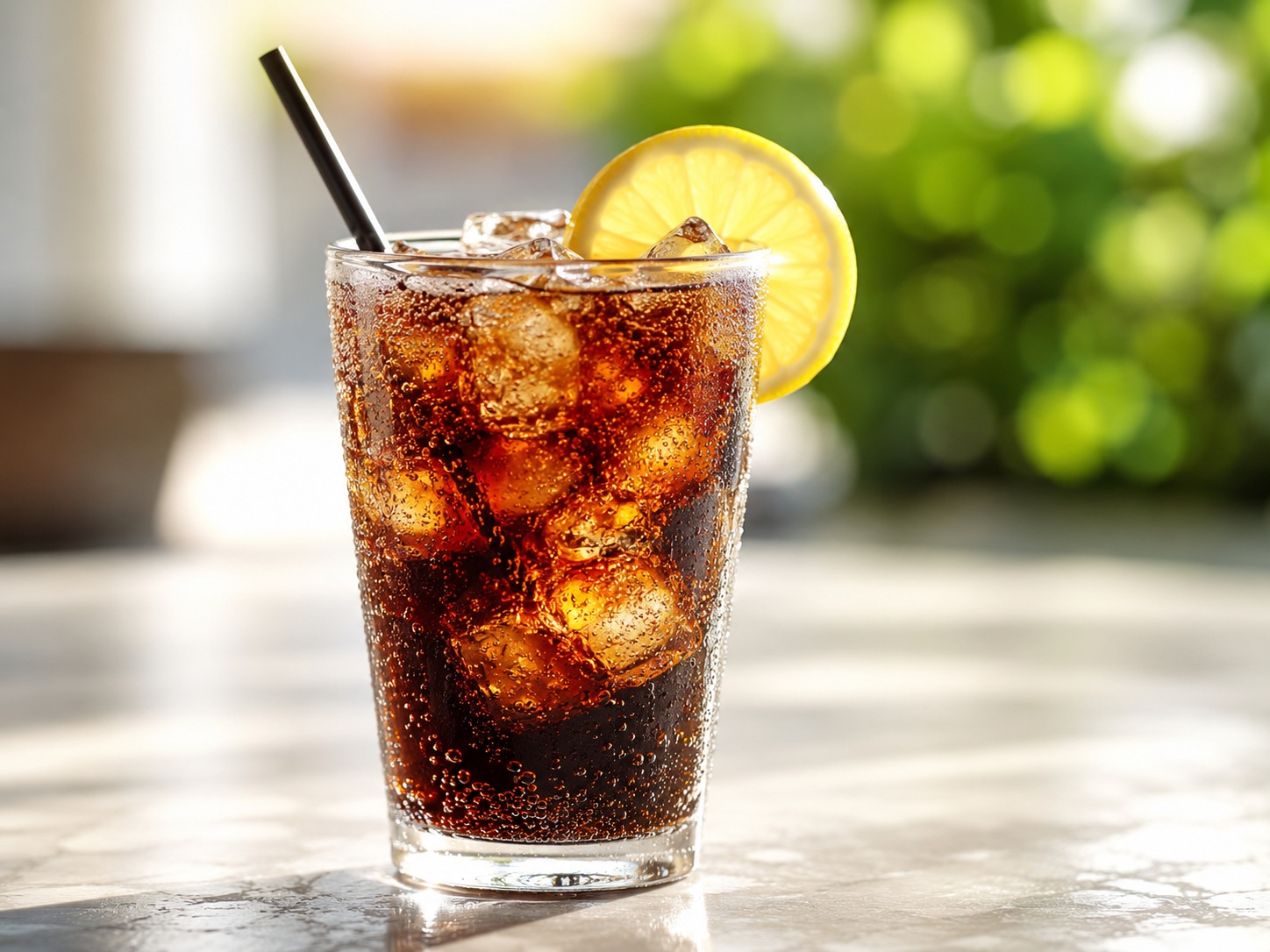
Soda Can Expose Your Teeth to Acid
Soda is acidic.
That matters because acid can soften the enamel surface of your teeth. Enamel is the hard outer layer that protects the softer tooth structure underneath.
When your teeth face acid often, enamel can slowly wear down. This is called dental erosion.
You may not notice it at first. Over time, enamel wear can lead to:
- Tooth sensitivity
- Duller-looking teeth
- Yellowing as enamel gets thinner
- Rough or thinner tooth edges
- Higher risk of chips or wear
- Teeth that feel more sensitive to cold drinks
The Canadian Dental Association says soft drinks, including sugar-free ones, contain acid that can erode tooth enamel.
That is why diet soda is not automatically safe for teeth. It may remove the sugar issue, but the acid can still matter.
Acid Exposure Adds Up
The longer soda touches your teeth, the more time acid has to work.
A soda with lunch is different from sipping soda all afternoon. Constant sipping keeps your teeth in repeated acid contact. Your saliva helps neutralize acid, but it needs time.
Water does not create that same acid challenge.
Water helps rinse your mouth instead.
Sugar in Soda Feeds Bacteria
Regular soda contains sugar.
The bacteria in your mouth use sugar as fuel. When bacteria break down sugar, they produce acids. Those acids can weaken enamel and raise your risk of cavities.
This is one of the biggest differences between soda and water.
Water does not feed cavity-causing bacteria. Soda can.
The risk goes up when soda becomes a daily habit, especially if you sip it often or drink it between meals.
Frequency Matters
It is not only how much soda you drink. It is how often your teeth are exposed.
For example:
- One soda finished with a meal gives your mouth time to recover
- One soda sipped slowly for two hours keeps acid and sugar around longer
- Several small sodas through the day create repeated exposure
- Soda before bed can leave sugar and acid in the mouth when saliva flow drops
Your teeth need recovery time between exposures. Water supports that recovery. Soda interrupts it.
Diet Soda Still Has a Dental Downside
Diet soda may have little or no sugar.
But it is still acidic.
Many diet sodas contain acids that create the sharp, tangy taste people like. Those acids can still soften enamel for a short time.
This is why switching from regular soda to diet soda may reduce sugar exposure, but it does not make the drink tooth-friendly.
Water is still the better everyday choice.
Sparkling Water Is Different, but Still Worth Watching
Plain sparkling water is usually a better choice than soda because it does not contain sugar. But some flavoured sparkling waters can be more acidic, especially citrus flavours.
That does not mean you need to avoid them completely. Just avoid treating them like plain water all day.
For everyday sipping, still water is the safest choice for your teeth.
Soda Can Make Stains More Noticeable
Dark soda can stain teeth over time.
Cola and other dark drinks contain colour compounds that can stick to tooth surfaces. Staining can build faster when plaque, tartar, rough enamel, or older dental work is present.
You may notice:
- Duller tooth colour
- Brown or yellow staining near the gumline
- Stains between teeth
- Darker edges around older fillings
- More visible stain around tartar buildup
Water does not stain teeth this way.
In fact, drinking water after dark drinks can help rinse away some residue before it sits too long.
Soda Can Make Sensitivity Worse
If your enamel wears down, your teeth may become more sensitive.
You may feel a sharp reaction to cold drinks, sweet foods, brushing, or even breathing in cold air.
Soda can make this worse because acid exposure can thin enamel over time. If you already have gum recession, enamel wear, grinding damage, or exposed root surfaces, soda may make sensitivity more noticeable.
Sensitivity Is a Warning Sign
Do not ignore sensitivity that keeps coming back.
Book a dental visit if you notice:
- Pain with cold drinks
- Sensitivity to sweets
- A sharp feeling when brushing
- Tooth edges that look thin or worn
- Sensitivity that lasts after the drink is gone
These signs can point to enamel wear, cavities, gum recession, cracked teeth, or other dental issues.
Soda Can Affect Dental Work
Soda does not only affect natural enamel.
It can also affect the areas around dental work.
Fillings, crowns, veneers, bonding, and bridges all need clean edges and healthy surrounding teeth. Soda can contribute to plaque, acid exposure, and stains around those margins.
Crowns and veneers may not decay, but the natural tooth around them still can. The edge where dental work meets the tooth can collect plaque if it is not cleaned well.
If you have dental work, your prevention routine matters even more.
What to Do If You Drink Soda
You do not need to panic over the occasional soda.
You just need habits that reduce the damage.
Try this:
- Drink soda with a meal instead of sipping it alone
- Finish it in one sitting instead of stretching it over hours
- Use a straw when practical
- Drink water afterward
- Avoid swishing soda around your mouth
- Do not drink soda right before bed
- Wait before brushing after soda
- Brush twice a day with fluoride toothpaste
- Floss once a day
- Keep up with regular dental cleanings
Do Not Brush Right Away
This part surprises people.
After soda, your enamel may be temporarily softened by acid. Brushing right away can be too rough on the enamel surface.
Rinse with water first.
Wait about 20 to 30 minutes before brushing.
Then brush gently with fluoride toothpaste.
Why Water Is Better for Your Mouth
Water is simple, but it does a lot for your oral health.
Water helps:
- Rinse away food particles
- Support saliva
- Reduce dry mouth
- Clear acids and sugars from the mouth
- Keep your mouth feeling fresher
- Protect your teeth between meals
Fluoridated tap water can also help protect teeth against cavities. That makes water one of the easiest daily habits for your smile.
Soda creates acid and sugar exposure.
Water helps clean up after it.
That is the difference.
How Bronte Road Family Dental Can Help
If you drink soda often and notice sensitivity, stains, or rough tooth edges, Bronte Road Family Dental in Oakville can help you understand what is happening.
Your dental team can check for:
- Enamel wear
- Cavities
- Tooth sensitivity
- Gum recession
- Plaque and tartar buildup
- Staining
- Problems around fillings, crowns, or bonding
A professional cleaning can remove tartar and many surface stains that brushing cannot remove at home.
Your dentist or hygienist can also help you choose a fluoride toothpaste, sensitivity toothpaste, dry mouth product, or prevention plan that fits your routine.
The goal is not to shame you for drinking soda.
The goal is to help you protect your teeth over time.
The Bottom Line
Soda can do things to your teeth that water never will.
It can expose enamel to acid. It can feed bacteria with sugar. It can stain teeth. It can make sensitivity worse. It can affect the areas around dental work.
Water does the opposite.
It rinses your mouth, supports saliva, and helps your teeth recover between meals.
You do not need a perfect diet to protect your smile. You need better daily habits.
Drink more water. Sip less soda. Rinse after acidic drinks. Wait before brushing. Brush with fluoride toothpaste. Floss daily. Book regular dental cleanings.
Your teeth can handle occasional treats better when your routine supports them.
External Sources
Canadian Dental Association, Oral Health, Good for Life: https://cda-adc.ca/goodforlife/
Canadian Dental Association, Nutrition and Oral Health: https://www.cda-adc.ca/en/oral_health/cfyt/dental_care/nutrition.asp
American Dental Association, Dental Erosion: https://www.ada.org/resources/ada-library/oral-health-topics/dental-erosion
FAQ
Is soda bad for your teeth?
Soda can be hard on teeth because it often contains acid and sugar. Acid can wear enamel, and sugar can feed bacteria that cause cavities.
Is diet soda better for teeth than regular soda?
Diet soda usually has less sugar or no sugar, but it is still acidic. That means it can still contribute to enamel erosion over time.
Should I brush my teeth right after drinking soda?
No. Rinse with water first and wait about 20 to 30 minutes before brushing. Soda is acidic, and brushing too soon can be rough on enamel.
Does water help after drinking soda?
Yes. Water helps rinse away acid, sugar, and residue. It also supports saliva, which helps your mouth recover.
Can soda cause tooth sensitivity?
Yes. Frequent soda exposure can contribute to enamel wear. Thinner enamel can make teeth more sensitive to cold, sweet foods, or brushing.
When should I see a dentist?
See a dentist if you notice tooth sensitivity, stains near the gumline, rough tooth edges, cavities, bad breath, or pain when eating or drinking.