Are Acidic Drinks Damaging Your Teeth? Here’s What You Need to Know
Most people know that sugar can cause cavities.
What many people don’t realize is that acid can damage teeth even if a drink contains little or no sugar.
Soft drinks, sports drinks, energy drinks, fruit juices, sparkling water with added acids, and even some healthy beverages can gradually wear away your tooth enamel.
At Bronte Road Family Dental in Oakville, we often see the effects of acid erosion long before patients notice a problem. Fortunately, understanding how acid affects your teeth can help you prevent permanent damage.
What Is Tooth Enamel?
Tooth enamel is the hard outer layer that protects your teeth.
Although enamel is the hardest substance in the human body, it is not indestructible.
Enamel is made primarily of minerals, including hydroxyapatite, which can slowly dissolve when exposed to acids.
Unlike bone, enamel cannot regenerate once it has been worn away.
What Is Acid Erosion?
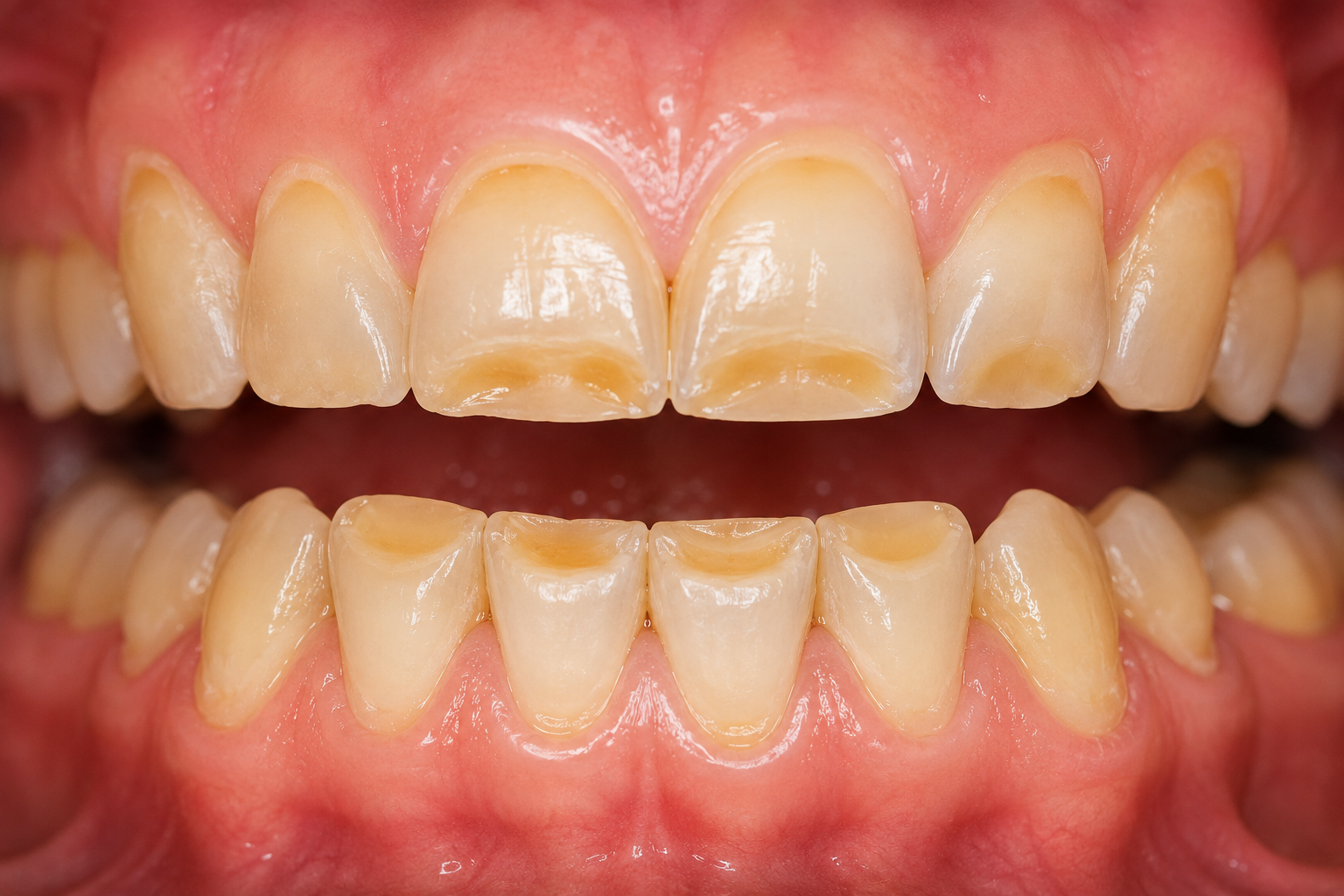
Acid erosion (also called dental erosion) is the gradual loss of tooth enamel caused by acids rather than bacteria.
Unlike cavities, which develop when bacteria produce acids from sugars, dental erosion occurs when acids come into direct contact with the tooth surface.
Over time, repeated acid exposure weakens enamel and permanently changes the shape and strength of teeth.
Which Drinks Are Most Acidic?
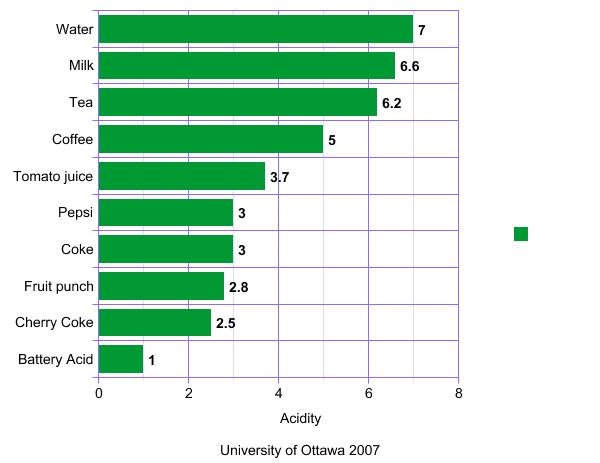
Many popular beverages are acidic enough to soften enamel.
Examples include:
- Soft drinks
- Sports drinks
- Energy drinks
- Fruit juices
- Lemon water
- Iced tea
- Wine
- Kombucha
Even sugar-free drinks can still be acidic enough to contribute to enamel erosion.
Water remains the best beverage for protecting your teeth.
Why Does Contact Time Matter?
One of the biggest factors isn’t just what you drink—it’s how you drink it.
Sipping acidic beverages slowly over several hours repeatedly exposes your teeth to acid.
Drinking the same beverage with a meal or finishing it in one sitting generally exposes your teeth to fewer acid attacks.
This is one reason dentists often recommend avoiding frequent sipping throughout the day.
Signs of Acid Erosion
Early enamel erosion may not cause any symptoms.
As more enamel is lost, you may notice:
- Tooth sensitivity
- Yellow-looking teeth
- Smooth or shiny enamel
- Rounded tooth edges
- Small chips
- Teeth becoming shorter over time
- Increased risk of cavities
Because enamel loss is permanent, early diagnosis is important.
Why Are Children at Higher Risk?
Children and teenagers often consume fruit juices, sports drinks, and soft drinks more frequently than adults.
Their developing teeth can be especially vulnerable to repeated acid exposure.
Parents can help reduce the risk by:
- Offering water between meals.
- Limiting prolonged sipping from bottles or sippy cups.
- Serving juice with meals instead of throughout the day.
- Encouraging good brushing habits.
How Can You Prevent Acid Erosion?
Fortunately, small daily habits can make a big difference.
Helpful strategies include:
- Drink water instead of acidic beverages whenever possible.
- Limit how often you consume acidic drinks.
- Finish acidic drinks in one sitting rather than sipping for hours.
- Use a straw when appropriate.
- Rinse with plain water after acidic foods or drinks.
- Wait at least 30 minutes before brushing after consuming acidic beverages.
- Chew sugar-free gum to stimulate saliva.
Saliva naturally helps neutralize acids and supports the remineralization of early enamel changes.
When Should You See a Dentist?
Schedule a dental examination if you notice:
- Increasing tooth sensitivity
- Yellow teeth despite good oral hygiene
- Teeth that appear thinner or shorter
- Frequent chipping
- Rough tooth edges
- Cavities developing more often
Early diagnosis allows your dentist to recommend preventive strategies before more enamel is lost.
How Bronte Road Family Dental Can Help
At Bronte Road Family Dental, prevention is always our first priority.
During your examination, we’ll look for early signs of enamel erosion, discuss possible dietary causes, and recommend personalized strategies to help protect your teeth.
If erosion has already occurred, we’ll explain treatment options that can help restore strength, comfort, and appearance while preventing further damage.
Frequently Asked Questions
Can enamel grow back?
No. Once enamel is physically lost, it does not grow back. However, very early mineral loss can often be strengthened through fluoride, saliva, and good oral hygiene before a cavity or significant erosion develops.
Is sparkling water bad for teeth?
Plain sparkling water is generally much less harmful than soft drinks, but flavored sparkling waters that contain added acids may contribute to enamel erosion if consumed frequently.
Are fruit juices healthier for teeth than pop?
Although fruit juices contain vitamins, many are naturally acidic and can still contribute to enamel erosion. Moderation and drinking them with meals are important.
Should I brush immediately after drinking orange juice?
No. Wait about 30 minutes before brushing because enamel is temporarily softened after acid exposure.
Does sugar-free pop protect my teeth?
Sugar-free soft drinks reduce the risk of cavities caused by sugar, but many remain acidic and can still contribute to enamel erosion.
Protecting Your Enamel Starts With Everyday Choices
Your teeth face acid challenges every day, but simple habits can greatly reduce the risk of permanent enamel loss.
Choosing water more often, limiting acidic drinks, avoiding prolonged sipping, and maintaining good oral hygiene can help keep your enamel healthy for years to come.
If you’re experiencing tooth sensitivity or are concerned about acid erosion, the team at Bronte Road Family Dental in Oakville can evaluate your teeth and recommend personalized strategies to help protect your smile.
References
- Canadian Dental Association – Diet and Oral Health
- American Dental Association – MouthHealthy: Tooth Erosion
- European Federation of Conservative Dentistry – Consensus Statement on Dental Erosion