Why Your Dentist Asks About Medications, Sleep, and Dry Mouth
Your dentist is not being nosy.
When they ask about your medications, sleep, and dry mouth, they are looking for clues.
Your mouth does not work separately from the rest of your body. Medications can change saliva. Sleep habits can affect mouth breathing. Dry mouth can raise your risk of cavities, bad breath, gum irritation, and plaque buildup.
You may think the appointment is only about teeth.
But your dental team needs the full picture.
At Bronte Road Family Dental in Oakville, we often explain it this way. Your teeth and gums tell part of the story. Your medications, sleep, and dry mouth can explain why certain problems keep showing up.
Why Your Dentist Asks About Medications
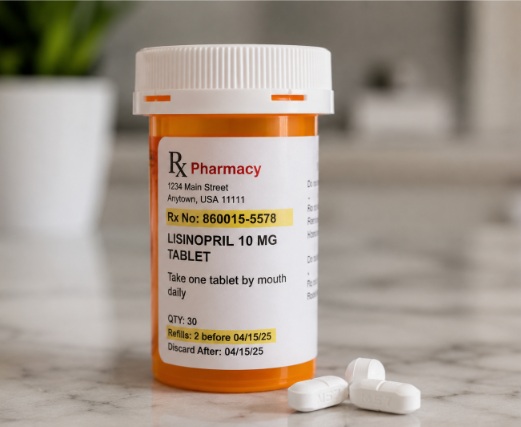
Many medications can affect your mouth.
Some can reduce saliva. Some can make your gums more sensitive. Some can increase bleeding risk. Some can change taste. Some can make dental treatment planning more careful.
This does not mean your medication is bad.
It means your dentist needs to know what you take so they can treat you safely and understand your oral health risks.
Your dentist may ask about:
- Prescription medications
- Over-the-counter medications
- Allergy pills
- Blood pressure medication
- Anxiety or depression medication
- Pain relievers
- Inhalers
- Supplements
- Recent medication changes
Do not stop or change a medication because of dry mouth or dental concerns unless your physician tells you to. Instead, tell your dentist what you are taking. Your dental team can help you protect your mouth while you continue your medical care.
Medication Changes Can Show Up in Your Mouth
A new medication can sometimes line up with new oral symptoms.
You may notice:
- Dry mouth
- Bad breath
- A sticky feeling
- More plaque buildup
- More cavities
- Burning or soreness
- Changes in taste
- Mouth sores
- Bleeding that seems different than usual
These symptoms do not always come from medication, but the timing matters. If something changed after starting a new medication, mention it at your visit.
Why Dry Mouth Matters So Much
Saliva protects your teeth and gums.
It helps rinse away food particles. It helps balance acids. It helps control bacteria. It keeps the mouth comfortable for talking, chewing, and swallowing.
When saliva drops, your mouth loses some of that protection.
Dry mouth can increase the risk of:
- Cavities
- Gum irritation
- Bad breath
- Plaque buildup
- Tooth sensitivity
- Mouth sores
- A coated tongue
- Trouble wearing dentures
- A bad taste in the mouth
Dry mouth is not just uncomfortable. It can change your cavity and gum risk.
Dry Mouth Can Feel Different for Different People
Some people know their mouth is dry right away.
Others do not.
Dry mouth can feel like:
- Needing water often
- Waking up with a dry mouth
- Sticky saliva
- Bad breath
- A coated tongue
- Trouble swallowing dry foods
- Burning or soreness
- Cracked lips
- A rough feeling on the teeth
- A bad taste that keeps coming back
If you have these symptoms often, tell your dentist or hygienist.
Why Sleep Comes Up at a Dental Visit
Sleep can affect your mouth.
If you sleep with your mouth open, breathe through your mouth, snore, or wake up with a dry mouth, your teeth and gums may be exposed to dryness for hours.
That matters because saliva flow already slows down during sleep. Mouth breathing can make the dryness feel worse.
Your dentist may ask about sleep because they notice signs such as:
- Dry mouth in the morning
- Bad morning breath
- Heavy plaque near the gumline
- Tooth grinding signs
- Jaw soreness
- Worn tooth edges
- Cracked teeth
- Gum irritation
- A scalloped tongue
- Headaches in the morning
These clues can help your dentist decide what questions to ask next.
Grinding and Clenching Can Also Happen During Sleep
Some people grind or clench their teeth at night without knowing it.
You may wake up with jaw tightness or headaches. Or you may notice nothing until your dentist sees tooth wear, small cracks, or chipped edges.
Grinding and clenching can contribute to:
- Sensitive teeth
- Worn enamel
- Cracked teeth
- Sore jaw muscles
- Headaches
- Damaged fillings or crowns
- Tooth pain when biting
If your dentist sees signs of grinding, they may discuss a nightguard or other ways to protect your teeth.
Dry Mouth Can Change Your Breath
Bad breath is not always about food.
Dry mouth can make breath worse because saliva is not washing away bacteria and debris as well.
The Ontario Dental Association notes that persistent bad breath can be a sign of gum disease or dry mouth.
That is why your dentist may ask about dryness if you mention bad breath.
You may notice your breath feels worse:
- In the morning
- After coffee
- After alcohol
- When you are dehydrated
- After sleeping with your mouth open
- During stressful periods
- After starting a new medication
- When you talk for long periods
A mint can cover the smell for a short time. It does not fix dry mouth, plaque, tongue coating, or gum inflammation.
Dry Mouth Can Raise Cavity Risk
Cavities often start when bacteria in plaque feed on sugars and starches. Those bacteria produce acid that weakens enamel.
Saliva helps protect against that process.
When your mouth is dry, acids and bacteria can sit longer. Food particles may not rinse away as well. Plaque can feel thicker or stickier.
This can make cavities more likely, especially near:
- The gumline
- Exposed root surfaces
- Between teeth
- Around old fillings
- Around crowns or bridges
- In deep grooves on back teeth
If your dentist sees new cavities and also hears that your mouth feels dry, that information matters.
It helps explain the pattern.
What You Can Do If Your Mouth Feels Dry
Dry mouth needs a practical plan.
Start with simple steps:
- Sip water through the day
- Drink water after coffee, tea, wine, or soda
- Chew sugar free gum if it is safe for you
- Avoid sipping sugary drinks for long periods
- Brush twice a day with fluoride toothpaste
- Floss once a day
- Clean your tongue
- Avoid alcohol-based mouthwash if it makes dryness worse
- Use dry mouth products if your dentist recommends them
- Tell your dentist about medication changes
Do not ignore dry mouth if it happens often. It can affect your teeth even when you brush every day.
Ask Before Adding Products
There are many dry mouth rinses, sprays, gels, and lozenges.
Some may help. Some may not be right for your needs.
Ask your dentist or hygienist which option fits your situation, especially if you have frequent cavities, gum problems, dental work, or sensitivity.
Why Your Dentist Needs an Updated Health History
Your dental team uses your health history to make better decisions.
It helps them understand your risk, choose safe treatment, and avoid missing important clues.
Tell your dentist about:
- New medications
- Medication dose changes
- New health conditions
- Pregnancy
- Surgeries
- Allergies
- Sleep problems
- Dry mouth
- Snoring or mouth breathing
- Jaw pain
- Grinding or clenching
- New supplements
You do not need to know whether each detail is dental-related. Let your dental team decide what matters.
When Dry Mouth or Sleep Clues Need Attention
Book a dental visit if you notice:
- Dry mouth most days
- Waking up with a very dry mouth
- Bad breath that keeps returning
- New cavities
- More plaque than usual
- Tooth sensitivity
- Burning or sore mouth
- A bad taste that does not go away
- Cracked lips or mouth sores
- Bleeding gums
- Jaw soreness in the morning
- Worn or chipped teeth
- Pain when biting
These signs may point to dry mouth, grinding, gum inflammation, cavities, medication effects, or other oral health concerns.
Statistics Canada reported in 2024 that 26% of Canadians had oral pain or avoided eating certain foods because of problems with their mouth. Small oral health changes can affect daily life when they are ignored.
How Bronte Road Family Dental Can Help
Bronte Road Family Dental in Oakville can help you understand how medications, sleep, and dry mouth may be affecting your oral health.
Your dental team can check for:
- Dry mouth signs
- Plaque buildup
- New cavities
- Gum inflammation
- Bad breath causes
- Tongue coating
- Tooth wear from grinding
- Cracked or chipped teeth
- Sensitivity
- Problems around fillings, crowns, bridges, or dentures
They can also suggest ways to protect your teeth, such as fluoride support, dry mouth products, changes to your cleaning routine, or a nightguard if grinding is an issue.
The goal is not to judge your health history.
The goal is to connect the clues.
The Bottom Line
Your dentist asks about medications, sleep, and dry mouth because those details affect your teeth and gums.
Medications can reduce saliva.
Sleep habits can dry your mouth or reveal grinding.
Dry mouth can raise your risk of cavities, bad breath, plaque buildup, and gum irritation.
Keep your dental team updated. Mention dry mouth, snoring, mouth breathing, morning jaw soreness, new medications, and changes in your health.
Your mouth is connected to the rest of you.
Your dental care should be too.
External Sources
Mayo Clinic, Dry Mouth Symptoms and Causes: https://www.mayoclinic.org/diseases-conditions/dry-mouth/symptoms-causes/syc-20356048
Mayo Clinic, Dry Mouth Diagnosis and Treatment: https://www.mayoclinic.org/diseases-conditions/dry-mouth/diagnosis-treatment/drc-20356052
Ontario Dental Association, Bad Breath: https://www.oda.ca/oral-health-basics/oral-conditions-diseases/bad-breath/
Statistics Canada, Canadian Oral Health Survey Findings: https://www150.statcan.gc.ca/n1/daily-quotidien/241023/dq241023b-eng.htm
FAQ
Why does my dentist ask what medications I take?
Your dentist asks because some medications can affect saliva, bleeding, taste, gum health, and treatment planning. An updated medication list helps your dental team care for you safely.
Can medications cause dry mouth?
Yes. Many prescription and over-the-counter medications can contribute to dry mouth. Tell your dentist if your mouth started feeling dry after a medication change.
Why does dry mouth cause cavities?
Saliva helps rinse away food particles and balance acids. When your mouth is dry, plaque and acid can sit longer on teeth, which can raise cavity risk.
Why does my mouth feel dry when I wake up?
Morning dry mouth can happen because saliva slows during sleep. It may feel worse if you breathe through your mouth, snore, take certain medications, or sleep with your mouth open.
Can sleep problems affect teeth?
Yes. Mouth breathing, dry mouth, grinding, and clenching can all affect your teeth and gums. Your dentist may notice signs of these during an exam.
When should I see a dentist for dry mouth?
See a dentist if dry mouth happens often, you wake up dry most mornings, bad breath keeps returning, cavities increase, or your mouth feels sore, sticky, or uncomfortable.