
A Split Second Can Change a Smile: What to Do After a Sports Dental Injury
Whether you’re playing hockey, basketball, soccer, baseball, or another sport, accidents can happen when you least expect them.
A collision with another player, an elbow, a stick, or a ball can result in chipped teeth, knocked-out teeth, cuts to the lips, or jaw injuries. Knowing what to do in those first few minutes can make a significant difference in saving a tooth.
At Bronte Road Family Dental in Oakville, we treat sports-related dental injuries and help athletes of all ages protect their smiles through prevention and prompt care.
How Common Are Sports Dental Injuries?
Sports are one of the leading causes of dental injuries in children, teenagers, and young adults.
Common sports associated with dental injuries include:
- Hockey
- Basketball
- Soccer
- Baseball
- Softball
- Rugby
- Lacrosse
- Martial arts
- Wrestling
- Skateboarding
- Mountain biking
Even sports that are considered non-contact can result in unexpected falls or impacts to the face.
Common Dental Injuries During Sports
Sports injuries may involve:
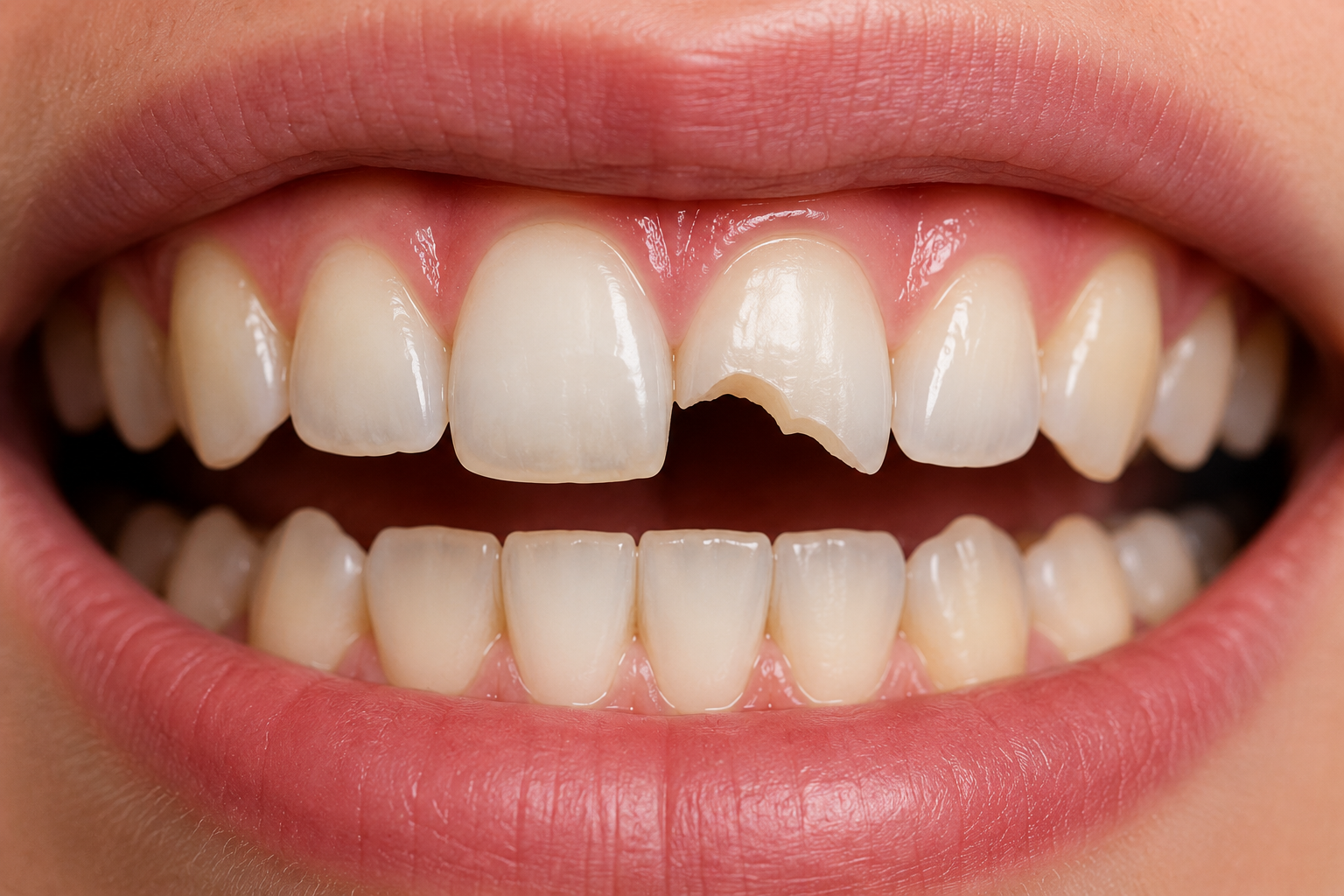
- Chipped teeth
- Broken teeth
- Knocked-out teeth
- Loose teeth
- Cuts to the lips, cheeks, or tongue
- Jaw injuries
- Fractured dental restorations, such as crowns or veneers
The upper front teeth are injured most often because of their position in the mouth.
What Should You Do If a Tooth Is Knocked Out?
A knocked-out permanent tooth is a true dental emergency.
Act quickly:
- Find the tooth.
- Hold it by the crown (the chewing surface), not the root.
- If dirty, gently rinse it with milk or clean water for a few seconds.
- If possible, carefully place the tooth back into the socket.
- If this isn’t possible, keep the tooth in cold milk or a tooth preservation solution.
- Contact a dentist immediately.
The sooner the tooth is treated, the greater the chance it can be successfully saved.
Do not attempt to reinsert a baby tooth. Contact your dentist for guidance instead.
What If a Tooth Is Chipped or Broken?
Even small fractures should be evaluated.
You should:
- Rinse your mouth with warm water.
- Save any broken pieces if possible.
- Apply a cold compress to reduce swelling.
- Avoid chewing on the injured side.
- Contact your dentist as soon as possible.
Small chips may only require bonding, while larger fractures could require crowns or other treatment.
How Can You Prevent Sports Dental Injuries?
Although accidents cannot always be avoided, the risk can often be reduced.
Helpful preventive measures include:
- Wearing a properly fitted sports mouthguard.
- Using helmets and other protective equipment when appropriate.
- Following sport-specific safety rules.
- Replacing damaged protective equipment.
- Having regular dental examinations.
Custom-made mouthguards provide the best fit and generally offer greater protection than many store-bought alternatives.
Why Is a Custom Mouthguard Better?
A custom sports mouthguard is designed specifically for your teeth.
Compared with many over-the-counter options, it usually:
- Fits more comfortably.
- Stays securely in place.
- Allows easier breathing and speaking.
- Provides better protection during impact.
Children who are still growing often require new mouthguards as their teeth develop.
When Should You See a Dentist?
Seek immediate dental care if you experience:
- A knocked-out permanent tooth.
- A loose tooth after an injury.
- A broken tooth.
- Significant bleeding from the mouth.
- Difficulty biting normally.
- Jaw pain following trauma.
- Facial swelling.
Prompt treatment can often improve the chances of saving an injured tooth and may reduce the need for more extensive treatment later.
How Bronte Road Family Dental Can Help
At Bronte Road Family Dental, we believe prevention is the best treatment whenever possible.
We provide custom sports mouthguards for athletes of all ages and evaluate dental injuries as quickly as possible when accidents occur. Whether you’ve chipped a tooth during a game or want to protect your child’s smile before the next season begins, our team is here to help.
Frequently Asked Questions
Which sports have the highest risk of dental injuries?
Hockey, basketball, rugby, lacrosse, martial arts, baseball, and soccer are among the sports most commonly associated with dental trauma, although injuries can occur during almost any physical activity.
Should children wear mouthguards?
Yes. Children who participate in sports with a risk of facial injury should wear an appropriately fitted mouthguard.
Can a knocked-out permanent tooth be saved?
Sometimes. The sooner a dentist can treat the tooth, the greater the chance it can be successfully replanted.
Are store-bought mouthguards good enough?
Store-bought mouthguards offer some protection, but custom-made mouthguards generally fit better, feel more comfortable, and provide superior protection.
What should I do if my child chips a tooth?
Contact your dentist as soon as possible. Even small chips should be examined to make sure the tooth has not been damaged internally.
Protecting Your Smile Is Part of Playing Safe
Sports offer tremendous physical and social benefits, but they also carry a risk of dental injuries. Wearing appropriate protective equipment and knowing what to do if an accident occurs can help protect your smile for years to come.
If you or your child participates in sports and would like to learn more about preventing dental injuries, the team at Bronte Road Family Dental in Oakville is happy to help you choose the right protection and provide prompt care when injuries happen.
References
- American Dental Association – Mouthguards and Dental Emergencies
- Canadian Dental Association – Sports Mouthguards
- International Association of Dental Traumatology – Guidelines for the Management of Traumatic Dental Injuries