
Why an Old Filling Can Start Causing New Problems
A filling can last for many years.
But it does not last forever.
Even a filling that once felt perfect can start causing new problems over time. It may chip, loosen, leak at the edge, collect food, stain, or allow new decay to form around it. Sometimes you feel it right away. Other times, the problem stays quiet until the tooth becomes sensitive or painful.
At Bronte Road Family Dental in Oakville, we often explain it this way. A filling fixes a tooth at one point in time. It still needs to be checked as the tooth, bite, and filling age.
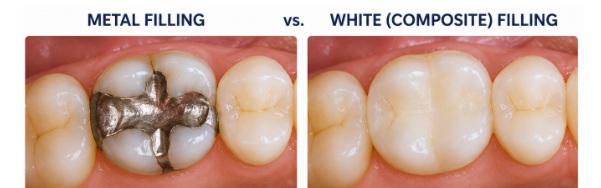
A Filling Is Strong, But It Is Not Permanent
A dental filling replaces tooth structure that was damaged by decay or a small fracture.
Once placed, it helps restore the tooth’s shape and function. But fillings deal with chewing, grinding, temperature changes, brushing, flossing, and daily wear.
Over time, a filling can change.
It may:
- Wear down
- Chip
- Crack
- Loosen
- Stain at the edges
- Pull away slightly from the tooth
- Become rough
- Trap food
- Stop matching the tooth as well
- Allow decay to start around it
That does not mean the original filling was done poorly.
It means dental work needs maintenance, just like the rest of your mouth.
Decay Can Start Around an Old Filling
A filling itself cannot get a cavity.
But the natural tooth around it still can.
If a tiny gap forms between the filling and the tooth, bacteria and food particles can collect there. Plaque can sit along the edge. Over time, decay can start around or under the filling.
This is sometimes called recurrent decay.
You may not see it in the mirror.
You may not feel it at first.
That is why dental exams and X-rays can matter. Your dentist can check the edges of old fillings and look for signs that decay is starting again.
A Loose Filling Can Feel Normal at First
A filling does not always fall out all at once.
Sometimes it starts to loosen slowly. You may not notice anything for a while. Then one day, food starts catching. Floss starts shredding. A tooth feels sensitive to cold. Or the filling feels rough when your tongue touches it.
Possible signs of a loose filling include:
- Food getting stuck in the same spot
- Floss catching or tearing
- A rough edge
- A bad taste from one area
- Sensitivity to cold or sweets
- A feeling that the bite has changed
- A small dark line around the filling
- Pain when biting
- A piece that chips off
If a filling feels loose, avoid chewing hard foods on that side and book a dental visit.
Do not wait until the whole filling comes out.
Old Fillings Can Crack or Chip
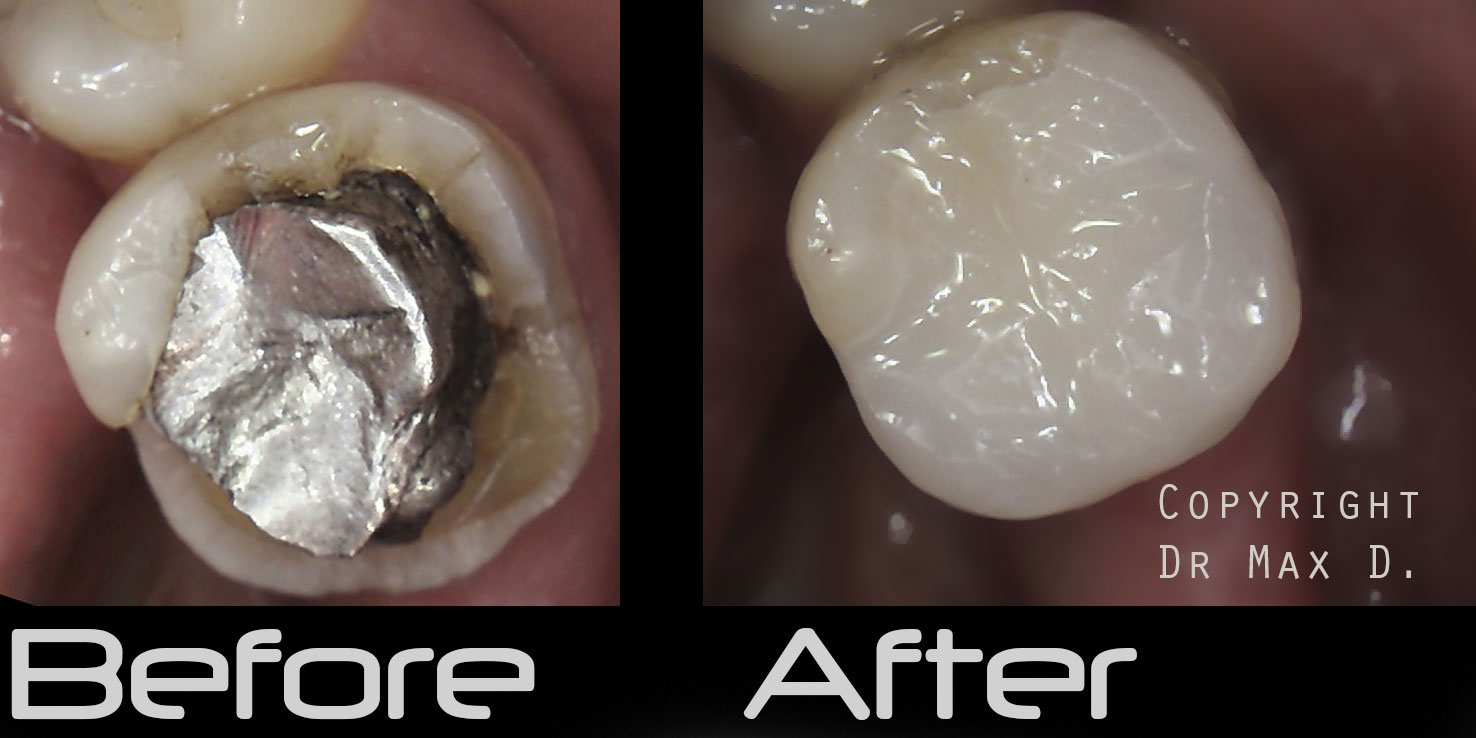
Fillings deal with pressure every day.
Back teeth take a lot of force when you chew. If you grind or clench, the pressure can be even higher. Over time, that force can create small cracks in the filling or tooth.
A cracked filling may feel:
- Sharp
- Rough
- Sensitive
- Different when biting
- Like something is stuck
- Fine most of the time, then painful with pressure
Sometimes only a tiny piece breaks.
Sometimes the filling stays in place but no longer seals the tooth properly.
Either way, a cracked filling should be checked.
Pain When Biting Can Be a Clue
Pain when biting is not something to ignore.
It may come from a cracked filling, a cracked tooth, decay under a filling, a high bite, or inflammation inside the tooth.
You may feel pain only when chewing certain foods. You may feel it when you release your bite. You may feel it only in one direction.
That pattern matters.
Tell your dentist:
- Which tooth hurts
- What food triggers it
- Whether pain happens when biting down or letting go
- Whether cold or sweet foods bother it
- Whether the tooth has an old filling
- Whether you grind or clench
- Whether the filling feels rough or high
Those details help your dentist find the cause.
Sensitivity Around a Filling Can Have Different Causes
A tooth with an old filling may become sensitive for several reasons.
Sensitivity may come from:
- Decay around the filling
- A gap at the filling edge
- A crack in the filling
- A crack in the tooth
- Gum recession near the tooth
- A high bite
- Grinding or clenching
- A worn filling surface
- Deep decay close to the nerve
Not every sensitivity problem means the tooth needs major treatment.
But sensitivity that keeps returning deserves a dental exam.
A quick twinge that happens once may not be urgent. Sensitivity in the same tooth again and again is different.
Food Trapping Can Point to a Filling Problem
Food getting stuck once in a while is normal.
Food getting stuck in the same area every day is a clue.
An old filling may have a rough edge, open contact, crack, or shape change that allows food to pack between teeth. Food traps can irritate the gums and make the area harder to clean.
Watch for:
- Food stuck after every meal
- Floss shredding near the filling
- Gum soreness between two teeth
- Bleeding in one spot
- Bad taste
- Bad breath from one area
- Pressure or tenderness after eating
Do not keep digging at the area with toothpicks or sharp objects.
Bring it up at your dental visit.
Stains Around Fillings Are Worth Checking
A dark line around an old filling does not always mean decay.
It can be staining.
But sometimes a dark edge can signal leakage, a gap, recurrent decay, or a filling that no longer blends well with the tooth.
This is especially common with older tooth-coloured fillings that have picked up stain over time.
Your dentist can check whether the area is:
- Surface stain
- Rough bonding
- A leaking edge
- A small chip
- Recurrent decay
- An old filling that needs polishing
- A filling that needs replacement
Do not assume every dark line is harmless.
Also do not assume every dark line means a big problem.
It needs to be checked.
Grinding and Clenching Can Shorten a Filling’s Life
If you grind or clench your teeth, fillings can wear faster.
This can happen during sleep or during the day when you are stressed, focused, or exercising.
Grinding and clenching can contribute to:
- Cracked fillings
- Chipped fillings
- Tooth cracks
- Worn edges
- Tooth sensitivity
- Jaw soreness
- Morning headaches
- Fillings that keep breaking
If your dentist sees wear patterns, they may discuss a nightguard or other ways to protect your teeth.
Replacing a filling without addressing heavy bite pressure may not solve the problem long term.
Bigger Fillings Need Closer Monitoring
The more tooth structure a filling replaces, the more the tooth may need monitoring.
A small filling in a strong tooth may last a long time. A large filling in a tooth with thin remaining walls may be more likely to crack or break.
Large old fillings can sometimes leave the tooth weaker over time.
Your dentist may check:
- How much natural tooth remains
- Whether the filling is cracked
- Whether the tooth walls are thin
- Whether there is decay around the filling
- Whether the bite is putting pressure on the tooth
- Whether a crown would protect the tooth better
A filling is not always the best replacement for an old filling.
Sometimes the tooth needs more coverage and support.
When an Old Filling Needs Repair or Replacement
Not every old filling needs to be replaced.
A filling that is stable, sealed, comfortable, and easy to clean may simply need monitoring.
Replacement may be recommended if the filling is:
- Loose
- Broken
- Cracked
- Leaking
- Painful
- Rough
- Trapping food
- Surrounded by decay
- Causing floss to shred
- No longer protecting the tooth
- Part of a tooth that is cracking
Your dentist should explain why replacement is needed.
Age alone is not always the reason.
Condition matters more than age.
What Happens If You Ignore a Failing Filling
A failing filling can seem minor at first.
But if decay grows under it or the tooth cracks further, the treatment can become more involved.
Ignoring a problem can lead to:
- A larger cavity
- Tooth pain
- A broken tooth
- A larger filling
- A crown
- Root canal treatment
- Infection
- Tooth loss in severe cases
This is why early checks matter.
A small filling repair is usually easier than treating a painful tooth later.
What to Do If a Filling Falls Out
If a filling falls out, call your dentist.
Even if the tooth does not hurt, the exposed area may be vulnerable. Food, bacteria, temperature, and bite pressure can irritate the tooth.
Until your visit:
- Avoid chewing on that side
- Keep the area clean
- Rinse gently with warm water
- Use floss carefully if food is stuck
- Avoid very hard or sticky foods
- Do not use super glue
- Call sooner if there is pain, swelling, or bleeding
A lost filling should not be ignored.
The tooth needs to be checked and restored properly.
How to Help Fillings Last Longer
You cannot make a filling last forever, but you can reduce problems.
Try this:
- Brush twice a day with fluoride toothpaste
- Floss once a day
- Keep regular dental checkups
- Avoid chewing ice
- Do not use teeth as tools
- Limit frequent sugary snacks and drinks
- Drink water often
- Wear a nightguard if recommended
- Book a visit if floss catches or food traps
- Do not ignore sensitivity around an old filling
Small habits protect both the filling and the natural tooth around it.
When to Book a Dental Visit
Book a dental visit if you notice:
- Pain around an old filling
- Sensitivity to cold or sweets
- Food stuck in the same spot
- Floss catching or shredding
- A rough filling edge
- A loose filling
- A broken filling
- A dark line around the filling
- Pain when biting
- A bad taste from one area
- Swelling near the tooth or gum
- A tooth that feels different when chewing
You do not need to wait for severe pain.
A filling problem is often easier to fix before the tooth becomes painful.
How Bronte Road Family Dental Can Help
Bronte Road Family Dental in Oakville can check old fillings and help you understand whether they are still healthy.
Your dental team can assess:
- Filling edges
- Cracks
- Leaks
- Recurrent decay
- Tooth sensitivity
- Bite pressure
- Food traps
- Gum irritation
- X-rays when needed
- Whether repair or replacement makes sense
Sometimes an old filling only needs polishing.
Sometimes it needs repair.
Sometimes it needs replacement.
Sometimes the tooth needs a crown or another option if the remaining tooth structure is weak.
The goal is not to replace every old filling.
The goal is to protect the tooth before a small problem becomes a larger one.
The Bottom Line
An old filling can start causing new problems because fillings wear, crack, loosen, stain, or leak over time.
The tooth around the filling can also develop new decay.
Watch for food trapping, floss catching, sensitivity, rough edges, dark lines, pain when biting, or a filling that feels different.
Do not wait for a toothache.
Regular dental checkups help catch filling problems while they are still easier to manage.
External Sources
Canadian Dental Association, Fillings: https://www.cda-adc.ca/en/oral_health/procedures/fillings/index.asp
Canadian Dental Association, Tooth-Coloured Fillings: https://www.cda-adc.ca/en/oral_health/procedures/fillings/tooth-coloured.asp
Ontario Dental Association, Cavities and Tooth Decay: https://www.oda.ca/oral-health-basics/oral-conditions-diseases/cavities-tooth-decay/
Cleveland Clinic, Dental Emergencies: https://my.clevelandclinic.org/health/articles/11368–dental-emergencies-what-to-do
FAQ
Can an old filling cause tooth pain years later?
Yes. An old filling can loosen, crack, leak, or allow new decay around it. Any of these can cause sensitivity or pain years after the filling was placed.
How do I know if a filling is failing?
Signs may include food trapping, floss catching, sensitivity, pain when biting, rough edges, a loose feeling, a dark line around the filling, or a piece breaking off.
Does every old filling need to be replaced?
No. A filling does not need replacement just because it is old. It may need replacement if it is loose, broken, leaking, painful, or surrounded by decay.
Can decay form under a filling?
Yes. Decay can start around or under a filling if bacteria enter through a gap, crack, or leaking edge.
What should I do if a filling falls out?
Call your dentist as soon as possible. Avoid chewing on that side, keep the area clean, and do not try to glue the filling back in.
Can grinding damage fillings?
Yes. Grinding and clenching can crack, chip, or wear fillings. If your dentist sees signs of grinding, they may recommend a nightguard.