
What a Cracked Tooth Can Feel Like Before It Becomes Obvious
A cracked tooth is not always easy to see.
You may look in the mirror and notice nothing. The tooth may look normal. It may not hurt all the time. You may even chew normally most of the day.
Then suddenly, one bite feels sharp.
Or cold water hits one spot.
Or a tooth feels strange, but only sometimes.
That is what makes cracked teeth tricky.
At Bronte Road Family Dental in Oakville, we often explain it this way. A cracked tooth can send small warning signs before it becomes obvious. The earlier you check it, the better the chance of protecting the tooth.
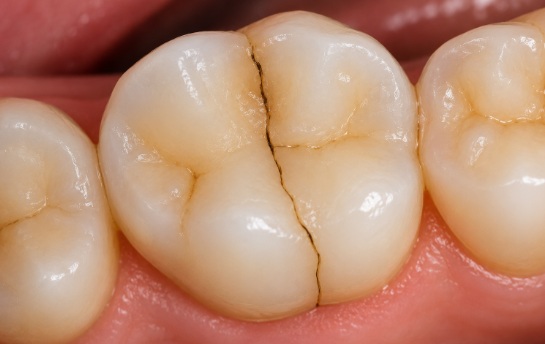
A Cracked Tooth Does Not Always Hurt Right Away
Many people expect a cracked tooth to feel dramatic.
Sometimes it does.
But sometimes the signs are subtle. A crack may start small. It may only open slightly when you bite. It may irritate the tooth nerve only when pressure hits a certain way.
That means symptoms can come and go.
You may feel:
- A quick sharp pain when biting
- Sensitivity to cold
- Sensitivity to sweet foods
- Pain when releasing your bite
- A dull ache after chewing
- A rough or strange feeling
- Pressure in one tooth
- Gum soreness near one area
- Nothing for days, then pain again
This on-and-off pattern is one reason cracked teeth can be hard to diagnose without a dental exam.
Bite Pain Is a Common Clue
Pain when biting can be one of the first signs.
It may happen with hard foods, crunchy foods, chewy foods, or when your bite lands in one exact spot.
You may feel fine while chewing soft foods, then get a sharp jolt from something like:
- A seed
- A nut
- Crusty bread
- A popcorn kernel
- A hard chip
- A tough piece of meat
- A chewy candy
- Ice
Sometimes the pain happens when you bite down.
Sometimes it happens when you release the bite.
That detail can matter, so tell your dentist exactly what you feel.
Cold Sensitivity Can Point to a Crack
Cold sensitivity does not always mean a cracked tooth.
It can come from gum recession, enamel wear, cavities, whitening products, worn fillings, or clenching.
But a crack is one possible cause.
Cold may bother a cracked tooth because the crack allows temperature changes to reach sensitive inner tooth structure more easily. The pain may feel sharp and quick. It may also linger if the nerve is irritated.
Pay attention if cold sensitivity:
- Happens mostly in one tooth
- Keeps returning in the same spot
- Feels sharper than usual
- Started after biting something hard
- Comes with pain when chewing
- Comes with a large old filling
- Feels worse over time
Sensitivity that keeps coming back is worth checking.
Sweet Sensitivity Can Also Be a Warning Sign
Sweet foods can trigger a cracked or damaged tooth.
A sweet twinge may happen if a crack, cavity, or leaking filling allows sugar to reach sensitive areas. This does not always mean the tooth is cracked, but it does mean something may be exposed or irritated.
Watch for sweet sensitivity with:
- Chocolate
- Candy
- Sweet coffee
- Juice
- Soda
- Dried fruit
- Sticky snacks
- Desserts
If one tooth reacts again and again, do not ignore it.
That pattern matters.
The Tooth May Feel Strange Before It Looks Broken
Some cracked teeth do not look broken at first.
Instead, the tooth may feel different.
You might notice:
- A rough edge
- A small line
- A feeling that food catches
- Floss shredding near one tooth
- A filling that feels uneven
- Pressure in the tooth
- A tooth that feels “not right”
- A bite that feels slightly changed
Your tongue may notice a change before your eyes do.
The tongue is very sensitive to small rough edges. If it keeps finding the same spot, book a visit.
Old Fillings Can Raise the Risk
Cracks often happen around large or older fillings.
A filling replaces tooth structure that was lost to decay or damage. If the filling is large, the remaining tooth walls may be thinner. Over years of chewing, grinding, and temperature changes, the tooth can weaken.
A crack may start near:
- A large filling
- A worn filling
- A cracked filling
- A filling with rough edges
- A tooth that has had root canal treatment
- A tooth that takes heavy bite pressure
A fractured cusp can sometimes form around a filling. This means part of the chewing surface cracks around the restored area.
You may not see it clearly, but you may feel bite pain or sensitivity.
Grinding and Clenching Can Create Tiny Cracks
Grinding and clenching put extra force on teeth.
This can happen during sleep or during the day when you are stressed, focused, exercising, or concentrating.
Over time, grinding can contribute to:
- Tiny cracks
- Small chips
- Worn edges
- Tooth sensitivity
- Cracked fillings
- Jaw soreness
- Morning headaches
- Teeth that look flatter or shorter
If you keep cracking teeth or fillings, the issue may not be bad luck.
It may be bite pressure.
Your dentist may check for grinding signs and discuss a nightguard if needed.
A Crack Can Hide Under the Gumline
Some cracks are more serious because they extend deeper.
A crack may travel down toward the gumline or root. You may not see it, and even an X-ray may not always show every crack clearly at first.
This is why dentists use more than one clue.
They may check:
- Your symptoms
- Bite pressure
- Tooth mobility
- Gum measurements
- Existing fillings
- Staining lines
- X-rays
- Cold testing
- Bite tests
- Transillumination, which uses light to help see cracks
A cracked tooth can require careful detective work.
Not Every Crack Needs the Same Treatment
A tiny enamel line is different from a deep crack.
Some hairline cracks, often called craze lines, may not hurt or need treatment. Other cracks can affect the tooth structure, nerve, or root.
Treatment depends on where the crack is, how deep it goes, and whether the tooth is painful or infected.
Possible options include:
- Monitoring
- Smoothing a rough edge
- Bonding
- A filling
- A crown
- Root canal treatment
- Extraction in severe cases
Your dentist should explain what they see and why they recommend a certain option.
The goal is to save the tooth when possible.
Why Waiting Can Make Things Harder
A crack can grow.
Chewing pressure can flex the tooth and make the crack move. Bacteria can enter the crack. The nerve can become irritated. The tooth can become infected or break further.
Waiting can turn a smaller problem into a longer one.
A cracked tooth may progress from:
- Occasional bite pain
- Cold sensitivity
- Lingering pain
- Constant ache
- Swelling
- A broken piece
- Infection
- Tooth loss in severe cases
Not every crack follows this path, but the risk is why early care matters.
A tooth that can be protected with a crown today may become harder to save later if the crack spreads.
When a Crack Becomes Urgent
Book a dental visit as soon as possible if you suspect a cracked tooth.
Call sooner if you have:
- Constant pain
- Severe pain
- Swelling
- Fever
- A bad taste
- Gum pimple near the tooth
- A loose tooth
- A broken piece
- Pain when biting
- Sensitivity that lingers
- A crack you can see
- A tooth that darkens after injury
These signs may point to deeper irritation or infection.
Do not wait for the tooth to split.
What to Do Before Your Dental Visit
You cannot fix a cracked tooth at home.
But you can reduce irritation while you wait for your appointment.
Try this:
- Avoid chewing on that side
- Avoid hard or sticky foods
- Avoid very cold or very hot triggers
- Keep the area clean
- Brush gently
- Floss carefully
- Rinse with warm salt water if the gum feels irritated
- Use over-the-counter pain relief only as directed on the label
- Call sooner if pain, swelling, or fever develops
Do not put aspirin or pain medicine directly on the gum or tooth. It can irritate or burn the tissue.
Do not use glue or home repair kits on the tooth.
How Dentists Check a Possible Cracked Tooth
A cracked tooth exam may take more than a quick look.
Your dentist may ask when the pain happens, how long it lasts, and what triggers it. These details help narrow down the cause.
They may check:
- The tooth surface
- Old fillings
- Bite marks
- Gum health
- Sensitivity
- X-rays
- Bite pressure
- Crack lines
- Tooth mobility
- Nearby teeth
Sometimes the symptoms are clearer than the crack itself.
That is why your description matters.
Tell your dentist:
- Which tooth feels different
- Whether pain happens on biting or release
- Whether cold triggers it
- Whether sweets trigger it
- Whether pain lingers
- Whether the tooth has an old filling
- Whether you grind or clench
- Whether you recently bit something hard
The more specific you are, the easier it is to find the problem.
How to Lower the Risk of Cracked Teeth
You cannot prevent every crack, but you can reduce the risk.
Try this:
- Do not chew ice
- Be careful with popcorn kernels
- Avoid biting hard candy
- Do not use teeth to open packages
- Wear a sports mouthguard for contact or fall-risk sports
- Ask about a nightguard if you grind or clench
- Replace failing old fillings when recommended
- Keep up with dental checkups
- Treat cavities before they weaken teeth
- Tell your dentist about bite pain early
Small habits protect tooth structure.
How Bronte Road Family Dental Can Help
Bronte Road Family Dental in Oakville can help assess a tooth that feels cracked, sensitive, or painful when biting.
Your dental team can check for:
- Cracks
- Worn fillings
- Broken fillings
- Large old restorations
- Bite pressure
- Grinding signs
- Tooth sensitivity
- Gum changes
- Infection signs
- Whether X-rays are needed
If a crack is found, your dentist can explain the options clearly.
Sometimes the tooth can be monitored.
Sometimes it needs bonding, a filling, or a crown.
Sometimes root canal treatment is needed if the nerve is involved.
In severe cases, a tooth may not be saveable, but early diagnosis gives you the best chance of avoiding that outcome.
The Bottom Line
A cracked tooth can feel strange before it looks obvious.
It may cause sharp pain when biting, sensitivity to cold or sweets, pain when releasing your bite, food trapping, roughness, or a tooth that simply feels different.
Do not wait until a piece breaks off.
If the same tooth keeps reacting, have it checked.
A cracked tooth is usually easier to manage before the crack spreads, the nerve becomes irritated, or the tooth breaks further.
External Sources
Cleveland Clinic, Cracked Tooth: https://my.clevelandclinic.org/health/diseases/21628-fractured-tooth-cracked-tooth
Ontario Dental Association, Tooth Sensitivity: https://www.oda.ca/oral-health-basics/oral-conditions-diseases/tooth-sensitivity/
Canadian Dental Association, Dental Safety and Emergencies: https://www.cda-adc.ca/en/oral_health/talk/complications/emergencies/
American Association of Endodontists, Tooth Pain: https://www.aae.org/patients/dental-symptoms/tooth-pain/
FAQ
What does a cracked tooth feel like?
A cracked tooth may feel like sharp pain when biting, cold sensitivity, sweet sensitivity, pain when releasing your bite, or a strange pressure in one tooth.
Can a cracked tooth hurt only sometimes?
Yes. A crack may only move or irritate the nerve when you bite in a certain way. This can make symptoms come and go.
Can a dentist see every cracked tooth on an X-ray?
Not always. Some cracks are hard to see. Your dentist may use symptoms, bite tests, visual checks, gum measurements, X-rays, and other tools to help diagnose the problem.
Is cold sensitivity a sign of a cracked tooth?
It can be. Cold sensitivity can also come from gum recession, enamel wear, decay, worn fillings, or clenching. Sensitivity in one tooth that keeps returning should be checked.
Can a cracked tooth heal on its own?
No. A cracked tooth does not heal like skin. Treatment depends on how deep the crack is and whether the tooth is painful, infected, or structurally weak.
When should I see a dentist for a possible cracked tooth?
Book a visit if you have bite pain, cold or sweet sensitivity in one tooth, pain when releasing your bite, a rough edge, swelling, or a tooth that feels different when chewing.