
What Stress Can Do to Your Teeth While You Sleep
Stress does not always stay in your mind.
Sometimes it shows up in your mouth.
You may go to bed feeling tense and wake up with a sore jaw, sensitive teeth, a headache, or a tooth that feels different when you bite. You may not remember doing anything. That is because grinding and clenching often happen during sleep.
At Bronte Road Family Dental in Oakville, we often explain it this way. Your teeth may be working hard at night, even when the rest of you is trying to rest.
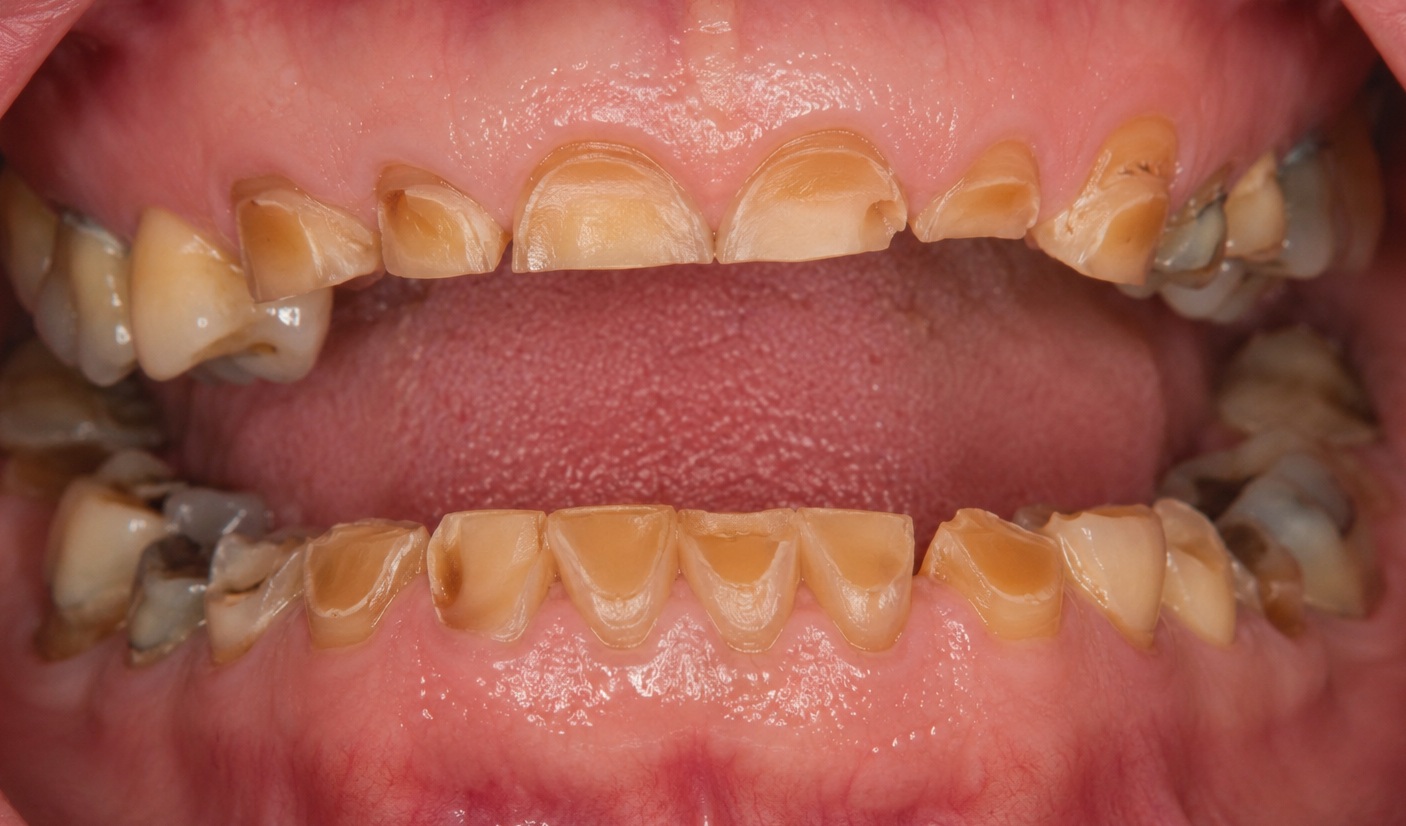
What Is Nighttime Grinding and Clenching?
Grinding and clenching are often called bruxism.
Grinding means the teeth rub against each other. Clenching means the jaw muscles tighten and hold the teeth together with force.
Some people do this during the day when stressed or focused. Others do it while sleeping and have no idea it is happening.
Nighttime bruxism can be hard to notice because you are not awake to stop it.
You may only notice the signs later, such as:
- Jaw soreness in the morning
- Morning headaches
- Tooth sensitivity
- Flat or worn tooth edges
- Small chips
- Cracked fillings
- Pain when biting
- Tight facial muscles
- A tired feeling in the jaw
- Teeth that feel “off” when you wake up
Sometimes a partner hears grinding at night before the patient knows it is happening.
Stress Can Tighten the Jaw Without You Realizing It
Stress affects the body in many ways.
Some people carry stress in their shoulders. Some carry it in their stomach. Some carry it in their jaw.
During the day, you may notice yourself clenching while driving, working, exercising, concentrating, or reading emails. At night, that tension can continue while you sleep.
Common stress-related patterns include:
- Clenching during busy work periods
- Grinding during sleep
- Jaw tightness after a stressful day
- Headaches during high-pressure weeks
- Chewing soreness without a clear cause
- Tooth sensitivity that comes and goes
Stress is not the only cause of bruxism, but it can be a major trigger.
Your Teeth Are Not Meant to Handle Constant Pressure
Teeth are strong.
But they are designed for chewing in short bursts, not hours of heavy clenching.
When you grind or clench at night, your teeth and jaw can face repeated pressure. Over time, that pressure can affect enamel, fillings, crowns, gums, jaw muscles, and the jaw joints.
Bruxism can contribute to:
- Worn enamel
- Chipped teeth
- Cracked teeth
- Broken fillings
- Broken crowns
- Tooth sensitivity
- Gumline wear
- Jaw soreness
- Headaches
- Muscle tightness
This does not always happen quickly.
The damage can build slowly until one day a tooth chips, a filling breaks, or the jaw starts feeling sore every morning.
Morning Jaw Soreness Is a Clue
A sore jaw in the morning can be a sign that your jaw muscles worked overnight.
You may feel tightness near the cheeks, temples, or jaw joints. You may also notice discomfort when opening wide, chewing breakfast, or yawning.
Jaw soreness may feel like:
- Muscle tightness
- Tenderness near the ears
- A tired jaw
- Clicking or popping
- Difficulty opening fully
- Pain while chewing
- Pressure in the temples
Jaw pain can have more than one cause. It can come from clenching, grinding, bite issues, joint problems, stress, or a mix of factors.
If it keeps happening, tell your dentist.
Stress Can Wear Teeth Down Slowly
Grinding can slowly flatten the tooth edges.
This can make teeth look shorter, older, or more uneven. It can also make the biting edges thinner and more likely to chip.
Signs of tooth wear include:
- Flat front teeth
- Shorter-looking teeth
- Shiny worn spots
- Small chips along the edges
- Rough edges
- Increased sensitivity
- Teeth that look thinner near the tips
- Fillings that wear or break
Many people do not notice the wear until their dentist points it out.
That is why regular dental exams matter. Your dentist may see grinding signs before you feel pain.
Clenching Can Crack Fillings and Crowns
Dental work has to handle daily chewing.
But clenching adds extra force.
Large fillings, older fillings, crowns, bonding, and veneers can all be affected by heavy bite pressure. A filling may crack. A crown may chip. Bonding may break. A tooth with a large restoration may develop a crack.
You may notice:
- Pain when biting
- A rough filling edge
- Food trapping
- Floss catching
- A chipped corner
- A crown that feels different
- A tooth that feels sore after chewing
If dental work keeps breaking, grinding or clenching may be part of the problem.
Replacing the broken piece is important, but protecting it from the same force matters too.
Tooth Sensitivity Can Come From Nighttime Pressure
Sensitivity does not always mean a cavity.
Grinding and clenching can make teeth sensitive because repeated pressure can stress the tooth structure, enamel, gumline, or existing dental work.
You may feel sensitivity to:
- Cold water
- Sweet foods
- Chewing pressure
- Brushing near the gumline
- Air
- Hard foods
If one tooth is sensitive, your dentist may check for a cavity, crack, gum recession, or old filling problem.
If several teeth feel sensitive, grinding or clenching may be part of the pattern.
Headaches Can Be Connected to Jaw Tension
Some people wake up with headaches and never think about their teeth.
But jaw muscles can contribute to morning discomfort, especially around the temples.
When the jaw muscles work hard at night, they can feel tired or sore in the morning. That tension can sometimes feel like a headache.
Possible clues include:
- Headaches on waking
- Tender temples
- Jaw soreness
- Tooth sensitivity
- Teeth that feel tight together
- Cheek muscle soreness
- A partner hearing grinding
Headaches can have many causes, so dental care is not the only answer. But if headaches come with jaw symptoms or tooth wear, mention it at your dental visit.
Stress Is Not the Only Cause
Stress is common, but it is not the only reason people grind or clench.
Bruxism may also be linked with:
- Sleep quality
- Sleep disorders
- Certain medications
- Alcohol or caffeine habits
- Smoking or vaping
- Bite issues
- Jaw joint problems
- Family history
- Daytime clenching habits
If you snore loudly, wake up gasping, feel very tired during the day, or suspect sleep apnea, tell your physician and dentist. Sleep-related breathing concerns need proper medical assessment.
Your dentist can help identify tooth and jaw signs, but some sleep issues need medical care too.
A Nightguard Can Help Protect Teeth
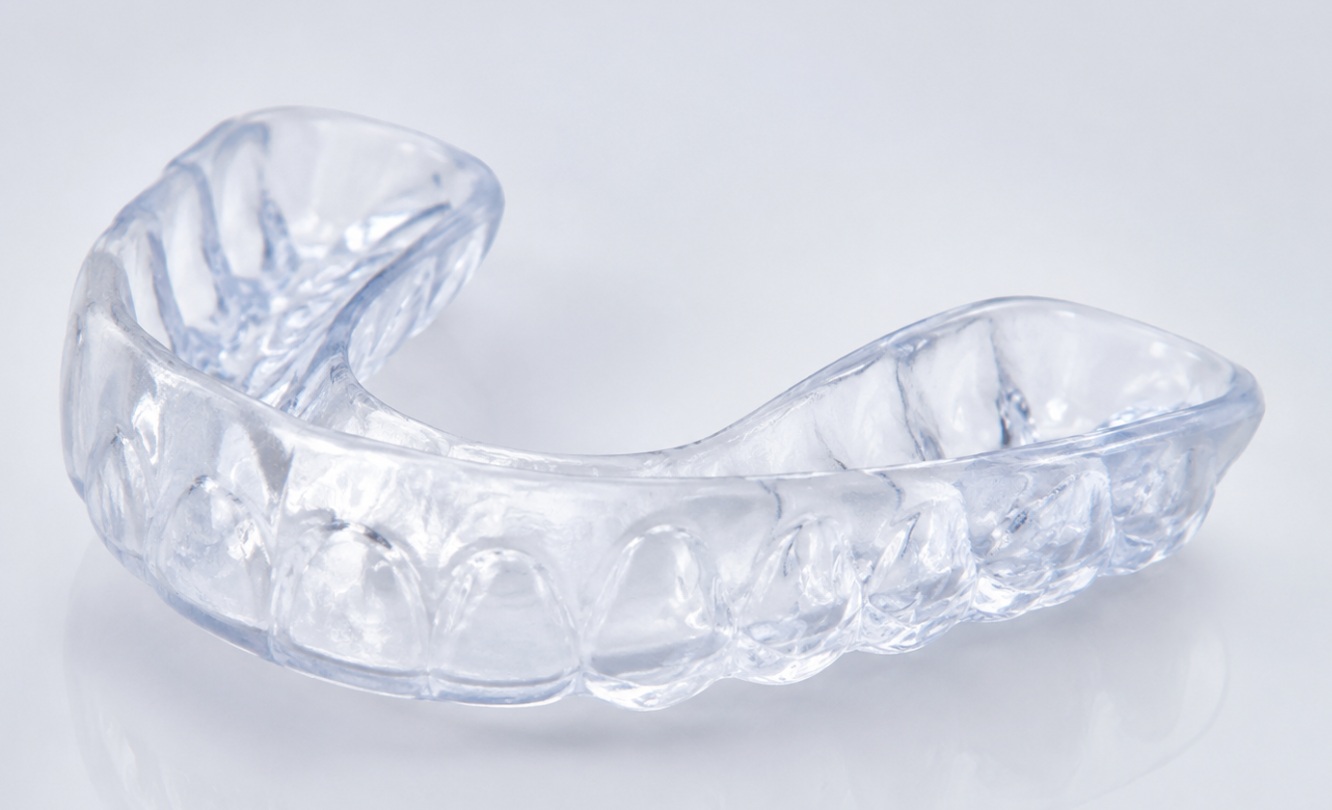
A nightguard does not remove stress from your life.
It does not guarantee that grinding stops.
But it can help protect the teeth from direct grinding forces while you sleep.
A custom nightguard is made to fit your teeth. It creates a protective barrier between the upper and lower teeth and can help reduce wear, chips, cracks, and stress on dental work.
Your dentist may discuss a nightguard if you have:
- Tooth wear
- Chipped teeth
- Cracked teeth
- Broken fillings
- Jaw soreness
- Morning headaches
- Grinding sounds during sleep
- Clenching signs
- Crowns, veneers, bonding, or implants that need protection
A store-bought guard may not fit well for every person. If it feels bulky, loose, or uncomfortable, you may not wear it. Ask your dentist what option fits your mouth and risk level.
Daytime Habits Matter Too
Nighttime grinding is hard to control because you are asleep.
But daytime clenching can sometimes be managed with awareness.
Try a simple check during the day:
Lips together.
Teeth apart.
Jaw relaxed.
Your teeth should not be touching all day. They usually only touch briefly when chewing or swallowing.
Helpful daytime habits include:
- Notice when you clench
- Relax your jaw during work
- Avoid chewing pens or fingernails
- Avoid chewing ice
- Take breaks during stressful tasks
- Keep your tongue resting gently
- Stretch your jaw gently if your dentist recommends it
- Manage stress where possible
- Limit habits that worsen clenching
Small awareness during the day can help reduce total jaw tension.
When to Book a Dental Visit
Book a dental visit if you notice:
- Jaw soreness in the morning
- Morning headaches
- Tooth sensitivity
- Pain when biting
- Small chips
- Flat tooth edges
- Cracked fillings
- Broken crowns
- Teeth that look shorter
- Jaw clicking or tightness
- A partner hears grinding
- A nightguard no longer fits
- You feel like your bite has changed
Do not wait until a tooth breaks.
Grinding and clenching can often be managed better when signs are caught early.
What Your Dentist May Check
If you mention stress, grinding, or jaw soreness, your dentist may check:
- Tooth wear
- Chipped edges
- Cracks
- Existing fillings
- Crowns and bonding
- Bite pressure
- Jaw muscles
- Jaw joint movement
- Gumline wear
- Tooth sensitivity
- Whether a nightguard may help
Your dental team may also ask about sleep, stress, medications, caffeine, and jaw symptoms.
These questions are not random.
They help connect the clues.
How Bronte Road Family Dental Can Help
Bronte Road Family Dental in Oakville can help assess signs of grinding and clenching.
Your dental team can check for:
- Worn enamel
- Chipped teeth
- Cracked teeth
- Broken fillings
- Crown damage
- Jaw soreness
- Bite pressure
- Tooth sensitivity
- Gumline wear
- Whether a custom nightguard is appropriate
If stress is affecting your teeth, your dentist can explain what is happening and how to protect your mouth.
The goal is not to blame stress.
The goal is to reduce damage and help your teeth hold up better over time.
The Bottom Line
Stress can affect your teeth while you sleep.
Nighttime grinding and clenching can cause tooth wear, chips, cracks, broken fillings, jaw soreness, morning headaches, and sensitivity.
You may not know it is happening until your dentist sees the signs or your jaw starts feeling sore.
If you wake up with jaw tightness, headaches, sensitive teeth, or keep breaking dental work, book a visit.
Your teeth may be telling you that stress is showing up at night.
External Sources
Canadian Dental Association, Jaw Clenching and Teeth Grinding: https://www.cda-adc.ca/en/oral_health/talk/complications/bruxism/
Ontario Dental Association, Teeth Grinding: https://www.oda.ca/oral-health-basics/oral-conditions-diseases/teeth-grinding-bruxism/
Mayo Clinic, Bruxism Symptoms and Causes: https://www.mayoclinic.org/diseases-conditions/bruxism/symptoms-causes/syc-20356095
Cleveland Clinic, Bruxism: https://my.clevelandclinic.org/health/diseases/10955-teeth-grinding-bruxism