Why Dry Mouth Can Make Cavities Easier to Get
Dry mouth can feel like a small annoyance.
You may feel thirsty more often. Your tongue may feel sticky. Your breath may feel stale. You may wake up with a dry mouth in the morning.
But dry mouth can affect more than comfort.
It can make cavities easier to get.
Saliva helps protect your teeth every day. When saliva flow drops, food particles, acids, and bacteria can sit longer on the teeth. Plaque can build faster. Enamel can become more vulnerable. Cavities can start in places that used to stay healthy.
At Bronte Road Family Dental in Oakville, we often explain it this way. Saliva is part of your mouth’s natural defence system. When your mouth is dry, your teeth lose some of that protection.
What Dry Mouth Means
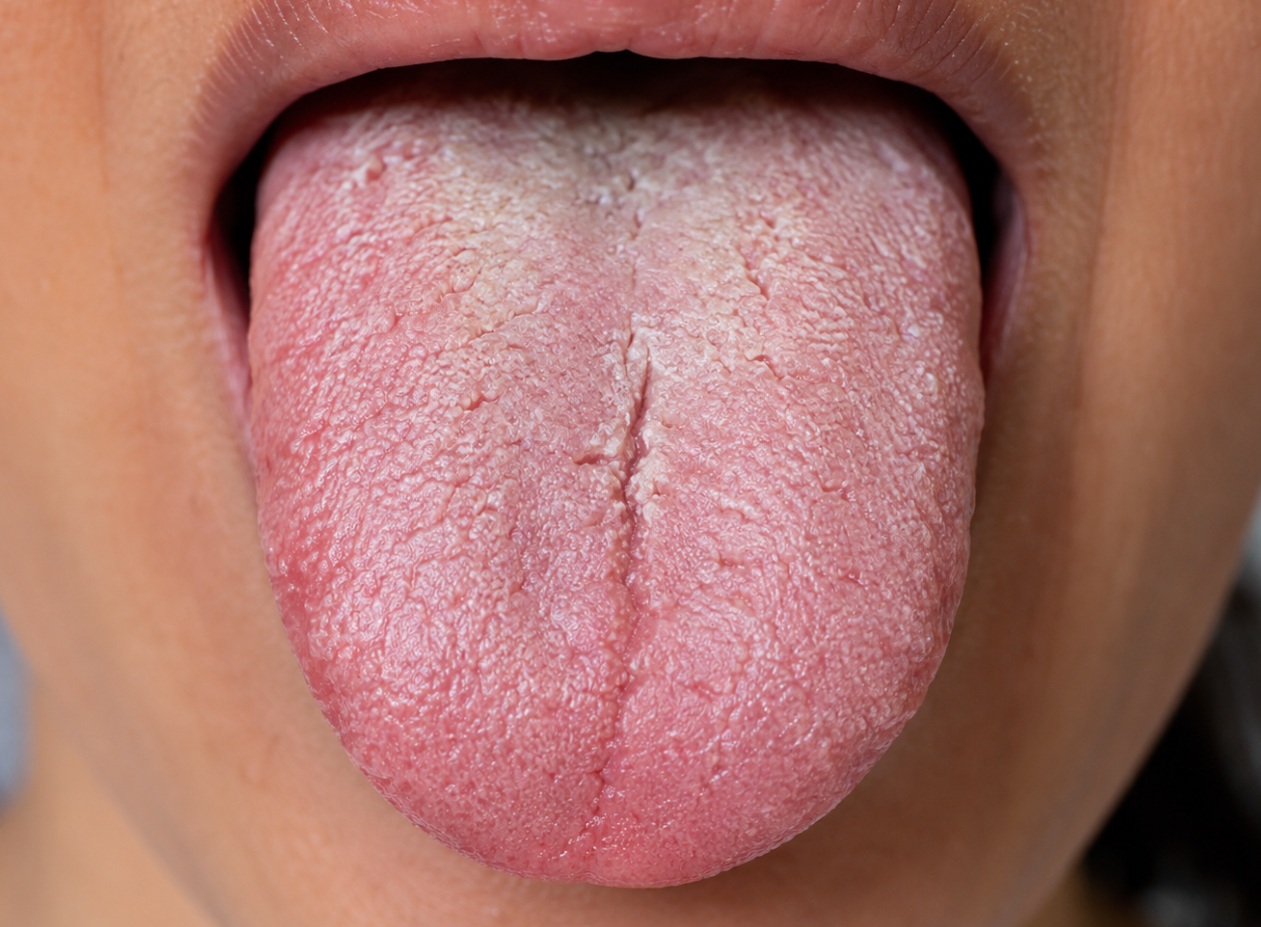
Dry mouth happens when your mouth does not have enough saliva to stay comfortably wet.
It may happen once in a while, such as after sleeping with your mouth open. It may also happen every day because of medications, dehydration, medical conditions, stress, smoking, vaping, caffeine, alcohol, or mouth breathing.
Dry mouth may feel like:
- A sticky mouth
- A dry tongue
- Bad breath
- A bad taste
- Needing water often
- Trouble swallowing dry foods
- Cracked lips
- A coated tongue
- Burning or soreness
- Waking up dry in the morning
Some people know right away that their mouth feels dry. Others only notice the effects, such as more cavities, more plaque, or breath that keeps feeling off.
Why Saliva Protects Your Teeth
Saliva does more than keep your mouth wet.
It helps rinse away food particles. It helps balance acids. It helps control bacteria. It also supports minerals that help enamel stay stronger.
When saliva flow is healthy, your mouth has a better chance of recovering after meals, snacks, coffee, juice, soda, or sweets.
When saliva is low, your teeth may spend more time exposed to acid and plaque.
That can raise the risk of:
- Cavities
- Gum irritation
- Bad breath
- Plaque buildup
- Tooth sensitivity
- Mouth sores
- A coated tongue
- Trouble wearing dentures
Dry mouth does not cause every cavity, but it can make the conditions for cavities easier.
Acid Can Sit Longer on Dry Teeth
Cavities start when acids weaken enamel.
Those acids can come from bacteria in plaque after you eat sugars or starches. They can also come from acidic drinks, such as soda, juice, sports drinks, energy drinks, wine, or sweet coffee drinks.
Saliva helps dilute and wash away acids.
With dry mouth, acid may sit on teeth longer.
That matters most if you often sip, snack, or graze throughout the day.
High-risk habits include:
- Sipping coffee with sugar for hours
- Drinking soda or juice between meals
- Eating sticky snacks often
- Having dry mouth at night
- Snacking after brushing
- Using mints or candies with sugar for dry mouth
- Not drinking enough water
Your teeth need breaks from acid and sugar.
A dry mouth makes those breaks less effective.
Plaque Can Build Faster
Plaque is a sticky film of bacteria that forms on teeth.
When your mouth is dry, plaque may feel thicker or stickier. Food debris may not rinse away as well. Bacteria can sit longer near the gumline, between teeth, and around old dental work.
You may notice:
- Teeth feeling fuzzy sooner
- More buildup near the gumline
- Bad breath returning quickly
- A coated tongue
- More tartar at cleanings
- Gums bleeding more easily
Brushing and flossing still matter, but dry mouth can make your routine work harder.
If plaque is building faster than usual, tell your dentist or hygienist.
Cavities Can Form Near the Gumline
Dry mouth can raise cavity risk in several areas.
One common area is near the gumline.
This matters because root surfaces may be exposed if gums have receded. Root surfaces are softer than enamel-covered tooth surfaces. They can decay more easily when plaque and acid sit there.
Dry mouth can also raise cavity risk around:
- Old fillings
- Crowns
- Bridges
- Dentures
- Orthodontic appliances
- Between teeth
- Back molars
- Exposed root surfaces
- Areas that trap food
If you suddenly get cavities after years of being stable, dry mouth may be part of the reason.
Medications Are a Common Cause
Many medications can contribute to dry mouth.
This does not mean you should stop taking them. It means your dental team should know what you take so they can help you protect your teeth.
Dry mouth may be linked with some medications used for:
- Allergies
- Blood pressure
- Anxiety
- Depression
- Pain
- Sleep
- Bladder issues
- Nausea
- Congestion
- Other medical conditions
Always update your dentist when your medication list changes.
A new medication may explain why your mouth suddenly feels drier or why cavities are showing up more often.
Sleep Can Make Dry Mouth Worse
Dry mouth often feels worse in the morning.
Saliva flow naturally slows during sleep. If you sleep with your mouth open, snore, breathe through your mouth, or wake up thirsty, your teeth may spend hours in a dry environment.
Morning dry mouth may show up with:
- Bad breath
- Sticky saliva
- Dry lips
- A coated tongue
- Sore throat
- Jaw soreness if you also clench or grind
- More plaque near the gumline
If you wake up dry most mornings, mention it at your dental visit. Your dentist may ask about sleep, medications, snoring, mouth breathing, or grinding signs.
Dry Mouth Can Make Breath Worse Too
Bad breath is not always about food.
Dry mouth can make breath worse because saliva is not rinsing the mouth as well. Bacteria and debris can sit on the tongue, between teeth, and near the gums.
A mint may cover the smell for a short time.
But if the mint contains sugar, it may make cavity risk worse when used often.
Better options may include:
- Drinking water
- Cleaning your tongue
- Brushing and flossing well
- Using sugar-free gum if appropriate
- Asking about dry mouth products
- Treating gum inflammation
- Checking for cavities or food traps
If bad breath keeps coming back, dry mouth may be one clue.
What Helps Lower Cavity Risk With Dry Mouth
Dry mouth needs a practical plan.
Start with simple steps:
- Sip water often
- Brush twice a day with fluoride toothpaste
- Floss once a day
- Clean your tongue
- Drink water after coffee, tea, wine, soda, or juice
- Avoid sipping sweet or acidic drinks for long periods
- Use sugar-free gum if it is safe for you
- Avoid sugary mints or candies for dry mouth
- Ask about fluoride rinses or gels
- Ask about dry mouth rinses, sprays, or gels
- Keep regular dental cleanings and exams
Fluoride can help strengthen enamel and reduce cavity risk. Your dentist may recommend stronger fluoride support if your mouth is very dry or if you are getting cavities often.
When to Ask Your Dentist About Dry Mouth
Do not ignore dry mouth if it happens often.
Book a dental visit if you notice:
- Dry mouth most days
- Waking up dry every morning
- New cavities
- More plaque than usual
- Bad breath that keeps returning
- Tooth sensitivity
- A sticky or coated feeling
- Burning or sore mouth
- Food sticking to your teeth
- Trouble swallowing dry foods
- Cracked lips
- A bad taste that does not go away
Dry mouth can come from many causes. Your dentist can help identify oral signs and suggest ways to protect your teeth. Your physician may also need to be involved if dry mouth is linked to medications or medical conditions.
How Bronte Road Family Dental Can Help
Bronte Road Family Dental in Oakville can help you understand how dry mouth may be affecting your cavity risk.
Your dental team can check for:
- Early cavities
- Gumline decay
- Root cavities
- Plaque buildup
- Tartar
- Gum inflammation
- Bad breath causes
- Dry tissue signs
- Coated tongue
- Problems around fillings, crowns, or bridges
- Whether fluoride support may help
Your dentist or hygienist can also review your routine and suggest tools that fit your mouth.
Sometimes small changes make a big difference.
More water.
Better fluoride support.
A different flossing tool.
Dry mouth products.
More frequent cleanings.
The goal is to protect your teeth before dry mouth turns into repeated cavities.
The Bottom Line
Dry mouth can make cavities easier to get because saliva helps protect your teeth.
When saliva flow drops, plaque, acid, and food particles can sit longer. Cavities may form more easily near the gumline, between teeth, around old fillings, or on exposed root surfaces.
Dry mouth can come from medications, dehydration, mouth breathing, sleep habits, stress, caffeine, alcohol, smoking, vaping, or medical conditions.
Do not wait until cavities keep showing up.
If your mouth often feels dry, tell your dentist.
External Sources
Mayo Clinic, Dry Mouth Symptoms and Causes: https://www.mayoclinic.org/diseases-conditions/dry-mouth/symptoms-causes/syc-20356048
Mayo Clinic, Dry Mouth Diagnosis and Treatment: https://www.mayoclinic.org/diseases-conditions/dry-mouth/diagnosis-treatment/drc-20356052
Ontario Dental Association, Dry Mouth: https://www.oda.ca/oral-health-basics/oral-conditions-diseases/dry-mouth/
Ontario Dental Association, Cavities and Tooth Decay: https://www.oda.ca/oral-health-basics/oral-conditions-diseases/cavities-tooth-decay/