Why Baby Teeth Matter More Than People Think
Baby teeth are easy to underestimate.
They are small. They fall out eventually. It is tempting to think they do not matter as much as adult teeth.
But they do.
Baby teeth help children chew, speak, smile, and build confidence. They also hold space for adult teeth. When baby teeth get cavities, hurt, or come out too early, children can have trouble eating, sleeping, learning, and developing healthy adult teeth.
At Bronte Road Family Dental in Oakville, we often explain it this way. Baby teeth are temporary, but their job is important.
Baby Teeth Help Kids Eat Properly
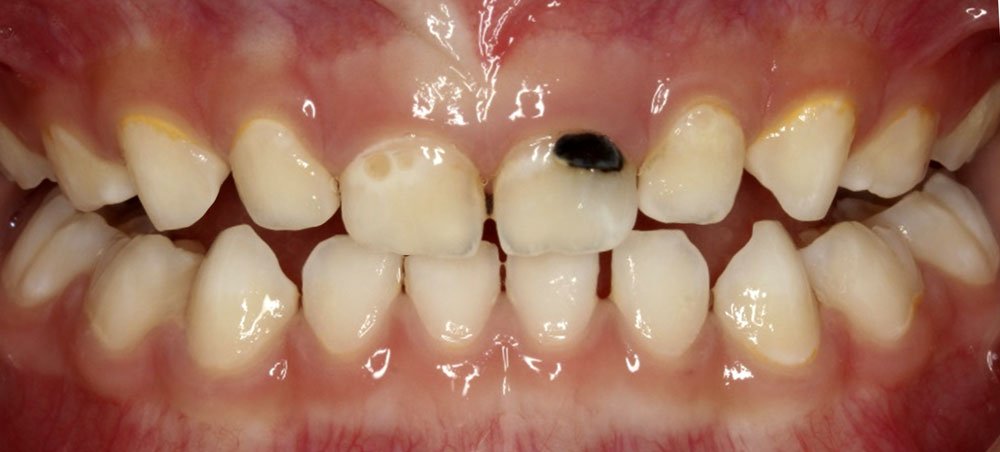
Children need healthy teeth to chew a variety of foods.
If a baby tooth hurts, a child may avoid chewing on that side. They may refuse crunchy foods. They may prefer softer foods. They may eat less at meals or become fussy without explaining why.
Dental pain can affect daily life quickly.
A child with sore teeth may struggle with:
- Chewing meat, vegetables, apples, or crunchy foods
- Eating balanced meals
- Sleeping well
- Focusing at school
- Brushing comfortably
- Staying calm during meals
A small cavity in a baby tooth can become a bigger problem if it is ignored.
Baby Teeth Help Speech Develop
Teeth help shape sounds.
Children use their tongue, lips, teeth, and palate to speak clearly. Missing, painful, or badly damaged baby teeth can sometimes affect how a child forms certain sounds.
This does not mean every lost baby tooth causes a speech issue. Children lose baby teeth as part of normal development.
But early tooth loss from decay or infection can create avoidable problems.
Healthy baby teeth support normal speech development while the mouth grows and changes.
Baby Teeth Hold Space for Adult Teeth
Baby teeth act like placeholders.
They help guide adult teeth into the right position. When a baby tooth is lost too early, nearby teeth can drift into that open space. That can leave less room for the adult tooth coming in later.
This can increase the chance of crowding or alignment issues.
Early tooth loss may affect:
- Spacing
- Bite development
- Crowding
- Adult tooth eruption
- Future orthodontic needs
That is why dentists do not ignore baby teeth just because they will fall out one day.
Timing matters.
A baby tooth that falls out naturally at the right stage is different from a baby tooth lost early because of decay, trauma, or infection.
Cavities in Baby Teeth Can Spread Fast
Baby teeth have thinner enamel than adult teeth.
That means decay can move faster through the tooth. A cavity that looks small can become painful sooner than parents expect.
Health Canada says children can get tooth decay as soon as the first tooth comes in. Tooth decay before age 6 is called early childhood tooth decay.
This can happen from frequent exposure to sugars in:
- Milk
- Formula
- Breast milk
- Juice
- Sweet drinks
- Sticky snacks
- Food left on teeth overnight
This does not mean feeding a child is the problem. The issue is frequent or prolonged sugar contact, especially when teeth are not cleaned well afterward.
Pain Is Not Always the First Sign
A child may have a cavity without complaining.
Kids do not always describe dental pain clearly. Some children avoid chewing on one side. Some become picky. Some say food is “too hard” or “too cold.” Some resist brushing because the area feels sensitive.
Watch for small clues, such as:
- White spots near the gumline
- Brown or dark spots
- Bad breath that keeps coming back
- Food getting stuck
- Sensitivity to cold
- Pain with sweets
- Complaints during brushing
- Chewing on only one side
- Swelling near a tooth or gum
- Trouble sleeping
- Avoiding certain foods
These signs deserve attention.
A dental visit can help catch the problem before it becomes painful.
Baby Tooth Infections Can Affect More Than the Tooth
Untreated decay can lead to pain and infection.
That can affect a child’s eating, sleeping, learning, and speaking. In severe cases, dental treatment for young children may need to be done under general anesthesia.
That is a lot for a child and family to go through.
Early care helps reduce that risk.
A small visit now can prevent a much bigger problem later.
Brushing Baby Teeth Takes Adult Help
Young children need help brushing.
They may want to do it themselves, and that is great for learning. But they usually do not have the hand control to clean every surface well.
Parents should help with brushing, especially at night.
Focus on:
- Gumline areas
- Back teeth
- Chewing grooves
- Inside surfaces
- Around teeth that are close together
- Any spots that trap food
Health Canada recommends brushing children’s teeth twice a day with fluoride toothpaste, using the right amount based on age and risk.
For young children, the amount matters. Too much toothpaste is not better. The goal is safe, consistent brushing.
Bedtime Habits Matter
Nighttime is a high-risk time for baby teeth.
Saliva flow slows during sleep. Saliva helps rinse away food and acids. When a child goes to bed with milk, juice, formula, or a sweet drink sitting on the teeth, the teeth can be exposed to sugar for a long time.
This can raise the risk of early childhood tooth decay.
Better bedtime habits include:
- Brush before bed
- Avoid juice after brushing
- Avoid bottles or sippy cups with anything sweet in bed
- Offer water if your child needs a drink
- Clean teeth after the last feeding when possible
- Keep nighttime brushing consistent
Bedtime brushing is one of the most important parts of a child’s dental routine.
Snacks and Drinks Add Up
Cavities are not only about candy.
Frequent snacking can give bacteria more chances to produce acid. Sticky and starchy foods can sit in grooves and between teeth.
Common cavity-risk foods and drinks include:
- Juice boxes
- Gummies
- Dried fruit
- Crackers
- Chips
- Cookies
- Sweet cereal
- Granola bars
- Sports drinks
- Pop
- Sweetened yogurt drinks
These foods do not have to disappear completely. But frequency matters.
Water between meals helps. Whole fruit is usually better than juice. Regular snack times are better than grazing all day.
First Dental Visits Matter
A child should not see a dentist only after something hurts.
Early visits help parents learn how to protect baby teeth before problems start. They also help children get used to the dental office in a calmer way.
Health Canada recommends taking a child to an oral health professional by age 1, or within 6 months of the first tooth coming in.
Early visits can help with:
- Checking tooth development
- Spotting early decay
- Reviewing brushing technique
- Discussing fluoride
- Talking about snacks and drinks
- Checking habits like thumb sucking or pacifier use
- Helping children feel comfortable at the dentist
The goal is prevention, not pressure.
When to Book a Dental Visit
Book a dental visit if you notice:
- White, chalky spots on teeth
- Brown or dark spots
- Tooth sensitivity
- Pain with sweets
- Pain with cold drinks
- Bad breath that keeps returning
- Bleeding gums
- Swelling near a tooth or gum
- A broken or chipped tooth
- A child avoiding chewing on one side
- A baby tooth lost too early
- Complaints during brushing
- Food getting stuck in the same area
Do not wait for severe pain.
Small signs in baby teeth can become bigger problems quickly.
How Bronte Road Family Dental Can Help
Bronte Road Family Dental in Oakville can help parents protect baby teeth and support healthy adult teeth.
Your dental team can check for:
- Early childhood tooth decay
- White spot lesions
- Cavities
- Gum irritation
- Plaque buildup
- Tooth development
- Bite changes
- Brushing challenges
- Snack and drink habits
- Areas that need fluoride support
Your dentist or hygienist can also show you how to brush your child’s teeth, how much toothpaste to use, and which areas need more attention.
The goal is not to make parents feel guilty.
The goal is to help children stay healthy, comfortable, and confident.
The Bottom Line
Baby teeth matter more than people think.
They help children eat, speak, smile, and hold space for adult teeth. Cavities in baby teeth can cause pain, infection, sleep problems, eating problems, and early tooth loss.
Do not wait until a child complains.
Brush twice a day. Help with brushing. Choose water between meals. Limit frequent juice and sticky snacks. Book early dental visits. Watch for white spots, dark spots, sensitivity, and chewing changes.
Baby teeth are temporary.
Their impact can last much longer.
External Sources
Health Canada, Oral Health for Children: https://www.canada.ca/en/public-health/topics/oral-health/caring-your-teeth-mouth/children.html
Canadian Dental Association, Dental Care for Children: https://www.cda-adc.ca/en/oral_health/cfyt/dental_care_children/
Statistics Canada, Direct Measures of Oral Health: https://www150.statcan.gc.ca/n1/daily-quotidien/251201/dq251201a-eng.htm
FAQ
Why do baby teeth matter if they fall out?
Baby teeth help children chew, speak, smile, and hold space for adult teeth. Losing them too early can affect comfort, eating, and how adult teeth come in.
Can cavities in baby teeth hurt?
Yes. Cavities in baby teeth can cause sensitivity, pain, infection, trouble eating, and sleep problems. Baby teeth can decay faster than parents expect.
Should cavities in baby teeth be treated?
Often, yes. Treatment depends on the child’s age, the tooth, the size of the cavity, and when the tooth is expected to fall out. A dentist can explain the best option.
When should my child first see a dentist?
Many guidelines recommend a first dental visit by age 1, or within 6 months of the first tooth coming in. Early visits help prevent problems before they start.
How can I protect my child’s baby teeth?
Brush twice a day with the right amount of fluoride toothpaste, help your child brush, offer water between meals, limit frequent juice and sticky snacks, and keep regular dental visits.
What signs of tooth decay should parents watch for?
Watch for white chalky spots, brown or dark spots, bad breath, pain with sweets, cold sensitivity, trouble chewing, swelling, or complaints during brushing.