
How Small Cavities Hide Before They Become Big Problems
Small cavities can be sneaky.
They do not always hurt. They do not always look like a dark hole. They may not bother you when you chew. You may brush every day and still have no idea one is starting.
That is why waiting for pain can be risky.
A cavity often starts quietly. It may begin as a weak spot in enamel, a small area between teeth, or decay around an old filling. By the time it hurts, the cavity may be deeper and harder to treat.
At Bronte Road Family Dental in Oakville, we often explain it this way. A small cavity is easier to manage when it is still small. The hard part is that you may not feel it yet.
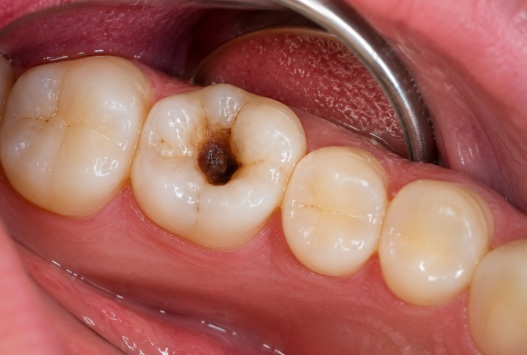
What a Cavity Really Is
A cavity is a damaged area in a tooth.
It starts when bacteria in plaque feed on sugars and starches from food and drinks. Those bacteria produce acids. Over time, acid weakens the enamel, which is the hard outer layer of the tooth.
If the damage continues, a hole can form.
You may not feel the early stage because enamel has no nerve. Pain often starts later, when the cavity reaches deeper layers of the tooth.
Common cavity triggers include:
- Frequent sugary snacks
- Soda or juice
- Sweet coffee drinks
- Sticky foods
- Dry mouth
- Plaque buildup
- Skipping floss
- Deep grooves in back teeth
- Old fillings with open edges
A cavity is not always about one bad habit. It often comes from small daily exposures that add up.
Where Small Cavities Like to Hide
Some cavities are easy to see.
Many are not.
Small cavities often start in places your toothbrush does not clean well. They can also hide in areas you cannot see in the mirror.
Common hiding spots include:
- Between teeth
- In the grooves of molars
- Along the gumline
- Under plaque or tartar
- Around old fillings
- Near crowns or bonding
- On exposed root surfaces
- Under areas that trap food
That is why a tooth can look fine to you but still need attention.
Cavities Between Teeth
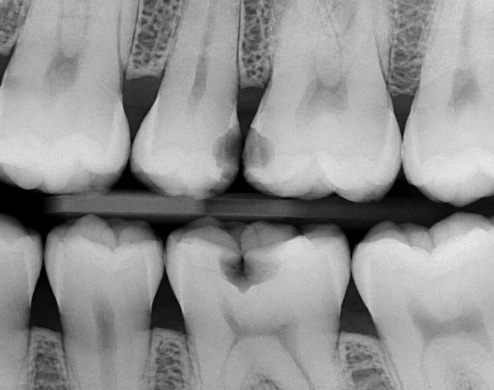
Cavities between teeth are common because your toothbrush cannot fully clean those tight spaces.
If you skip flossing, plaque and food particles can sit between teeth. Bacteria break them down and produce acid. Over time, enamel can weaken in that hidden area.
You may not see anything.
You may only notice:
- Food trapping between teeth
- Floss catching or shredding
- A bad taste from one area
- Sensitivity to sweets or cold
- Nothing at all
This is one reason dental X-rays may be recommended. They can help find decay between teeth before it becomes a bigger problem.
Early Cavities May Not Hurt
Pain is not the first stage of a cavity.
That is important.
A small cavity may start in enamel and stay painless for a while. You may chew normally. You may drink cold water without discomfort. You may think everything is fine.
Then the cavity grows.
Once decay reaches dentin, the softer layer under enamel, you may start to feel sensitivity. If it reaches deeper toward the nerve, pain can become stronger and more constant.
Signs Can Be Subtle
Watch for small changes, such as:
- A quick twinge with sweets
- Sensitivity to cold
- Food getting stuck in one spot
- Roughness on a tooth
- A small dark spot
- Floss shredding in the same area
- A bad taste that keeps coming back
- Pain when biting
These signs do not always mean you have a cavity. But they are worth checking, especially if they happen in the same area more than once.
Old Fillings Can Hide New Decay
A filling protects a tooth after decay has been removed.
But fillings do not last forever.
Over time, a filling can wear down, chip, loosen, or develop a small gap at the edge. When that happens, bacteria can collect around the filling. Decay can start under or beside it.
This type of cavity can be hard to spot on your own.
You may notice:
- A rough filling edge
- Food catching near the filling
- Sensitivity to cold or sweets
- A dark line around the filling
- Floss catching beside the tooth
- A filling that feels different when you bite
If an old filling feels off, do not wait until it breaks. A dentist can check whether it needs smoothing, repair, replacement, or monitoring.
Gumline Cavities Can Be Easy to Miss
Cavities can also form near the gumline.
This area can be missed when brushing, especially if you brush too quickly or scrub across the middle of the teeth without angling toward the gums.
Gumline cavities may be more likely when there is:
- Plaque along the gumline
- Gum recession
- Dry mouth
- Exposed root surfaces
- Frequent sipping of sweet or acidic drinks
- Tartar buildup
- Difficulty brushing certain areas
Root surfaces are more vulnerable than enamel-covered tooth surfaces. If gums recede and roots become exposed, decay can start faster in those areas.
Dry Mouth Can Help Cavities Hide
Saliva helps protect your teeth.
It rinses away food particles. It helps balance acids. It supports the minerals that help enamel stay stronger.
When your mouth is dry, acids and bacteria can sit longer.
Dry mouth can happen because of:
- Dehydration
- Coffee
- Alcohol
- Mouth breathing
- Some medications
- Stress
- Vaping
- Sleeping with your mouth open
A dry mouth can make cavities more likely and harder to notice early. You may feel sticky, coated, or thirsty often. You may also notice bad breath or more plaque buildup.
If dry mouth happens often, mention it at your dental visit.
Why Dental Checkups Matter Before Pain Starts
A dental checkup is not just a quick look.
Your dentist checks for early signs of decay, weak enamel, broken fillings, cracks, tartar buildup, gum issues, and areas that trap food.
Dental X-rays may be recommended when needed because some cavities hide between teeth or under older dental work.
The Ontario Dental Association says regular checkups can catch cavities when they are small and easier to treat.
That is the point.
Small problems are usually simpler than big problems.
What Happens If a Small Cavity Gets Bigger
A small cavity may need monitoring, fluoride support, sealants in some cases, or a small filling if treatment is needed.
A bigger cavity can need more involved care.
If decay grows, you may need:
- A larger filling
- A crown
- Root canal treatment
- Extraction in severe cases
- Tooth replacement options if the tooth cannot be saved
Waiting can also mean more discomfort, more appointments, and more stress.
A cavity that could have been simple can become a painful toothache.
How to Lower Your Cavity Risk at Home
You cannot see every cavity early, but you can lower your risk.
Start with the basics:
- Brush twice a day with fluoride toothpaste
- Floss once a day
- Drink water often
- Limit frequent sugary snacks
- Avoid sipping soda, juice, or sweet coffee for hours
- Rinse with water after acidic or sweet drinks
- Clean your tongue
- Use a soft toothbrush
- Keep up with dental checkups and cleanings
- Ask about fluoride if you get cavities often
Frequency matters.
One sweet snack with a meal is different from grazing all day. Your teeth need time to recover between acid and sugar exposures.
When to Book a Dental Visit
Do not wait for severe pain.
Book a dental visit if you notice:
- A sweet twinge in one tooth
- Cold sensitivity that keeps coming back
- Pain when biting
- Food stuck in the same spot
- Floss catching or shredding
- A dark spot on a tooth
- A rough edge
- A loose or broken filling
- Bad breath or a bad taste that keeps returning
- Sensitivity near the gumline
Statistics Canada reported in 2024 that 26% of Canadians had oral pain or avoided eating certain foods because of mouth problems. Small dental symptoms can affect daily life when they are ignored.
How Bronte Road Family Dental Can Help
If you are worried about a small cavity, Bronte Road Family Dental in Oakville can help you find out what is happening.
Your dental team can check for:
- Early decay
- Cavities between teeth
- Gumline cavities
- Decay around old fillings
- Cracks
- Plaque and tartar buildup
- Food traps
- Dry mouth signs
- Areas that need fluoride support
If a cavity is small, your dentist can explain your options clearly. Sometimes an area can be monitored. Sometimes it needs a small repair. Sometimes prevention changes can help lower the chance of new cavities.
The goal is not to wait until a tooth hurts.
The goal is to catch the problem while it is still easier to treat.
The Bottom Line
Small cavities can hide before they become big problems.
They may start between teeth, along the gumline, in grooves, or around old fillings. They may not hurt at first. They may only show up as sensitivity, food trapping, floss catching, or a small dark spot.
Pain often means the problem has grown.
Brush with fluoride toothpaste. Floss daily. Drink water. Limit long sipping habits. Keep up with dental checkups.
If something feels different, book a visit.
Small cavities are easier to handle when they are still small.
External Sources
Canadian Dental Association, Cavities: https://www.cda-adc.ca/en/oral_health/talk/complications/diseases/cavities.asp
Ontario Dental Association, Cavities and Tooth Decay: https://www.oda.ca/oral-health-basics/oral-conditions-diseases/cavities-tooth-decay/
Statistics Canada, Canadian Oral Health Survey Findings: https://www150.statcan.gc.ca/n1/daily-quotidien/241023/dq241023b-eng.htm
FAQ
Can I have a cavity without pain?
Yes. Small cavities often do not hurt at first. Pain may start when decay reaches deeper layers of the tooth.
Where do small cavities usually hide?
Small cavities often hide between teeth, in molar grooves, along the gumline, around old fillings, or under plaque and tartar.
How does a dentist find a cavity I cannot see?
A dentist checks the tooth surface, filling edges, gumline, and areas between teeth. X-rays may help find cavities hidden between teeth or under older dental work.
Does sensitivity mean I have a cavity?
Not always. Sensitivity can come from enamel wear, gum recession, dry mouth, whitening products, or a crack. But a cavity is one possible cause, especially if one tooth keeps reacting.
Can a small cavity heal on its own?
Very early enamel weakening may sometimes be managed with fluoride and better habits, but once a true hole forms, it usually needs dental treatment.
When should I see a dentist?
See a dentist if you notice pain, cold sensitivity, sweet sensitivity, food trapping, floss catching, a dark spot, a rough edge, or a loose or broken filling.