
The Smile Details People Notice Without Knowing Why
A smile can look “right” before anyone knows why.
It can also look a little off, even when the teeth are healthy.
Most people do not study every tooth. They do not usually point out one edge, one gumline, one old filling, or one small chip. They just notice the overall smile.
That is why small details matter.
Tooth colour, shape, length, spacing, gumline, surface texture, and symmetry all work together. When one detail changes, the whole smile can feel different.
At Bronte Road Family Dental in Oakville, we often explain it this way. A natural-looking smile is not about perfect teeth. It is about details that fit together.
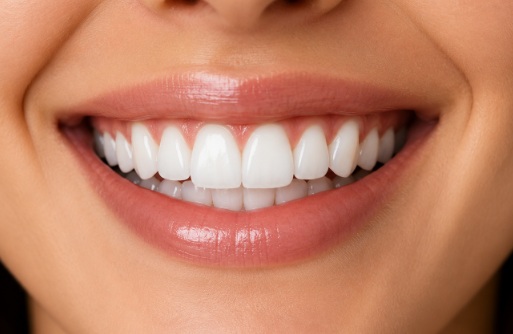
Colour Is the Detail People Think About First
Most people notice tooth colour first.
They may see stains from coffee, tea, red wine, or aging. They may feel their teeth look dull in photos. They may wonder if whitening would help.
Sometimes whitening is a good option.
But colour is only one part of the smile.
A smile can be bright and still look uneven if the edges are chipped, the teeth are worn, or old bonding no longer matches. A smile can also look healthy and attractive without being extremely white.
Before choosing whitening, it helps to ask whether the real issue is colour or something else.
Tooth Shape Changes the Smile More Than People Expect
Tooth shape affects the whole smile.
A slightly worn tooth can make the smile look older. A small chip can make the front teeth look uneven. A tooth that is too narrow or too short can pull attention, even if the colour looks good.
Shape details include:
- Tooth length
- Tooth width
- Edge shape
- Rounded or square corners
- Tiny chips
- Flat worn edges
- Pointed canines
- Uneven front teeth
- Small gaps
- Old bonding shape
These details are easy to miss one by one.
Together, they change the balance of the smile.
The Edges of Front Teeth Matter
The biting edges of the front teeth help create the smile line.
When the edges follow a natural curve, the smile often looks softer and more balanced. When one edge is chipped, flat, rough, or shorter, the eye may notice it even if the person cannot explain why.
You may notice edge details more in:
- Photos
- Videos
- Bright light
- Close-up mirrors
- Side-angle smiles
- Laughing
- Speaking
A tiny chip can make one front tooth look different from the other. A worn edge can make teeth look shorter. A rough corner can make the smile feel less smooth.
Sometimes a small bonding repair or polish can make a noticeable difference.
Symmetry Should Look Natural, Not Fake
People notice symmetry.
But natural symmetry does not mean every tooth should look identical.
A smile can look artificial when all teeth are the same shape, same length, and same brightness. Natural smiles usually have small differences. The key is that those differences should still feel balanced.
Smile balance can be affected by:
- One tooth being darker
- One edge being chipped
- One tooth looking shorter
- One gumline sitting higher
- One old filling standing out
- One tooth being slightly rotated
- One side showing more teeth than the other
The goal is not a copied smile.
The goal is a smile that looks like it belongs to you.
Gumline Details Can Change the Whole Look
The gums frame the teeth.
Healthy gums can make teeth look cleaner and more balanced. Red, puffy, bleeding, uneven, or receding gums can change the appearance of the smile even when the teeth themselves are white.
Gumline details people may notice include:
- Puffy gums
- Bleeding gums
- Uneven gum height
- Gum recession
- Teeth that look too long
- Teeth that look too short
- Dark spaces near the gums
- Plaque or tartar near the gumline
This is why cosmetic dentistry often starts with gum health.
Whitening, bonding, or veneers look better when the gums are healthy and stable.
Surface Texture Affects Light
Natural teeth are not perfectly flat.
They have curves, small lines, and surface texture. These details affect how light reflects from the teeth.
When one tooth reflects light differently, it can stand out.
This can happen because of:
- Old bonding
- Rough enamel
- Worn enamel
- A chipped edge
- Stain in surface texture
- A dull restoration
- A very flat polished area
- A crown or filling with a different shine
Sometimes the shade is close, but the shine is different.
That can make a tooth look obvious without the person knowing why.
Old Dental Work Can Become More Noticeable
Dental work can age differently from natural teeth.
Bonding can stain. A crown may no longer match. A filling edge can collect stain. Veneers may look different if the surrounding teeth change colour.
Old dental work may stand out because of:
- Shade mismatch
- Stained edges
- Rough margins
- Different shine
- Chipping
- Gumline changes
- Whitening done after the dental work
- Wear over time
This matters before cosmetic treatment.
Whitening works on natural teeth, but it does not whiten bonding, crowns, veneers, or tooth-coloured fillings the same way. If you whiten without planning, older dental work may become more noticeable.
Spacing and Alignment Affect Smile Flow
Small spaces or mild crowding can change how the smile looks.
A tooth that sits slightly behind another may look darker because it catches less light. A small gap may pull attention. Crowding may make one tooth look larger or more shadowed.
Spacing and alignment can affect:
- How wide the smile looks
- How teeth reflect light
- Whether edges look even
- Whether teeth look darker in some areas
- Whether food traps form
- How easy teeth are to clean
Sometimes the problem is not tooth colour.
Sometimes it is tooth position.
Bite and Wear Leave Clues
Your bite affects how your smile changes over time.
Grinding, clenching, acid wear, and uneven bite pressure can slowly change tooth shape. Teeth may look shorter, flatter, chipped, or thinner at the edges.
Signs of wear include:
- Flat front edges
- Small chips
- Shorter-looking teeth
- Tooth sensitivity
- Cracks
- Worn fillings
- Jaw soreness
- Morning headaches
- Teeth that keep chipping
If you repair a chip but do not address the bite, the repair may not last as well.
That is why a dentist may check for grinding or clenching before bonding, veneers, or other cosmetic work.
Smile Details Should Fit Your Face
Teeth sit inside a face.
Your lips, cheeks, smile width, gum display, and facial movement all affect how your smile looks.
A tooth shape that looks great on one person may look too square, too long, or too bright on someone else.
Your dentist may look at:
- Lip shape
- Smile width
- Tooth display at rest
- Tooth display when smiling
- Gum display
- Face shape
- Speech
- Bite
- The curve of the smile
The best cosmetic result is not the brightest or most dramatic.
It is the one that fits your face.
What Can Improve Small Smile Details?
The right option depends on the detail.
Whitening may help when the main issue is natural tooth colour.
Bonding may help with small chips, gaps, uneven edges, or minor shape concerns.
Veneers may help when several front teeth need changes in colour, shape, size, or symmetry.
Polishing or enamel contouring may help with very small rough edges.
Orthodontics may help when tooth position is the bigger issue.
Gum treatment may help when gum inflammation or uneven gumlines affect the smile.
A good plan starts with identifying the real cause.
Questions to Ask Your Dentist
If your smile feels off but you cannot name why, ask your dentist to help you break it down.
Helpful questions include:
- Is my concern colour, shape, or both?
- Are my tooth edges worn or chipped?
- Is old bonding or dental work standing out?
- Are my gums affecting the way my teeth look?
- Do I show signs of grinding or clenching?
- Would whitening help?
- Would bonding be enough?
- Are veneers too much for this concern?
- Will my dental work match if I whiten?
- What is the most conservative option?
These questions make the conversation more useful.
They help you avoid choosing a treatment that does not fix the real issue.
How Bronte Road Family Dental Can Help
Bronte Road Family Dental in Oakville can help you understand the small details that affect your smile.
Your dental team can check:
- Tooth colour
- Tooth shape
- Small chips
- Worn edges
- Gumline health
- Old bonding
- Fillings and crowns
- Tooth spacing
- Bite pressure
- Grinding signs
- Surface stains
- Smile balance
You may not need a major cosmetic change.
Sometimes a cleaning, polish, whitening plan, small bonding repair, or gum health improvement can make the smile look fresher.
Sometimes a larger plan is needed.
The first step is knowing what detail is making the smile feel different.
The Bottom Line
People notice smile details even when they do not know what they are seeing.
Colour, shape, edges, gumline, texture, symmetry, spacing, and old dental work all affect the final look.
A natural smile is not about making every tooth perfect.
It is about balance.
If your smile feels uneven, dull, worn, or not quite like you, ask your dentist what details may be involved. Once you know the cause, you can choose the right solution.
External Sources
Canadian Dental Association, Bonding and Veneers: https://www.cda-adc.ca/en/oral_health/procedures/bonding_veneers/
American Dental Association, Whitening: https://www.ada.org/resources/ada-library/oral-health-topics/whitening
Cleveland Clinic, Cosmetic Dentistry: https://my.clevelandclinic.org/health/treatments/23914-cosmetic-dentistry
FAQ
What smile details do people notice first?
People often notice colour, tooth shape, front tooth edges, gumline, spacing, symmetry, and old dental work, even if they cannot explain exactly what stands out.
Can one small chip affect my whole smile?
Yes. A small chip can change the edge line, symmetry, and light reflection of the front teeth.
Why does my smile still look uneven after whitening?
Whitening changes colour, not shape. If teeth are chipped, worn, crowded, uneven, or affected by old dental work, whitening alone may not solve the concern.
Can bonding fix small smile details?
Yes. Bonding can often help with small chips, uneven edges, worn corners, minor gaps, and small shape concerns when the tooth and bite are suitable.
Why does old dental work start to stand out?
Old bonding, fillings, crowns, or veneers can stain, chip, dull, or stop matching nearby teeth as the natural teeth and gums change.
How do I know which cosmetic option I need?
Start with a dental exam. Your dentist can tell whether the issue is colour, shape, gumline, bite, old dental work, spacing, or a mix of several details.