
What to Ask Before Choosing Whitening, Bonding, or Veneers
Whitening, bonding, and veneers can all improve a smile.
But they do very different things.
Whitening changes tooth colour. Bonding can repair small chips, edges, gaps, or shape concerns. Veneers can change the front surface of teeth more fully, including colour, shape, size, and symmetry.
The right choice depends on what bothers you, what your teeth need, and how much change you want.
At Bronte Road Family Dental in Oakville, we often explain it this way. Cosmetic dental treatment should start with questions, not guesses.
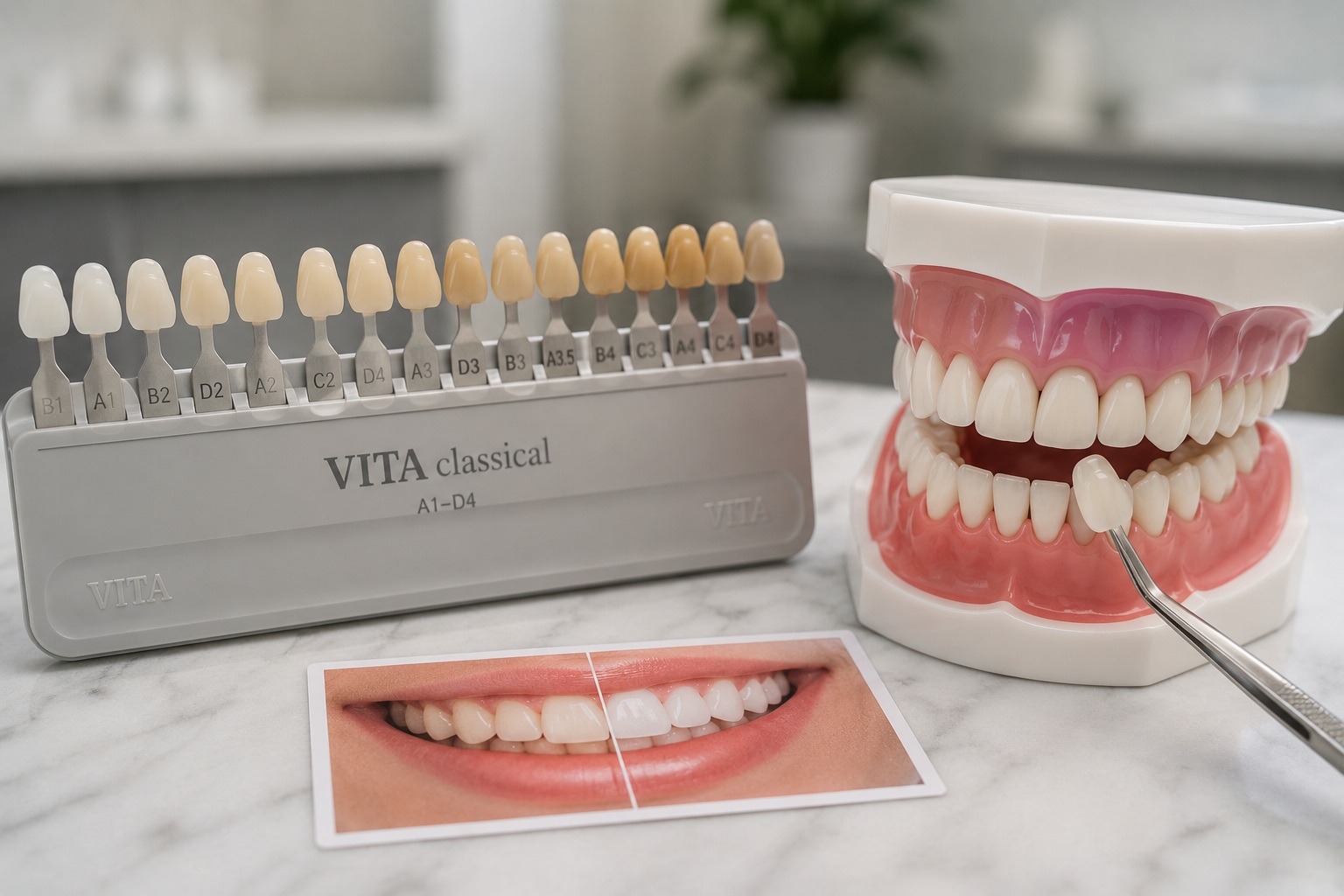
What Do I Actually Want to Change?
Before choosing a treatment, get clear on the problem.
Is it colour?
Shape?
Chips?
Gaps?
Old bonding?
Uneven edges?
A smile that looks worn?
Many people say they want whiter teeth, but the real concern may be tooth shape or old dental work. Others ask about veneers when whitening or bonding may be enough.
Ask yourself:
- Do my teeth look too yellow?
- Are there stains that do not brush away?
- Are the edges chipped or uneven?
- Is one tooth shorter than the others?
- Are there small gaps?
- Do old fillings or bonding stand out?
- Do my teeth look worn down?
- Does my smile look uneven in photos?
- Do I want a small change or a bigger smile change?
The answer helps your dentist guide you toward the right option.
Is Whitening Enough?
Whitening is usually focused on colour.
It may help if your natural teeth look darker, duller, or more stained than you want. Whitening does not change tooth shape, tooth position, chips, gaps, worn edges, or old dental work.
Whitening may be worth asking about if:
- Your teeth are healthy
- Your main concern is shade
- You have surface or deeper staining
- Your tooth shape already looks balanced
- You do not need to repair chips or gaps
- You understand that fillings, crowns, veneers, and bonding will not whiten like natural teeth
That last point matters.
If you have visible bonding, crowns, veneers, or tooth-coloured fillings, they may not change colour with whitening. Your natural teeth may become lighter while the dental work stays the same shade.
That can make old dental work stand out.
Should I Whiten Before Bonding or Veneers?
Often, whitening should be discussed before bonding or veneers.
Why?
Because bonding and veneers are shade-matched to your teeth. If you whiten after the bonding is placed, your natural teeth may get lighter while the bonding stays the same colour.
That can create a mismatch.
Ask your dentist:
- Should I whiten first?
- How long should I wait after whitening before bonding?
- Will my old fillings or crowns match after whitening?
- Are my teeth too sensitive for whitening right now?
- Will whitening give me the result I want, or do I need shape changes too?
Planning the order matters.
A brighter smile is easier to match when the dentist knows your final tooth shade first.
Is Bonding the Best Choice for a Small Change?
Dental bonding uses tooth-coloured composite resin.
It can be shaped and polished to blend with the tooth. Bonding is often used for smaller repairs or cosmetic changes.
Bonding may help with:
- Small chips
- Uneven edges
- Minor gaps
- Worn corners
- Small shape changes
- Discoloured spots
- Old bonding repair
- A tooth that looks slightly shorter
- Small areas where enamel shape looks uneven
Bonding can be more conservative than veneers in many cases because it often needs little or no enamel removal.
But bonding has limits.
It can stain, chip, or wear over time. It may not be the best choice for large changes, heavy bite pressure, severe discolouration, or major spacing concerns.
Would Veneers Make More Sense?
Veneers are thin coverings placed over the front of teeth.
They may be used when a person wants a larger change in colour, shape, length, width, or symmetry. Veneers can be helpful when several front teeth need to look more balanced together.
Veneers may be discussed for:
- Several chipped or worn front teeth
- Teeth that are too small or uneven
- Stains that do not respond well to whitening
- Gaps
- Slight crowding or overlap
- Smile balance concerns
- Old cosmetic work that no longer blends
- A bigger cosmetic change than bonding can provide
Veneers require careful planning.
Your dentist needs to check enamel, gum health, bite, grinding habits, tooth strength, and whether veneers are truly the best option.
Are My Teeth and Gums Healthy Enough First?
Cosmetic treatment should not cover up dental problems.
Before whitening, bonding, or veneers, your dentist should check your oral health.
This may include:
- Cavities
- Gum inflammation
- Bleeding gums
- Plaque and tartar buildup
- Tooth cracks
- Old fillings
- Tooth sensitivity
- Gum recession
- Bite pressure
- Grinding or clenching
- Dry mouth
- Enamel wear
Healthy gums and teeth create a better foundation.
If there is decay, gum disease, heavy grinding, or unstable dental work, those issues may need attention first.
A cosmetic result should look good, feel good, and protect the tooth long term.
How Much Tooth Structure Is Involved?
This is an important question.
Whitening does not change tooth structure.
Bonding often adds material to the tooth and may need little or no enamel removal.
Veneers usually involve preparing the front surface of the tooth so the veneer can fit properly. The amount depends on the case.
Ask your dentist:
- How much enamel needs to be removed?
- Is this treatment reversible?
- Is there a more conservative option?
- Is my tooth strong enough for this option?
- Would bonding work before considering veneers?
- Would orthodontics improve the position first?
The most conservative option is not always the best option, but it should be part of the discussion.
Will the Result Look Natural?
A natural-looking smile depends on more than shade.
It depends on shape, proportion, gumline, surface texture, tooth length, and how the teeth fit your face.
Ask your dentist:
- What shade will look natural for me?
- Will the shape match my face and lips?
- Will the teeth look too square or too bulky?
- Will the edges look natural?
- How will the result look beside my lower teeth?
- Will old fillings, crowns, or bonding still match?
- Can I see examples or a preview?
The goal should not be the whitest possible teeth.
The goal should be a smile that looks healthy and balanced.
How Long Will It Last?
Every cosmetic option needs maintenance.
Whitening may need touch-ups over time, especially if you drink coffee, tea, red wine, or other staining drinks.
Bonding can stain, chip, or wear. It may need polishing, repair, or replacement.
Veneers can last longer in many cases, but they still need care and may eventually need replacement.
Ask:
- How long does this option usually last?
- What can make it fail sooner?
- Will I need touch-ups?
- Can it stain?
- Can it chip?
- What happens if it breaks?
- How do I care for it?
A good cosmetic plan should include the maintenance plan too.
What Happens If I Grind or Clench?
Grinding and clenching can affect cosmetic dentistry.
If you grind your teeth at night or clench during the day, bonding may chip. Veneers may crack or break. Teeth may keep wearing down.
Signs of grinding or clenching include:
- Flat tooth edges
- Small chips
- Jaw soreness
- Morning headaches
- Tooth sensitivity
- Cracked fillings
- Worn front teeth
- A tired feeling in the jaw
Ask your dentist:
- Do I show signs of grinding?
- Will this treatment hold up with my bite?
- Do I need a nightguard?
- Is bonding strong enough for this area?
- Would veneers be at risk?
- Should my bite be adjusted before cosmetic work?
A beautiful result still needs to survive daily function.
What Is the Best Order of Treatment?
The order matters.
Sometimes the best sequence is cleaning, then whitening, then bonding.
Sometimes gum health needs to improve first.
Sometimes orthodontics should happen before veneers.
Sometimes old fillings or crowns need to be replaced after whitening so everything matches.
A possible sequence may include:
- Exam and X-rays if needed
- Cleaning
- Gum health review
- Whitening
- Waiting period for shade stability
- Bonding or veneer planning
- Bite check
- Final cosmetic treatment
- Nightguard if needed
- Maintenance visits
Not everyone needs every step.
But planning the order helps avoid mismatched shades, rushed decisions, and treatments that do not last as well.
Which Option Fits My Budget and Timeline?
Cosmetic dentistry is personal, and so are budget and timing.
Whitening, bonding, and veneers can vary in cost, number of visits, maintenance, and longevity.
Ask clearly:
- What are my options?
- What does each option cost?
- How many appointments will I need?
- How long will each appointment take?
- What is included?
- What may need replacement later?
- Is the treatment cosmetic, restorative, or a mix?
- Will insurance cover any part of it?
Sometimes the best choice is a phased plan.
You may start with whitening. Then repair one or two chips with bonding. Later, if needed, you may consider veneers for a larger change.
You do not always need to do everything at once.
What If I Choose the Wrong Option?
This is why the consultation matters.
A treatment can be good in general but wrong for your situation.
Whitening may disappoint you if the real issue is tooth shape.
Bonding may not last well if the bite pressure is too heavy.
Veneers may be too much if you only need a tiny chip repaired.
The best choice depends on:
- Your goals
- Tooth health
- Gum health
- Bite
- Enamel
- Existing dental work
- Sensitivity
- Budget
- Timeline
- How much change you want
Ask your dentist to explain the trade-offs.
A clear “why” is more helpful than a quick “yes.”
How Bronte Road Family Dental Can Help
Bronte Road Family Dental in Oakville can help you compare whitening, bonding, and veneers based on your actual teeth.
Your dental team can check:
- Tooth colour
- Tooth shape
- Chips
- Gaps
- Old bonding
- Fillings or crowns
- Gum health
- Enamel
- Bite pressure
- Grinding signs
- Sensitivity
- Smile balance
- Whether whitening should happen first
Then your dentist can explain what each option can and cannot do.
Sometimes whitening is enough.
Sometimes bonding is the right small fix.
Sometimes veneers are the better option for a larger smile change.
The goal is to choose the treatment that fits your smile, not the treatment that sounds the most dramatic.
The Bottom Line
Before choosing whitening, bonding, or veneers, ask the right questions.
What do you want to change?
Is the issue colour, shape, chips, gaps, or old dental work?
Are your gums and teeth healthy enough?
Will whitening affect the shade plan?
Will bonding last in that area?
Are veneers truly needed?
Will your bite or grinding habits affect the result?
Cosmetic dentistry works best when it is planned carefully.
A natural smile is not just brighter.
It is balanced, healthy, comfortable, and right for you.
External Sources
Canadian Dental Association, Bonding and Veneers: https://www.cda-adc.ca/en/oral_health/procedures/bonding_veneers/
Ontario Dental Association, Cosmetic Dentistry: https://www.oda.ca/oral-health-basics/dental-procedures/cosmetic-dentistry/
American Dental Association, Whitening: https://www.ada.org/resources/ada-library/oral-health-topics/whitening
FAQ
Should I choose whitening, bonding, or veneers?
It depends on what you want to change. Whitening helps with natural tooth colour. Bonding helps with small chips, gaps, and shape concerns. Veneers may help when several teeth need bigger changes.
Should I whiten my teeth before bonding?
Often, yes. Bonding does not whiten like natural enamel, so whitening is usually discussed before shade-matched bonding is placed.
Can whitening fix chipped or uneven teeth?
No. Whitening can brighten natural teeth, but it cannot fix chips, uneven edges, gaps, or tooth shape.
Is bonding more conservative than veneers?
Often, yes. Bonding usually adds tooth-coloured resin to a smaller area and may need little or no enamel removal. Veneers cover more of the front tooth surface and require more planning.
Are veneers better than bonding?
Not always. Veneers may be better for larger changes, but bonding can be a good option for smaller repairs. The best choice depends on the tooth, bite, enamel, and smile goals.
What should I ask at a cosmetic dental consultation?
Ask what option fits your goal, whether your teeth and gums are healthy enough, whether whitening should come first, how long the result may last, and how your bite may affect the treatment.