The Snack Habits That Quietly Affect Kids’ Cavities
Snacks can feel harmless.
A cracker here. A granola bar there. A juice box in the car. A gummy after school. A cookie after dinner.
None of these seems like a big deal on its own.
But kids’ teeth do not only react to what they eat. They react to how often they eat it, how sticky it is, how long it sits on the teeth, and whether the mouth gets time to recover between snacks.
That is why snack habits can quietly affect cavities.
At Bronte Road Family Dental in Oakville, we often explain it this way. A snack does not have to be candy to affect teeth. If it sticks, sits, or keeps sugar in the mouth often, it can raise cavity risk over time.
Cavities Are About Frequency, Not Just Sugar
Most parents know sugar can affect teeth.
But frequency matters just as much.
When children eat sugary or starchy snacks, bacteria in plaque use those carbohydrates as fuel. Those bacteria produce acids. Acid weakens enamel, which is the hard outer layer of the tooth.
The mouth can recover, but it needs time.
If a child snacks all day, the teeth face repeated acid attacks. Saliva does not get enough time to rebalance the mouth.
That is why grazing can be harder on teeth than having a snack at a set time.
The “All Day Snack” Problem
A child who eats one cookie with lunch may have less tooth exposure than a child who slowly eats crackers, gummies, juice, and cereal over several hours.
The issue is not only the amount.
It is the repeated contact.
Common grazing habits include:
- Snacking in the car
- Keeping a snack cup nearby all afternoon
- Sipping juice between meals
- Eating crackers while watching TV
- Having small sweets throughout the day
- Taking a long time to finish sticky snacks
- Having snacks after bedtime brushing
Kids need snacks. The goal is not to remove snacks. The goal is to make them less constant.
Sticky Snacks Can Sit on Teeth Longer
Sticky snacks can cling to teeth.
That gives bacteria more time to feed on sugar or starch. Sticky foods can also get stuck in grooves, between teeth, or around loose baby teeth.
Common sticky snacks include:
- Gummies
- Fruit snacks
- Dried fruit
- Caramels
- Sticky granola bars
- Chewy candy
- Sweet cereal bars
- Toffee
- Fruit leather
Some of these snacks look healthier than candy, but they can still stick to teeth.
Dried fruit is a good example. It may feel like a healthy choice, but it can be sticky and concentrated in natural sugar. Whole fruit is usually a better everyday option for teeth.
Crackers and Chips Can Also Matter
Not every cavity-risk snack tastes sweet.
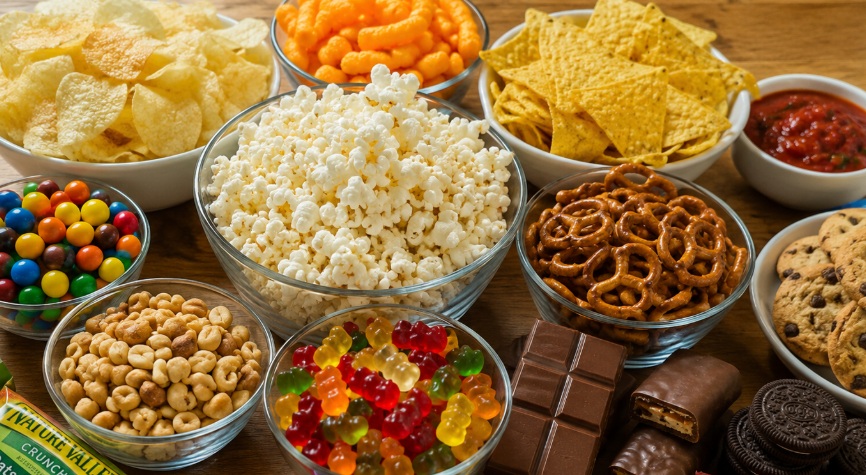
Crackers, chips, pretzels, and cereal can break down into starches. These starches can sit in the grooves of back teeth and between teeth.
Kids often eat these snacks slowly or repeatedly. That gives bacteria more time to work.
Common starchy snacks include:
- Goldfish-style crackers
- Pretzels
- Chips
- Dry cereal
- Rice cakes
- Breadsticks
- Crackers
- Puffs
- Cookies
- Granola bars
These foods are not forbidden. But they should not be all-day snacks.
Water afterward helps. Brushing and flossing well matter too.
Juice Boxes Can Make Snacking Worse
Juice boxes are convenient, but they can add sugar and acid to snack time.
Even 100% juice contains natural sugar. Many juices are also acidic. When children sip juice slowly, teeth get repeated exposure.
The Canadian Dental Association explains that if children always sip juice between meals, their teeth are coated in sugars again and again.
That is the problem.
A juice box with a meal is different from juice sipped all afternoon.
Water Is the Best Between-Meal Drink
Water helps rinse the mouth. It does not feed cavity-causing bacteria. It does not create the same acid exposure as juice, pop, or sports drinks.
Better drink habits include:
- Offer water when your child is thirsty
- Keep juice occasional
- Serve juice with meals, not as an all-day drink
- Avoid juice after bedtime brushing
- Avoid bottles or sippy cups filled with juice in bed
- Encourage water after sweet or sticky snacks
Small drink changes can make snack habits much easier on teeth.
Bedtime Snacks Are Higher Risk
Bedtime is a sensitive time for teeth.
Saliva flow slows during sleep. Saliva helps rinse away food and acids. When food or sugar sits on teeth overnight, cavity risk can rise.
A snack before brushing is not the same as a snack after brushing.
After brushing at night, water should be the only drink.
Avoid giving children after-brushing snacks like:
- Crackers
- Cookies
- Gummies
- Milk with added flavouring
- Juice
- Sweet cereal
- Granola bars
- Chocolate
- Sticky dried fruit
If a child needs a bedtime snack, offer it before brushing. Then brush well with fluoride toothpaste.
Baby Teeth Are More Vulnerable Than Parents Think
Baby teeth matter.
They help kids chew, speak, smile, and hold space for adult teeth. They also have thinner enamel than adult teeth, so decay can move faster.
A small cavity in a baby tooth can become painful sooner than parents expect.
Watch for signs like:
- White chalky spots
- Brown or dark spots
- Bad breath
- Pain with sweets
- Cold sensitivity
- A child avoiding chewing on one side
- Complaints during brushing
- Swelling near a tooth or gum
- Food trapping in the same area
Do not wait for a child to complain clearly. Kids do not always explain dental pain well.
The Best Snacks for Teeth Are Simple
Tooth-friendly snacks do not need to be fancy.
The best choices are often simple, filling, and less sticky.
Better everyday options include:
- Cheese
- Plain yogurt
- Fresh fruit
- Vegetables
- Eggs
- Nuts or seeds when age-appropriate and safe
- Whole grain toast with a meal
- Hummus with vegetables
- Water
Some snacks still contain natural sugars or starches. That is fine. The goal is balance, not perfection.
A whole apple is different from sticky fruit snacks. Plain yogurt is different from a sweet yogurt drink. Water is different from juice.
How to Make Snack Time Easier on Teeth
You do not need to create a perfect diet.
You need better patterns.
Try this:
- Keep snacks at set times instead of constant grazing
- Offer water between meals
- Save juice for occasional use
- Choose whole fruit more often than juice or dried fruit
- Limit sticky candies and fruit snacks
- Avoid snacks after bedtime brushing
- Pair snacks with water
- Brush twice a day with fluoride toothpaste
- Help younger kids brush properly
- Floss once teeth touch
- Keep regular dental checkups
The pattern matters more than one snack.
Brushing Still Needs Parent Help
Kids can brush every day and still miss spots.
They often miss back molars, gumlines, inside surfaces, and spaces between teeth. Snacks then sit in those missed areas longer.
Parents should help or supervise brushing, especially for younger children.
Focus on:
- Back teeth
- Chewing grooves
- Gumline areas
- Inside surfaces
- Around loose baby teeth
- Between teeth that touch
Health Canada notes that fluoride helps strengthen enamel so teeth are more resistant to decay. Fluoride toothpaste can help, but only when brushing reaches the right areas.
When Snack Habits Need a Dental Check
Book a dental visit if you notice:
- White spots near the gumline
- Brown or dark spots
- Pain with sweets
- Cold sensitivity
- Food stuck in the same spot
- Bad breath that keeps returning
- Bleeding gums
- A child chewing on one side
- Complaints during brushing
- Rough or chipped tooth areas
- A history of frequent cavities
Statistics Canada reported in 2025 that 57% of children aged 6 to 11 had at least one affected baby or adult tooth in 2022 to 2024.
That does not mean cavities are unavoidable. It means prevention matters.
Small snack changes, better brushing, fluoride, and regular dental visits can all help.
How Bronte Road Family Dental Can Help
Bronte Road Family Dental in Oakville can help parents understand how snacks, drinks, brushing, and fluoride affect children’s teeth.
Your dental team can check for:
- Early cavities
- White spot lesions
- Plaque buildup
- Enamel wear
- Gum irritation
- Brushing challenges
- Deep grooves in molars
- Food traps
- Snack and drink habits that raise cavity risk
- Areas that may need fluoride support or sealants
Your dentist or hygienist can also help you build a realistic plan.
The goal is not to shame parents or ban every treat.
The goal is to protect kids’ teeth with habits that work in real life.
The Bottom Line
Snack habits can quietly affect kids’ cavities.
The biggest issues are frequent grazing, sticky snacks, juice between meals, bedtime snacks after brushing, and missed brushing spots.
Kids can still enjoy snacks.
Just give their teeth breaks.
Offer water. Choose less sticky options more often. Keep snacks at set times. Avoid juice before bed. Help with brushing. Floss once teeth touch. Keep up with dental visits.
Small changes now can protect your child’s smile later.
External Sources
Canadian Dental Association, Nutrition for Children: https://www.cda-adc.ca/en/oral_health/cfyt/dental_care_children/nutrition.asp
Health Canada, Oral Health for Children: https://www.canada.ca/en/public-health/topics/oral-health/caring-your-teeth-mouth/children.html
Statistics Canada, Direct Measures of Oral Health: https://www150.statcan.gc.ca/n1/daily-quotidien/251201/dq251201a-eng.htm
FAQ
Can snacks really cause cavities in kids?
Yes. Frequent sugary or starchy snacks can feed bacteria in plaque. Those bacteria produce acids that weaken enamel and raise cavity risk.
Are crackers bad for kids’ teeth?
Crackers are not candy, but they can still affect teeth. They break down into starches and can stick in grooves and between teeth, especially when kids snack often.
Are fruit snacks better than candy?
Not always. Fruit snacks can be sticky and sugary, even when they look healthier. Whole fruit is usually a better everyday choice.
Is juice okay for kids’ teeth?
Juice should be occasional, not an all-day drink. Even 100% juice contains natural sugar and can be acidic. Water is best between meals.
What snacks are better for teeth?
Cheese, plain yogurt, fresh fruit, vegetables, eggs, and water are usually better everyday choices. The best snack pattern is set snack times with water between meals.
When should my child see a dentist?
Book a visit if your child has white spots, dark spots, sensitivity, pain with sweets, bad breath, bleeding gums, food traps, or trouble chewing.