
Why Sports Mouthguards Are Not Just for Hockey Players
When people think about sports mouthguards, they often think about hockey.
That makes sense. Hockey has sticks, pucks, boards, elbows, and fast contact. A mouthguard feels obvious.
But hockey is not the only sport where teeth can get hurt.
Dental injuries can happen in basketball, soccer, football, lacrosse, baseball, softball, martial arts, skateboarding, gymnastics, volleyball, and many other activities. Any sport with contact, speed, falls, elbows, balls, sticks, or hard surfaces can put teeth at risk.
At Bronte Road Family Dental in Oakville, we often explain it this way. A mouthguard is not just for the sport that looks roughest. It is for any activity where a hit, fall, or collision could damage teeth.
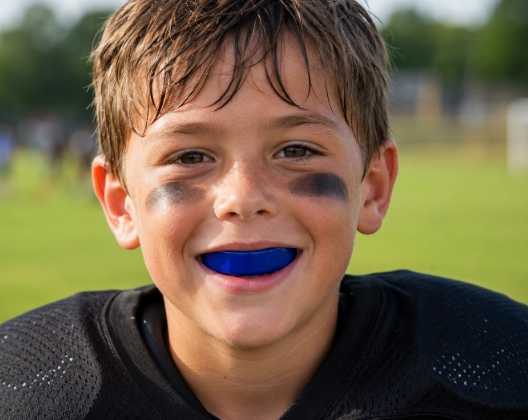
What a Sports Mouthguard Does
A sports mouthguard is a protective appliance that fits over the teeth.
Its job is to help cushion impact and reduce the risk of injury to the teeth, lips, cheeks, tongue, and jaw area.
A mouthguard can help protect against:
- Chipped teeth
- Broken teeth
- Knocked-out teeth
- Cuts to the lips or cheeks
- Tongue injuries
- Damage around braces
- Injury around crowns or fillings
- Jaw impact from a blow or fall
It does not make a sport risk-free. It does not replace helmets, face shields, coaching, or safe play. But it adds an important layer of protection for the mouth.
Dental Injuries Are Not Only a Hockey Problem
Many sports involve quick movement and unexpected contact.
A basketball elbow can hit the mouth. A soccer ball can hit the face. A baseball can take a bad bounce. A child can fall during gymnastics. A lacrosse stick can make contact. A skateboard fall can happen fast.
Sports where mouthguards may be useful include:
- Hockey
- Basketball
- Soccer
- Football
- Lacrosse
- Rugby
- Baseball
- Softball
- Martial arts
- Wrestling
- Volleyball
- Field hockey
- Skateboarding
- Mountain biking
- Gymnastics
The risk depends on the sport, the level of contact, the child’s age, and how the game is played.
If there is a chance of contact with another player, equipment, the ground, or a ball, a mouthguard is worth discussing.
Kids and Teens Need Protection Too
Kids are active.
They run, jump, fall, bump into each other, and switch sports often. They may not think about protecting their teeth until something happens.
That is why parents can help make mouthguards part of the routine.
A mouthguard should feel like normal sports equipment, just like:
- A helmet
- Shin guards
- Skates
- Cleats
- Pads
- Protective eyewear
- A water bottle
The Canadian Dental Association compares mouthguard use to other safety habits, like wearing a seat belt or helmet. The earlier kids get used to wearing one, the easier the habit becomes.
Baby Teeth and Adult Teeth Both Matter
Some parents wonder if a mouthguard matters when a child still has baby teeth.
It does.
Baby teeth help children chew, speak, and hold space for adult teeth. Adult teeth, once they come in, need protection for life. Injuries during childhood or teen years can affect comfort, appearance, and future dental treatment.
A knocked-out adult tooth is a serious dental emergency.
A mouthguard is a simple way to reduce that risk.
Store-Bought Mouthguards Are Not All the Same
You can buy mouthguards at many stores.
Some are stock mouthguards. Some are boil-and-bite mouthguards. Some are custom-made by a dentist.
They do not all fit the same way.
A mouthguard that is too loose may move around. A mouthguard that is too bulky may make it hard to talk or breathe comfortably. A mouthguard that is uncomfortable may stay in the bag instead of in the mouth.
That defeats the purpose.
Types of Mouthguards
Common options include:
- Stock mouthguards
- Boil-and-bite mouthguards
- Custom-made mouthguards
Stock mouthguards are pre-formed. They are usually the least customized.
Boil-and-bite mouthguards soften in hot water and then form around the teeth when bitten into. They can work for some people, but the fit can vary.
Custom-made mouthguards are made from a model or scan of the teeth. The Ontario Dental Association says custom-made mouthguards offer the best fit, protection, and comfort.
Fit Matters More Than People Think
A mouthguard should stay in place.
If a child has to bite down constantly to keep it in, the fit is not ideal. If it makes breathing difficult, speech difficult, or causes gagging, the child may stop wearing it.
A better mouthguard should:
- Fit snugly
- Stay in place
- Feel comfortable
- Allow normal breathing
- Allow clear enough speech
- Cover the teeth that need protection
- Avoid sharp or rough edges
- Match the sport and risk level
Comfort matters because kids will not wear equipment that feels awful.
Protection only works when the mouthguard is actually worn.
Braces Make Mouthguards Even More Important
Children and teens with braces need extra protection.
A hit to the mouth can damage brackets and wires. It can also cause cuts inside the lips and cheeks. A mouthguard can help cushion the area and protect both the teeth and orthodontic appliances.
But braces also change fit.
A mouthguard for braces should allow room for tooth movement and appliance parts. A tight, poorly fitted mouthguard may not be suitable.
If your child has braces, ask the dentist or orthodontist what type of mouthguard is safest.
Mouthguards Need to Be Replaced
A mouthguard does not last forever.
Kids grow. Teeth move. Baby teeth fall out. Adult teeth come in. Braces change tooth position. The mouthguard can also wear down, tear, or become loose.
Check the mouthguard regularly.
Replace it if:
- It feels loose
- It has holes or tears
- It feels uncomfortable
- It no longer fits after new teeth come in
- Your child has new braces or orthodontic changes
- It smells bad even after cleaning
- It has rough edges
- Your child avoids wearing it
Bring the mouthguard to dental visits so the dentist or hygienist can check the fit.
How to Care for a Sports Mouthguard
A mouthguard goes in the mouth, so it needs to stay clean.
Simple care helps prevent odour, buildup, and damage.
After each use:
- Rinse it with cool water
- Brush it gently with a toothbrush
- Let it air dry
- Store it in a ventilated case
- Keep it away from heat
- Do not leave it loose in a sports bag
- Do not share it with anyone
- Bring it to dental visits for fit checks
Avoid hot water because heat can change the shape.
If the mouthguard smells bad, looks damaged, or no longer fits well, replace it.
When to Ask a Dentist About a Mouthguard
Ask your dentist about a sports mouthguard if your child plays a sport with contact, falls, speed, or flying equipment.
You should also ask if your child has:
- Braces
- Crowns or large fillings
- A history of dental injury
- Loose baby teeth
- New adult teeth coming in
- Grinding or clenching
- A mouthguard that does not fit well
- A sport with regular collisions or falls
A dentist can help match the mouthguard to your child’s mouth and activity.
The goal is not to overcomplicate sports.
The goal is to prevent injuries that can be painful, stressful, and expensive to treat.
What to Do If a Tooth Injury Happens
Even with a mouthguard, injuries can still happen.
Call a dentist quickly if a child has:
- A chipped tooth
- A cracked tooth
- A loose tooth
- A knocked-out tooth
- Bleeding that does not stop
- Pain when biting
- Swelling
- A cut inside the mouth
- A tooth that looks darker after injury
If an adult tooth is knocked out, time matters. Contact a dentist or emergency dental service right away.
A mouthguard reduces risk, but quick care still matters when an injury happens.
How Bronte Road Family Dental Can Help
Bronte Road Family Dental in Oakville can help families choose a sports mouthguard that fits properly and protects the teeth.
Your dental team can check:
- Tooth development
- Bite
- Braces or orthodontic appliances
- Existing fillings or crowns
- Areas at higher risk of injury
- Whether a current mouthguard still fits
- Whether a custom mouthguard makes sense
A custom mouthguard can be made to fit your child’s teeth more closely than many store-bought options. That can make it more comfortable and easier to wear during practice and games.
The best mouthguard is not the one sitting in the sports bag.
It is the one your child will actually wear.
The Bottom Line
Sports mouthguards are not just for hockey players.
They can help protect teeth in many sports, including basketball, soccer, lacrosse, football, baseball, martial arts, skateboarding, and other activities where falls or contact can happen.
A good mouthguard should fit well, feel comfortable, and stay in place.
Kids and teens are more likely to wear protection when it feels normal, fits properly, and becomes part of their sports routine.
Ask your dentist if your child’s sport carries dental injury risk.
Protecting teeth before an injury is much easier than trying to fix them after one.
External Sources
Canadian Dental Association, Dental Emergencies and Sports Injuries: https://www.cda-adc.ca/en/oral_health/complications/emergencies/
Ontario Dental Association, Mouthguards: https://www.oda.ca/oral-health-basics/care-disease-prevention/mouthguards/
American Dental Association, Athletic Mouth Protectors: https://www.ada.org/resources/ada-library/oral-health-topics/athletic-mouth-protectors-mouthguards
FAQ
Are sports mouthguards only for hockey?
No. Mouthguards can help protect teeth in many sports, including basketball, soccer, football, lacrosse, baseball, martial arts, skateboarding, and other activities with contact or fall risk.
Does my child need a mouthguard for basketball or soccer?
A mouthguard may be helpful because both sports can involve elbows, collisions, falls, or impact from the ball. Ask your dentist based on your child’s sport and risk level.
Are custom mouthguards better than store-bought ones?
Custom mouthguards usually fit better and feel more comfortable. A better fit often means better protection and a higher chance that the child will actually wear it.
Can my child wear a mouthguard with braces?
Yes, but the mouthguard needs to fit properly around braces and allow for tooth movement. Ask your dentist or orthodontist which type is safest.
How often should a sports mouthguard be replaced?
Replace it when it feels loose, gets damaged, smells bad, no longer fits, or when your child’s teeth change. Growing kids may need replacements more often.
What should I do if my child chips or knocks out a tooth?
Call a dentist right away. If an adult tooth is knocked out, urgent care matters. A mouthguard can reduce risk, but dental injuries still need quick attention.