
Why Dental Implants Need Healthy Gums Around Them
Dental implants can feel strong and natural.
They do not get cavities like natural teeth. They can help replace missing teeth. They can make chewing, speaking, and smiling feel more comfortable again.
But implants are not maintenance-free.
A dental implant still needs healthy gums and bone around it. If plaque builds up near the implant, the surrounding gum tissue can become inflamed. If inflammation progresses, the bone around the implant can be affected too.
At Bronte Road Family Dental in Oakville, we often explain it this way. The implant itself cannot decay, but the tissue that supports it still needs daily care.
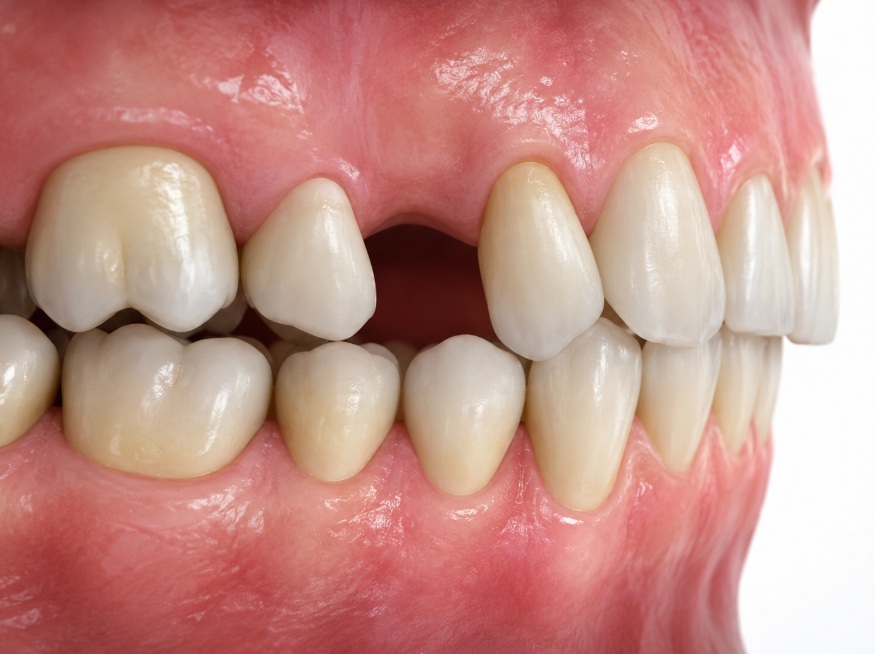
What a Dental Implant Replaces
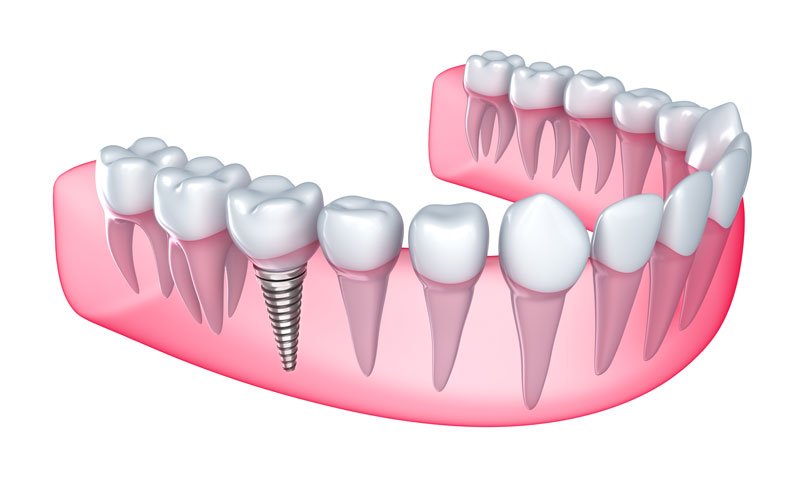
A dental implant replaces the missing tooth root.
The implant is placed in the jawbone. Once it heals and becomes stable, it can support a crown, bridge, or denture.
A dental implant restoration usually has a few parts:
- The implant in the bone
- The abutment that connects the implant to the restoration
- The crown, bridge, or denture on top
The visible tooth is only one part of the system.
The gums and bone underneath are just as important.
Implants Depend on Bone Support
Natural teeth are held in place by roots, ligaments, gums, and bone.
Dental implants are different. They connect directly with the jawbone. That bone support helps the implant stay stable.
If the bone around an implant stays healthy, the implant has a better foundation.
If inflammation affects the bone, the implant can become harder to maintain. In more serious cases, bone loss can threaten the implant’s stability.
That is why gum health around an implant matters so much.
Healthy Gums Create a Protective Seal
The gums around an implant help protect the deeper tissues.
Think of the gum tissue as a seal around the implant crown and abutment. When the gums are healthy, they help keep plaque and bacteria from moving deeper around the implant.
When plaque sits around the implant, the gums can become irritated.
You may notice:
- Bleeding when brushing
- Red gums around the implant
- Puffy gums
- Tenderness
- Bad taste
- Bad breath
- Food trapping
- Gum recession
- Discomfort when cleaning
These signs should not be ignored.
Bleeding around an implant is not normal just because the implant is not a natural tooth.
Implants Can Get Gum Problems Too
Many people are surprised to learn that implants can develop inflammation.
The early stage is often called peri-implant mucositis. This means the gum tissue around the implant is inflamed, but the bone may still be stable.
If the problem progresses and bone loss develops around the implant, it may be called peri-implantitis.
These conditions are not the same as a cavity.
They are more like gum and bone problems around an implant.
Risk factors can include:
- Plaque buildup
- Poor cleaning around the implant
- Previous gum disease
- Smoking
- Diabetes
- Heavy bite pressure
- Grinding or clenching
- Infrequent dental checkups
- Food trapping around the implant
- A restoration that is hard to clean
Early inflammation is usually easier to manage than advanced bone loss.
“No Cavities” Does Not Mean “No Care”
An implant crown cannot get a cavity.
That is true.
But plaque can still collect around it. Gums can still become inflamed. Bone can still be affected. The crown can still chip, loosen, or trap food. The bite can still put too much pressure on the implant.
This is why implants need ongoing maintenance.
Daily care should include:
- Brushing twice a day
- Cleaning carefully around the gumline
- Cleaning between the implant and nearby teeth
- Using floss, interdental brushes, or other tools if recommended
- Avoiding smoking
- Managing dry mouth if present
- Wearing a nightguard if recommended
- Keeping regular dental visits
The goal is to protect the foundation around the implant.
Cleaning Around Implants Can Be Different
Cleaning an implant may feel different from cleaning a natural tooth.
The shape of the crown, the space under the restoration, and the gumline can create areas where plaque collects. Some implants are easy to clean. Others need special tools.
Your hygienist may recommend:
- Implant-safe floss
- Floss threaders
- Interdental brushes
- Soft picks
- A water flosser
- A specific brushing angle
- More frequent cleanings
- Special home-care instructions
The best tool depends on the implant design and the spaces around it.
Do not guess. Ask your dental team to show you the exact area and tool.
Food Trapping Around an Implant Matters
Food trapping around an implant can be more than annoying.
If food gets stuck in the same spot again and again, it can irritate the gums and make cleaning harder. It may also point to a contact, shape, gum, or bite issue that should be checked.
Watch for:
- Food stuck after meals
- Floss catching or shredding
- Gum soreness near the implant
- Bleeding in one spot
- Bad taste
- Bad breath from the area
- Pressure near the implant crown
Do not keep digging at the area with sharp objects.
Bring it up at your visit.
Gum Disease History Matters
If you lost teeth because of gum disease, implant care becomes especially important.
A history of gum disease can increase the need for careful monitoring. The bacteria and inflammation patterns that affected natural teeth can also affect tissue around implants.
This does not mean implants are a bad option.
It means the maintenance plan matters.
Your dentist may recommend:
- More frequent cleanings
- Gum measurements around teeth and implants
- X-rays when needed
- Better home-care tools
- Smoking cessation support if relevant
- Bite protection if grinding is present
- Monitoring for early signs of inflammation
Implants can work well, but they need a healthy environment.
Smoking Can Affect Implant Health
Smoking can make healing and gum health more difficult.
It can also increase the risk of problems around implants. Smoking affects blood flow and the body’s ability to respond to infection and inflammation.
If you smoke and are thinking about implants, tell your dentist.
This helps your dental team explain risks and plan care properly.
If you already have implants, smoking makes regular maintenance even more important.
Bite Pressure Can Stress an Implant
Implants do not have the same shock-absorbing ligament that natural teeth have.
That means bite pressure needs to be checked carefully.
If an implant crown hits too hard, or if you grind or clench, the implant restoration may face extra stress. This can affect the crown, screw, abutment, bone, or nearby teeth.
Signs of heavy bite pressure may include:
- Chipped porcelain
- A loose crown
- Soreness when biting
- Jaw tightness
- Worn natural teeth
- Morning headaches
- Grinding or clenching history
Your dentist may recommend a nightguard if you grind or clench.
A healthy implant needs both clean gums and a balanced bite.
Dental Checkups Help Catch Problems Early
Implants should be checked regularly.
At a dental visit, your dentist or hygienist may assess:
- Gum health around the implant
- Bleeding
- Plaque buildup
- Pocket depths when appropriate
- Bone levels on X-rays when needed
- Crown fit
- Bite pressure
- Food traps
- Mobility
- Looseness
- Home-care effectiveness
You may feel fine even if early inflammation is present.
That is why implant maintenance visits matter.
Signs You Should Not Ignore
Book a dental visit if you notice changes around an implant.
Watch for:
- Bleeding when brushing
- Red or swollen gums
- Tender gums around the implant
- Bad taste
- Bad breath from one area
- Food trapping
- Gum recession
- Pus or drainage
- Pain when chewing
- A loose crown
- A clicking feeling
- A change in bite
- The implant feeling loose
A loose implant is not normal.
A loose crown may be repairable, but it still needs to be checked quickly.
How to Keep Implant Gums Healthy at Home
Implant care does not need to be complicated, but it does need to be consistent.
Try this:
- Brush twice daily with a soft toothbrush
- Brush carefully at the implant gumline
- Clean between teeth and implants daily
- Use the tools your hygienist recommends
- Drink water often
- Avoid smoking
- Avoid chewing ice or hard objects
- Wear a nightguard if recommended
- Keep regular dental cleanings
- Ask for help if the implant area is hard to clean
Small daily habits protect the tissue that holds the implant in place.
How Bronte Road Family Dental Can Help
Bronte Road Family Dental in Oakville can help patients care for dental implants and the gums around them.
Your dental team can check:
- Gum health
- Plaque buildup
- Bleeding
- Bone support
- Bite pressure
- Crown fit
- Food traps
- Cleaning challenges
- Signs of grinding or clenching
- Whether X-rays are needed
- Whether your home-care tools are working
If inflammation is found early, your dental team can help you adjust your routine before the problem becomes more difficult.
The goal is to protect the implant, the gums, and the bone around it.
The Bottom Line
Dental implants need healthy gums around them.
The implant cannot get a cavity, but the surrounding gum and bone can still become inflamed or infected. Plaque, food traps, smoking, gum disease history, and heavy bite pressure can all affect implant health.
Brush carefully. Clean between teeth and implants. Keep your dental visits. Ask your hygienist which tools fit your implant.
A dental implant is a strong restoration.
Healthy gums help keep it that way.
External Sources
Canadian Dental Association, Dental Implants: https://www.cda-adc.ca/en/oral_health/procedures/dental_implants/
American Academy of Periodontology, Peri-Implant Diseases: https://www.perio.org/for-patients/periodontal-treatments-and-procedures/dental-implant-procedures/peri-implant-diseases/
Ontario Dental Association, Gum Disease: https://www.oda.ca/oral-health-basics/oral-conditions-diseases/gum-disease/