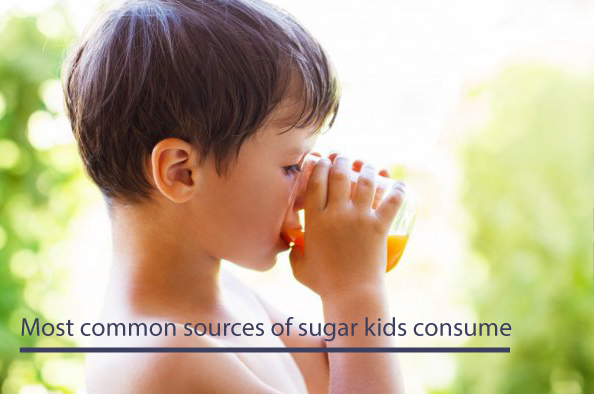
Most common sources of sugar kids consume
Are our kids consuming too much sugar—even in the snacks we think are healthy?
Recent public health statistics show a troubling rise in tooth decay among younger children. While sugar may taste great, it unfortunately has unfavorable effects on overall health—especially on developing teeth. Hidden sugars in everyday snacks can quietly increase the risk of cavities, even when those foods are marketed as “healthy.”
“If it tastes sweet, it affects teeth—no matter where the sugar comes from.”
Are kids getting too much sugar?
Studies show that children and teens today consume more than 40% above the recommended daily sugar intake. Protecting your child’s oral health should begin early—before damage starts.
“Healthy habits formed early last a lifetime.”
What do all kids love?
-
Juice
-
Soda
-
Sweet drinks marketed as “natural” or “healthy”
Unfortunately, juice and soda affect teeth in the same way. While juice may seem like a better choice, from a dental standpoint it still feeds harmful bacteria and increases cavity risk.
“Natural sugar is still sugar.”
Why juice isn’t as healthy as it seems
-
Fruit juice labels can be misleading
-
Even 100% natural sugar can harm teeth when consumed frequently
-
Juice boxes should not replace whole fruit servings
“Drinking fruit is not the same as eating fruit.”
Whole fruits are a much healthier option because they:
-
Contain fiber, which slows sugar absorption
-
Provide essential vitamins and nutrients
-
Require chewing, which stimulates saliva and protects enamel
Once children become used to sweet drinks, it becomes harder to introduce less sweet options.
Tip: If juice is given regularly, always dilute it with water.
How juice is served matters
Another major concern is how children drink juice.
-
Sippy cups and bottles allow sugar to coat the teeth
-
Juice stays in contact with teeth longer before swallowing
-
Some children hold bottles or cups in their mouths for extended periods
“Frequent sipping is worse than drinking it all at once.”
Over time, these habits can lead to:
-
Softening of tooth enamel
-
Increased risk of cavities
-
Early childhood tooth decay
Changing the habits early
“Baby teeth matter just as much as adult teeth.”
-
Primary (baby) teeth have thinner enamel and are more vulnerable
-
Damage to baby teeth can affect speech, eating, and future adult teeth
Healthy changes to encourage:
-
Transition to a regular open cup as early as possible
-
Limit juice to mealtimes only, not throughout the day
-
Encourage water between meals
“Small changes early make the biggest difference.”
Don’t forget regular dental visits
-
Routine dental checkups help prevent cavities
-
Dentists can monitor early signs of enamel weakening
-
Early intervention prevents more serious problems later
“Prevention is always easier than treatment.”