
The Difference Between Surface Stains and Deeper Tooth Colour
Sometimes the colour sits on the outside of your teeth. Sometimes the colour comes from deeper inside the tooth. That difference matters because the right treatment depends on the cause.
You may think you need whitening. But you may need a cleaning first. Or you may have natural tooth colour that whitening toothpaste will not change much. You may also have older bonding, crowns, or fillings that no longer match the rest of your smile.
At Bronte Road Family Dental in Oakville, we often explain it this way. Tooth colour is not just about “white” or “yellow.” It is about where the colour is coming from.
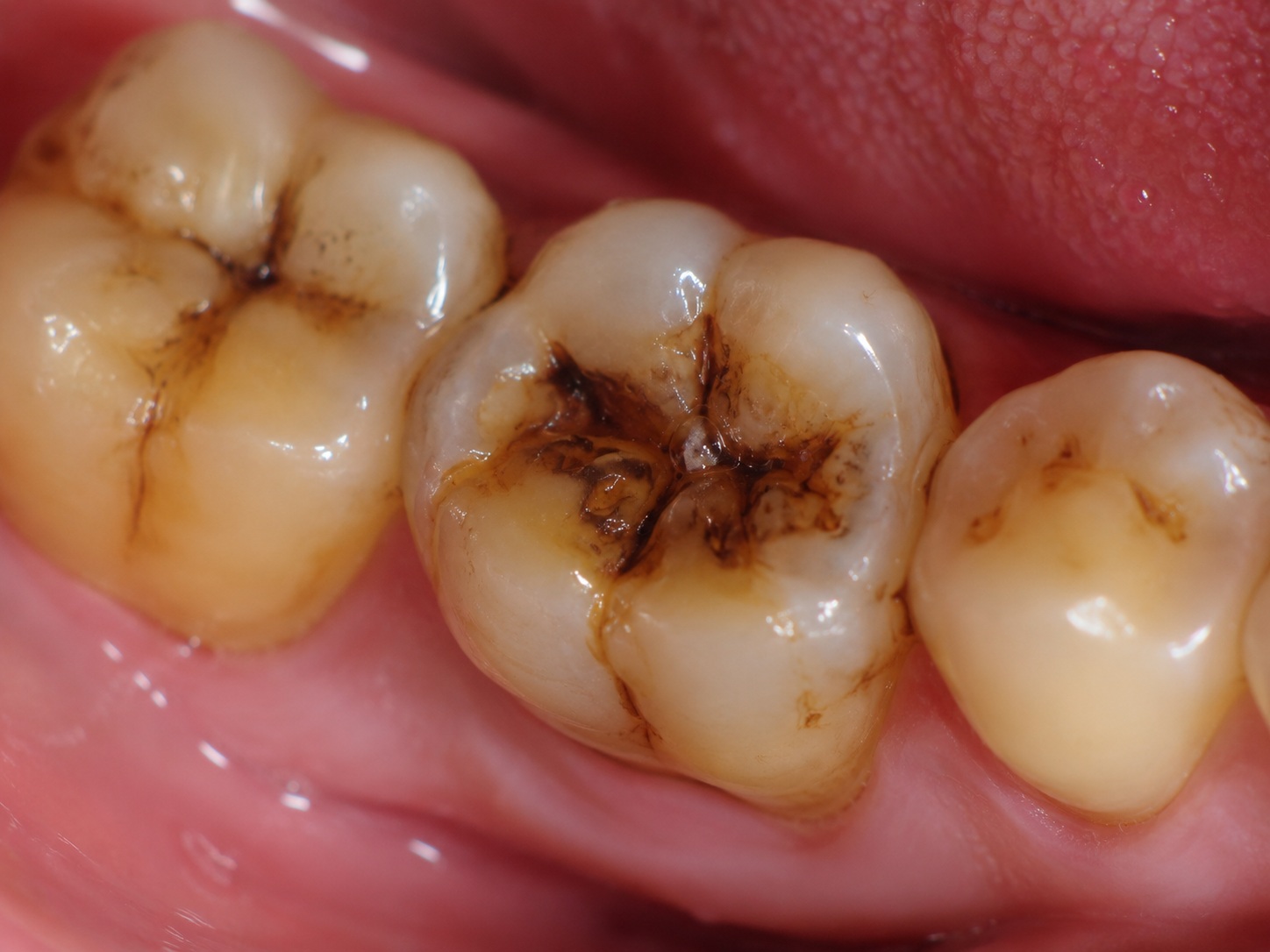
What Are Surface Stains?
Surface stains sit on the outside of your teeth.
Dentists often call these extrinsic stains. They affect the enamel, which is the outer layer of the tooth.
Surface stains often come from foods, drinks, and habits that leave colour behind. These stains can collect faster when plaque or tartar is present.
Common causes include:
- Coffee
- Tea
- Red wine
- Cola
- Dark sauces
- Berries
- Curry
- Smoking or vaping
- Plaque buildup
- Tartar near the gumline
Surface stains may make your teeth look dull, yellow, brown, or darker between teeth.
Why Surface Stains Build Up
Your enamel may look smooth, but it still has tiny texture. Stains can cling to that texture.
Plaque makes it worse.
Plaque is a sticky film of bacteria that forms on your teeth every day. If plaque stays on your teeth, stain has more to stick to. If plaque hardens into tartar, the stain can become even more noticeable.
Tartar often appears near the gumline or between teeth. It can look yellow or brown. You cannot brush tartar off at home. A dental hygienist needs to remove it during a professional cleaning.
What Is Deeper Tooth Colour?
Not all yellow teeth are the same.
Deeper tooth colour comes from inside the tooth.
Dentists often call this intrinsic colour or intrinsic staining. It affects the dentin, which sits under the enamel.
Dentin is naturally more yellow than enamel. When enamel is thinner, more dentin shows through. That can make teeth look warmer or yellower, even when they are clean.
Deeper tooth colour can come from:
- Natural tooth shade
- Thinner enamel
- Aging
- Tooth trauma
- Some medications
- Developmental changes in enamel
- Old dental work
- Internal tooth changes after injury or infection
This kind of colour does not always brush away because it is not sitting on the surface.
Yellow Does Not Always Mean Dirty
This is important.
Yellow teeth do not always mean poor brushing.
Some people naturally have warmer tooth colour. Some people have thinner enamel. Some people have teeth that look more yellow because of age, acid exposure, or grinding.
A clean tooth can still be slightly yellow.
That is why a dental exam helps. Your dentist or hygienist can tell whether the colour comes from surface stain, tartar, enamel thickness, or deeper tooth structure.
Why Whitening Toothpaste Has Limits
Whitening toothpaste can help with some surface stains.
It can polish away light stain from coffee, tea, or food. But it does not change every type of tooth colour.
If the colour comes from deeper dentin, enamel thinning, trauma, or older dental work, whitening toothpaste may not give you the result you want.
Also, whitening toothpaste does not remove tartar. If stain is stuck to tartar, you need a professional cleaning first.
Whitening Does Not Work on Everything
Whitening products work on natural tooth structure.
They do not whiten dental materials the same way.
That means whitening may not change the colour of:
- Crowns
- Veneers
- Fillings
- Dental bonding
- Bridges
- Implant crowns
- Dentures
This can create a mismatch. Your natural teeth may whiten, but your crown or bonding may stay the same colour.
If you have visible dental work, ask your dentist before whitening. You may need a plan that keeps your smile looking even.
Cleaning and Whitening Are Not the Same
A dental cleaning removes plaque, tartar, and many surface stains.
Whitening changes the shade of natural teeth.
They are not the same treatment.
If your teeth look yellow because of tartar or surface stain, a cleaning may make them look brighter. If your teeth are clean but naturally darker, whitening may help more.
What a Dental Cleaning Can Do
A professional cleaning can help remove:
- Plaque
- Tartar
- Stain near the gumline
- Stain between teeth
- Surface buildup from coffee, tea, wine, or soda
A cleaning also helps your gums. It is not only cosmetic.
If your gums bleed, your breath feels stale, or you see yellow or brown buildup near the gumline, start with a dental visit before buying whitening products.
What Whitening Can Do
Whitening can help lighten natural tooth colour.
It may help with some surface and deeper stains, depending on the cause. But the result varies from person to person.
Whitening may not work well if the colour comes from:
- Thin enamel
- Grey discolouration
- Trauma
- Certain medication-related stains
- Old dental work
- Tooth decay
- Exposed root surfaces
That is why it is better to understand the cause before you start.
When Colour Changes Need Attention
Some tooth colour changes are harmless.
Others need a dental check.
Book a dental visit if you notice:
- One tooth suddenly looks darker
- A tooth turns grey, brown, or black
- A stain does not improve after cleaning
- Yellow or brown buildup near the gumline
- White, brown, or dark spots on one tooth
- Sensitivity that keeps coming back
- A rough or chipped tooth edge
- Colour changes around a filling or crown
- Gums that bleed when brushing or flossing
One dark tooth can mean something different than general staining. It may point to trauma, nerve changes, decay, or an old restoration that needs attention.
Do not try to whiten a tooth that may need treatment first.
How Bronte Road Family Dental Can Help
If you are not sure whether you have surface stains or deeper tooth colour, Bronte Road Family Dental in Oakville can help you figure it out.
Your dental team can check your:
- Enamel
- Dentin shade
- Plaque and tartar levels
- Gum health
- Fillings
- Crowns
- Bonding
- Veneers
- Areas where stains collect
- Signs of cavities or enamel wear
A professional cleaning may be the first step. It can remove buildup and show your true tooth shade more clearly.
After that, your dentist can explain whether whitening makes sense. They can also help you avoid uneven results if you have crowns, veneers, bonding, or fillings.
The goal is not to chase an artificial shade.
The goal is to keep your smile clean, healthy, and natural-looking.
The Bottom Line
Surface stains and deeper tooth colour are different.
Surface stains sit on the outside of the tooth. They often come from coffee, tea, wine, soda, plaque, and tartar.
Deeper tooth colour comes from inside the tooth. It may relate to dentin, enamel thickness, age, trauma, medications, or old dental work.
A cleaning can remove plaque, tartar, and many surface stains. Whitening can lighten natural tooth colour, but it does not work the same way on every tooth or on dental restorations.
Before you spend money on whitening products, find out what kind of colour change you have.
That step can save time, money, and frustration.
External Sources
Cleveland Clinic, Tooth Discoloration: https://my.clevelandclinic.org/health/symptoms/10958-tooth-discoloration
American Dental Association, Whitening: https://www.ada.org/resources/ada-library/oral-health-topics/whitening
Canadian Dental Association, Flossing and Brushing: https://www.cda-adc.ca/en/oral_health/cfyt/dental_care/flossing_brushing.asp
FAQ
What is the difference between surface stains and deeper tooth colour?
Surface stains sit on the outside enamel. Deeper tooth colour comes from inside the tooth, often from dentin, enamel thickness, trauma, age, or medication-related changes.
Can brushing remove surface stains?
Good brushing can help reduce light surface stains, especially when paired with flossing and regular cleanings. But brushing cannot remove tartar or deeper tooth colour.
Can a dental cleaning make teeth look whiter?
Yes. A cleaning can remove tartar and many surface stains. This can make teeth look brighter, even though it is not the same as whitening.
Does whitening toothpaste work on deeper tooth colour?
Whitening toothpaste mainly helps with surface stains. It usually does not change deeper tooth colour in a major way.
Why is one tooth darker than the others?
One darker tooth may be caused by trauma, nerve changes, decay, an old filling, or a previous dental issue. It should be checked by a dentist.
Can crowns or fillings be whitened?
No. Whitening products do not change crowns, veneers, fillings, bonding, bridges, or implant crowns the same way they change natural teeth.