The Real Reason Your Breath Changes After Lunch
Your breath feels fine in the morning.
Then lunch happens.
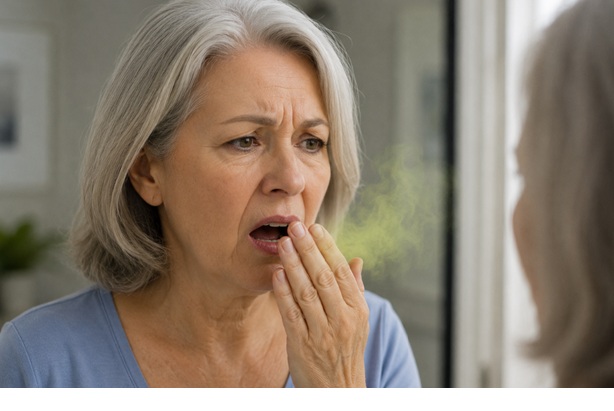
Maybe you have coffee, a sandwich, pasta, salad dressing, onions, garlic, or something sweet. A few hours later, your mouth feels different. Your breath does not feel as fresh. You may reach for gum or a mint and hope no one notices.
You are not imagining it.
Your breath can change after lunch because your mouth changes after lunch. Food particles sit around your teeth. Bacteria become more active. Saliva changes. Your tongue holds onto debris. Coffee and dry mouth can make everything worse.
Most of the time, this is normal. But sometimes, bad breath that keeps coming back points to plaque buildup, gum inflammation, cavities, dry mouth, or another dental issue.
At Bronte Road Family Dental in Oakville, we often tell patients that breath is not just about what you ate. It is also about what stays behind after you eat.
Why Lunch Can Change Your Breath
Lunch gives bacteria in your mouth new fuel.
When you eat, small food particles can stay between your teeth, around your gumline, and on your tongue. Bacteria break down those particles. That process can create odour.
Mayo Clinic explains it simply: “The breakdown of food particles in and around your teeth can lead to more bacteria and cause a foul odor.”
That is the basic reason your breath may change after lunch, even if you brushed well in the morning.
Your mouth is active all day. It is not a clean, sealed space after breakfast. Every meal changes the balance of food particles, bacteria, saliva, acids, and plaque.
That is why your breath can feel fresh in the morning but less fresh by mid afternoon.
Some Foods Leave a Stronger Smell
Certain foods affect breath more than others.
Garlic, onions, spices, coffee, tuna, dairy, sugary snacks, and sticky carbs can leave your mouth smelling different. Some foods leave particles behind. Others create smells after digestion, then those smells can come back through your breath.
Coffee can make the problem worse because it can dry your mouth. That matters because saliva helps wash away food particles and bacteria. When your mouth gets dry, odour can feel stronger.
A sugary coffee drink can cause a double problem. It can dry your mouth and feed bacteria at the same time.
That does not mean you can never enjoy coffee or flavourful foods. It just means your mouth may need a little help after lunch.
Plaque Plays a Bigger Role Than Most People Think
Your mouth always has bacteria. That is normal.
The problem starts when bacteria build up in plaque. Plaque is the sticky film that forms on your teeth and along your gums. It can trap food particles and create a place where bacteria can grow.
If plaque and tartar are part of the problem, a professional teeth cleaning appointment can remove buildup that brushing and flossing cannot fully remove at home.
If you brush in the morning but skip flossing, food can still sit between your teeth after lunch. Your toothbrush does not reach every tight space. That is one reason breath can change by mid afternoon.
Plaque near the gumline can also hold odour. You may not see it easily, but your breath may give you a clue that something is building up.
Your Tongue Matters Too
Many people brush their teeth but ignore their tongue.
That is a mistake.
Your tongue has small grooves and texture that can hold bacteria, food debris, and dead cells. This buildup can create a coating. It can also affect breath.
Cleveland Clinic notes that when bad breath relates to plaque buildup, a dental cleaning and better home care can help. It also says it is especially important to clean your tongue because bacteria and food debris can hide there.
You do not need to scrub hard. A gentle tongue scraper or your toothbrush can help. Clean from the back toward the front. Rinse after.
If your breath changes after lunch, do not only think about your teeth. Think about your tongue too.
Dry Mouth Makes Lunch Breath Worse
Saliva protects your mouth all day.
It helps rinse away food particles. It helps balance acids. It keeps tissues moist. It also helps control bacteria.
When saliva drops, breath can change fast.
Dry mouth can happen after coffee, dehydration, mouth breathing, certain medications, stress, alcohol, vaping, or long gaps without water. It can also happen if you talk a lot during the day.
A dry mouth gives food particles and bacteria more time to sit. That can make your breath feel stale after lunch.
This is one reason a mint may not fix the problem for long. If your mouth is dry, you need to support saliva, not just cover the smell.
Water Helps More Than Mints
Mints can hide odour for a short time. They do not solve the cause.
Some mints also contain sugar, which can feed bacteria. That can make the problem come back.
Water is a better first step. Drink water with lunch. Rinse your mouth with water after eating. This helps move food particles away from your teeth and tongue.
Sugar free gum can also help because chewing stimulates saliva. Choose sugar free gum, not candy or sugary mints.
A simple glass of water after lunch may do more for your breath than another mint.
Why Brushing Alone May Not Fix It
Brushing matters. But brushing alone does not clean everything.
Your toothbrush cleans tooth surfaces. It does not fully clean between teeth. It may miss the gumline if you brush too fast. It may not clean your tongue unless you make that part of your routine.
That is why you can brush in the morning and still notice breath changes after lunch.
The Canadian Dental Association says flossing reaches places your toothbrush cannot and removes bacteria that can cause bad breath.
That is the part many people skip.
If food keeps getting stuck in one area, mention it at your next dental visit. Sometimes tight contacts, open spaces, older dental work, or a cavity can make food trapping worse. If decay is found, your dentist may recommend dental fillings to restore the tooth and help prevent the problem from getting worse.
Your Evening Routine Affects Your Next Afternoon
Bad breath after lunch does not always start at lunch.
It can start the night before.
If plaque and food particles stay in your mouth overnight, bacteria have hours to grow. You may brush in the morning and feel fresh, but some buildup can remain between teeth or under the gumline.
By lunch, the smell can return.
A strong nighttime routine helps. Brush for 2 to 3 minutes. Floss once a day. Clean your tongue. Avoid going to bed with food stuck between your teeth.
Think of your evening routine as preparation for the next day. A cleaner mouth at night often means a fresher mouth the next afternoon.
When Bad Breath Means Something More
Breath that changes after a meal is common.
Breath that stays bad most days needs attention.
You should book a dental visit if:
- Your breath stays unpleasant even after brushing and flossing
- Your gums bleed
- Your mouth feels dry often
- You see tartar near the gumline
- You have a bad taste that does not go away
- Chewing feels sore
- Food keeps getting stuck in the same area
- You notice swelling, pain, or sensitivity
These signs can point to gum inflammation, tartar buildup, cavities, infections, dry mouth, or problems around older dental work.
Statistics Canada reported in 2024 that 26% of Canadians had oral pain or avoided eating certain foods because of problems with their mouth. In 2025, Statistics Canada also reported that 24% of Canadians aged 12 and older avoided seeing an oral health professional at least once in the previous year because of cost.
That matters because small issues can become bigger when people delay care.
If you are worried about fees, you can review general dental treatment costs or ask the team about dental insurance and billing before your appointment.
Breath changes are not always serious, but they can be an early clue.
How to Keep Your Breath Fresher After Lunch
You do not need a complicated routine.
You need a few habits that work in real life.
Try this:
- Drink water with lunch
- Rinse your mouth with water after eating
- Chew sugar free gum for a few minutes
- Avoid sipping sweet coffee or pop for hours
- Clean your tongue every day
- Floss once a day
- Brush twice a day with fluoride toothpaste
- Book regular dental cleanings
If you can brush after lunch, wait about 30 minutes after acidic foods or drinks. This gives your enamel time to recover before brushing.
Acidic foods and drinks can include citrus, pop, wine, sports drinks, and vinegar-based salad dressing.
A Simple Lunch Breath Routine
Here is a simple routine you can actually keep.
After lunch, drink water.
Swish gently and swallow or spit.
Use floss picks if food gets stuck between your teeth.
Chew sugar free gum if your mouth feels dry.
Brush later if you have access to a toothbrush.
That small routine helps remove food particles, supports saliva, and reduces the bacteria that cause odour.
You do not need to make this perfect. You just need to make it consistent.
How Bronte Road Family Dental Can Help
If your breath changes after lunch once in a while, it is usually not a big deal.
If it happens every day, or if you feel self conscious about it, you can book a dental visit to help find the cause.
At Bronte Road Family Dental in Oakville, your dental team can check for plaque, tartar, gum inflammation, cavities, dry mouth, and areas that are hard for you to clean at home.
If your bad breath comes with swelling, pain, a bad taste, or sudden dental discomfort, emergency dental care may be needed.
A professional cleaning can remove buildup that brushing and flossing cannot remove on their own. Your dentist or hygienist can also use advanced dental technology to better assess your oral health and explain what is happening in your mouth.
Your dentist or hygienist can also help you choose the right tools. That may include floss, floss picks, interdental brushes, a tongue scraper, fluoride toothpaste, or dry mouth products.
If you are new to the office, your first visit can include a full review of your oral health, your concerns, and the best next steps for your smile.
The goal is not to cover up bad breath. The goal is to fix what is causing it.
The Bottom Line
Your breath changes after lunch because food, bacteria, plaque, saliva, and your tongue all play a role.
Lunch does not just feed you. It also feeds the bacteria in your mouth.
Water helps. Flossing helps. Tongue cleaning helps. Regular dental cleanings help too.
If bad breath keeps coming back, do not just mask it with mints. Look for the cause.
Your breath is giving you information. Pay attention to it.
If you are concerned about ongoing bad breath, you can contact Bronte Road Family Dental and ask about your next step.
External Sources
Canadian Dental Association, Your Oral Health
Mayo Clinic, Bad Breath Symptoms and Causes
Cleveland Clinic, Bad Breath, Halitosis
Statistics Canada, Canadian Oral Health Survey Findings
FAQ
Why does my breath smell bad after lunch?
Your breath can smell different after lunch because food particles stay around your teeth, gums, and tongue. Bacteria break down those particles and can create odour.
Why does coffee make my breath worse?
Coffee can dry your mouth, and dry mouth can make odour stronger. If you add sugar or cream, bacteria also get more fuel.
Is bad breath after eating normal?
Yes, it can be normal after certain meals. Garlic, onions, spices, coffee, dairy, and sugary foods can all affect breath. But breath that stays bad most days should be checked.
Can flossing help bad breath?
Yes. Flossing removes food and bacteria from between your teeth, where your toothbrush cannot reach well. Skipping floss can make breath worse.
Should I brush my teeth right after lunch?
You can brush after lunch, but wait about 30 minutes if you had acidic foods or drinks, such as citrus, pop, wine, or vinegar-based dressing. Rinse with water first.
When should I see a dentist for bad breath?
See a dentist if bad breath keeps coming back, your gums bleed, you have a bad taste, your mouth feels dry often, or brushing and flossing do not help.