
What Is a Cavity? Everything You Need to Know About Tooth Decay
A cavity is one of the most common health problems in both children and adults—but it’s also one of the most preventable.
Many cavities develop silently, causing little or no discomfort until they become larger. By the time you notice pain, the decay may have already reached the deeper layers of the tooth.
At Bronte Road Family Dental in Oakville, we focus on preventing cavities whenever possible and detecting them early, when treatment is often simpler and more conservative.
What Is a Cavity?
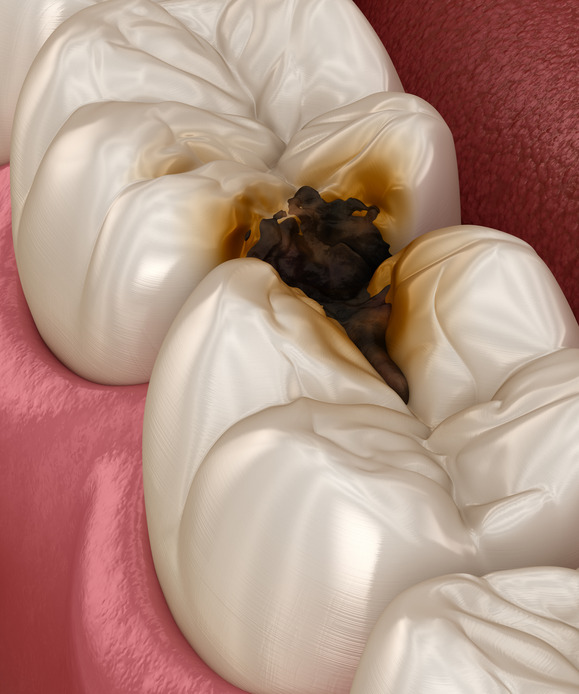
A cavity is a permanently damaged area in a tooth caused by tooth decay.
Tooth decay occurs when bacteria in dental plaque feed on sugars and starches from the foods and drinks you consume. As they digest these carbohydrates, they produce acids that slowly dissolve the minerals in your tooth enamel.
If this process continues, the enamel weakens until a small hole forms in the tooth. That hole is called a cavity.
Without treatment, decay can spread deeper into the tooth and eventually affect the nerve.
What Causes Cavities?
Several factors work together to increase your risk of tooth decay.
These include:
- Dental plaque buildup
- Frequent sugary snacks or drinks
- Poor brushing and flossing habits
- Dry mouth
- Frequent acidic foods and beverages
- Limited fluoride exposure
- Certain medications and medical conditions
- Previous history of cavities
Genetics may also influence enamel strength and cavity risk, but good oral hygiene and a healthy diet remain some of the most important protective factors.
Types of Cavities
Dentists commonly diagnose three main types of cavities.
Coronal Cavities
These are the most common.
They usually develop:
- On the chewing surfaces of molars
- Between teeth
- On smooth tooth surfaces where plaque accumulates
Both children and adults can develop coronal cavities.
Root Cavities
As gums naturally recede with age or because of gum disease, the roots of the teeth become exposed.
Since root surfaces are not protected by enamel, they are more vulnerable to decay.
Root cavities are more common in adults, particularly those with dry mouth.
Dry mouth may be caused by:
- Certain medications
- Medical conditions
- Radiation therapy
- Chemotherapy
- Reduced saliva production with age
Recurrent Cavities
New decay can sometimes develop around existing fillings, crowns, or other restorations.
These areas may trap plaque and become difficult to clean thoroughly.
Regular dental examinations help identify recurrent decay before it becomes extensive.
How Do You Know If You Have a Cavity?
Early cavities often cause no symptoms.
As decay progresses, you may notice:
- Tooth sensitivity
- Pain when eating sweets
- Pain with hot or cold foods
- Pain when biting
- A visible hole in the tooth
- Brown, black, or white spots
- Persistent toothache
Only a dental examination—and, when appropriate, dental X-rays—can determine whether a cavity is present and how extensive it is.
Where Do Cavities Usually Form?
Cavities are most likely to develop:
- In the deep grooves of back teeth
- Between teeth
- Around existing fillings or crowns
- On exposed root surfaces where gums have receded
These are areas that are often difficult to clean thoroughly with brushing alone.
What Happens If a Cavity Is Left Untreated?
Cavities do not heal on their own once a hole has formed.
Without treatment, decay may continue to spread deeper into the tooth.
As the cavity becomes larger, treatment may progress from:
- A small filling
- To a larger filling or onlay
- To a dental crown
- To root canal treatment if the nerve becomes infected
- To extraction if the tooth can no longer be restored
Treating cavities early is usually simpler, less invasive, and less costly.
How Can You Prevent Cavities?
Fortunately, most cavities are preventable.
Healthy habits include:
- Brush twice daily with fluoride toothpaste.
- Floss every day.
- Limit sugary snacks and drinks.
- Eat sweets with meals instead of frequent snacking.
- Drink fluoridated water when available.
- Visit your dentist regularly for examinations and professional cleanings.
- Ask your dentist whether fluoride treatments or dental sealants are appropriate.
Even small improvements in your daily routine can significantly reduce your risk.
How Bronte Road Family Dental Can Help
At Bronte Road Family Dental, prevention is the foundation of everything we do.
Regular examinations, digital X-rays, professional cleanings, and personalized oral hygiene advice allow us to detect cavities early and recommend the most conservative treatment possible.
If a cavity is found, we’ll explain your options clearly and work with you to restore your tooth while preserving as much healthy tooth structure as possible.
Frequently Asked Questions
Can cavities heal on their own?
Very early enamel demineralization may sometimes be reversed with fluoride and improved oral hygiene. Once a true cavity forms, however, it usually requires dental treatment.
Do cavities always hurt?
No. Many cavities cause no discomfort until they become larger or reach the inner layers of the tooth.
Can adults get cavities?
Yes. Adults remain at risk throughout life, especially if they have dry mouth, gum recession, or existing dental restorations.
How often should I have my teeth checked?
Many patients benefit from dental examinations every six months, although your dentist may recommend a different schedule based on your individual risk.
What is the best way to prevent cavities?
Brushing twice daily with fluoride toothpaste, flossing every day, limiting sugary snacks, and attending regular dental checkups remain the most effective ways to prevent tooth decay.
Early Detection Makes a Big Difference
Cavities usually develop slowly, giving your dentist the opportunity to detect them before they become painful or require more extensive treatment.
With good oral hygiene, a balanced diet, fluoride, and regular dental visits, most people can significantly reduce their risk of tooth decay and keep their natural teeth healthy for many years.
If you’re concerned about a cavity or it’s time for your next checkup, the team at Bronte Road Family Dental in Oakville is here to help.
References
- Canadian Dental Association – Tooth Decay and Prevention
- American Dental Association – MouthHealthy: Cavities
- National Institute of Dental and Craniofacial Research – Tooth Decay