A salt water mouth rinse is one of the simplest home remedies for soothing minor mouth discomfort. Whether you’re recovering from a tooth extraction, dealing with irritated gums, or have a small mouth sore, rinsing with warm salt water may help keep your mouth clean while supporting your body’s natural healing process.
At Bronte Road Family Dental in Oakville, we often recommend salt water rinses after certain dental procedures because they are inexpensive, easy to prepare, and gentle on healing tissues. However, they should be viewed as a supportive treatment—not a replacement for brushing, flossing, or professional dental care.
Here’s what you should know about salt water rinses, when they can help, and how to use them safely.
Why Have Salt Water Rinses Been Used for So Long?
Salt has been used for thousands of years for food preservation and wound care. Historical records from ancient Egypt and Greece describe its use in treating wounds and reducing inflammation long before modern medicine existed.
Today, dentists continue to recommend salt water rinses because they are a safe and effective way to gently cleanse the mouth during healing.
Although salt water is not a disinfectant in the same way as prescription mouth rinses, it can help reduce debris, soothe irritated tissues, and create an environment that supports healing.
How Does a Salt Water Mouth Rinse Work?
Warm salt water works in several ways.
It helps:
- Rinse away food particles and bacteria.
- Keep the mouth clean while tissues heal.
- Reduce mild swelling.
- Soothe sore or irritated gums.
- Relieve discomfort from minor mouth ulcers or canker sores.
Salt water also creates a temporary environment that is less favourable for many oral bacteria. While it does not eliminate harmful bacteria completely, it may help reduce bacterial growth when used alongside good oral hygiene.
Most importantly, the warm water increases comfort while gently cleaning areas that may be too sensitive for vigorous brushing.
When Is a Salt Water Rinse Helpful?
A warm salt water rinse may be recommended for:
- After tooth extractions (starting about 24 hours after the procedure unless instructed otherwise)
- After certain gum treatments
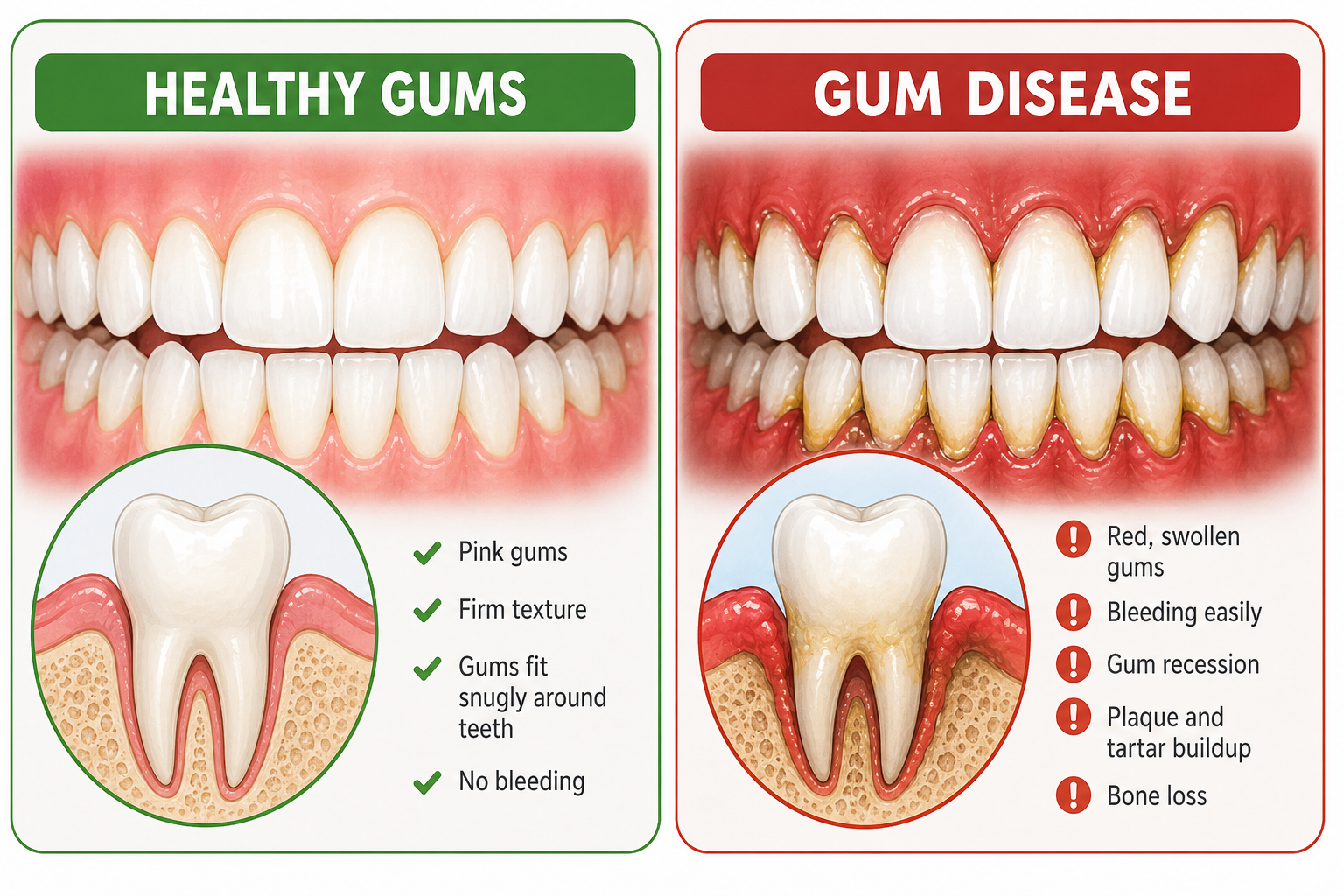
- Mild gum irritation
- Canker sores
- Minor mouth injuries
- Sore throat
- Food trapped around healing tissues
- Mild inflammation around erupting wisdom teeth
It can also be useful for people wearing braces when the inside of the cheeks becomes irritated.
However, if you experience severe pain, significant swelling, pus, fever, or persistent bleeding, a salt water rinse alone is not enough. These symptoms should be evaluated by a dentist promptly.
How to Make a Salt Water Mouth Rinse
Making a salt water rinse takes less than a minute.
You’ll need:
- 1 cup (240 mL) of warm water
- ½ teaspoon of table salt
Mix until the salt has completely dissolved.
Take a small sip, gently swish it around your mouth for 30 to 60 seconds, then spit it out.
Do not swallow the rinse.
Freshly prepared salt water is best. Make a new batch each time you use it.
How Often Should You Use It?
The right frequency depends on why you’re using it.
Many dentists recommend:
- Three to four times a day for mild gum irritation or mouth sores.
- Every few hours during the first day or two if recommended after certain dental procedures.
- After meals to help remove food debris from healing areas.
Unless instructed by your dentist, salt water rinses are usually intended for short-term use while tissues heal.
Tips for Using Salt Water Safely
For the best results:
- Use warm—not hot—water.
- Swish gently, especially after oral surgery.
- Follow your dentist’s instructions after extractions or other procedures.
- Continue brushing and flossing where appropriate.
- Avoid adding extra salt. A stronger solution does not work better and may irritate sensitive tissues.
If you’ve recently had a tooth extracted, avoid vigorous rinsing during the first 24 hours because it may interfere with the healing blood clot.
What Salt Water Cannot Do
Salt water rinses are helpful, but they do have limitations.
They cannot:
- Treat dental infections.
- Cure gum disease.
- Repair cavities.
- Replace antibiotics when they are needed.
- Replace regular brushing and flossing.
If symptoms continue for more than a few days or become worse, it’s important to schedule a dental examination to identify the underlying cause.
How Bronte Road Family Dental Can Help
At Bronte Road Family Dental, we want our Oakville patients to recover comfortably after dental treatment and maintain healthy smiles every day.
If you’re experiencing mouth pain, gum irritation, or have questions about caring for your mouth after a dental procedure, our team can recommend the most appropriate home care based on your individual needs.
Sometimes a simple salt water rinse is all that’s needed. Other times, additional treatment may be necessary to address the underlying problem.
Frequently Asked Questions
Can I use salt water every day?
Occasional use is generally safe for most people, but salt water rinses are usually intended for short-term use unless your dentist recommends otherwise.
Is salt water better than mouthwash?
They serve different purposes. Salt water is often recommended during healing because it is gentle, while antimicrobial mouthwashes may be prescribed for specific conditions. Your dentist can recommend the best option for your situation.
Can salt water cure gum disease?
No. Salt water may temporarily reduce irritation and help keep the mouth clean, but professional treatment and good daily oral hygiene are necessary to manage gum disease.
When should I start rinsing after a tooth extraction?
Most dentists recommend waiting about 24 hours before using a salt water rinse, unless instructed differently.
Can children use a salt water rinse?
Older children who can safely swish and spit without swallowing may use a salt water rinse under adult supervision. Younger children should not use it unless advised by a healthcare professional.
A Simple Home Remedy That Supports Healing
A warm salt water mouth rinse is an easy, affordable way to soothe minor irritation and support healing after many dental procedures. While it isn’t a cure for dental disease, it can be a valuable part of your home care routine when used correctly.
If your symptoms don’t improve, become worse, or you’re unsure what’s causing your discomfort, the team at Bronte Road Family Dental – Oakville dentist is here to help you find the right treatment and keep your smile healthy.
References
- American Dental Association – MouthHealthy: Caring for Your Mouth After Dental Treatment
- Canadian Dental Association – Oral Health Resources
- Health Canada – Oral Health Information