
What is dental veneer?
As veneers become more common in dentistry, many patients start by asking the same question: how much do they cost? In general, there are two main options—porcelain veneers and composite resin veneers (which can be done directly in the office or indirectly through a lab). One is typically more expensive than the other.
Porcelain veneers usually cost more than composite veneers, but they also tend to last longer—often about 10–15 years with proper care. Both options can fall into different price ranges depending on several factors, including:
-
Where you have the treatment done
-
Who is providing the service (general dentist vs. specialist)
-
The material you choose
-
The number of teeth being treated
It’s also important to know that most private insurance plans don’t cover cosmetic dentistry, although it’s always worth double-checking your benefits to see what you may be eligible for. For larger cases, our office may offer payment plan options to help make treatment more manageable.
Before any veneer treatment begins, a consultation is essential to confirm whether you’re a good candidate. This step-by-step planning process lets you review the full procedure with your dentist, including your goals for shade, shape, length, and overall smile design.
Because veneer treatment is typically irreversible, it’s important to understand each stage and feel comfortable asking questions before moving forward.
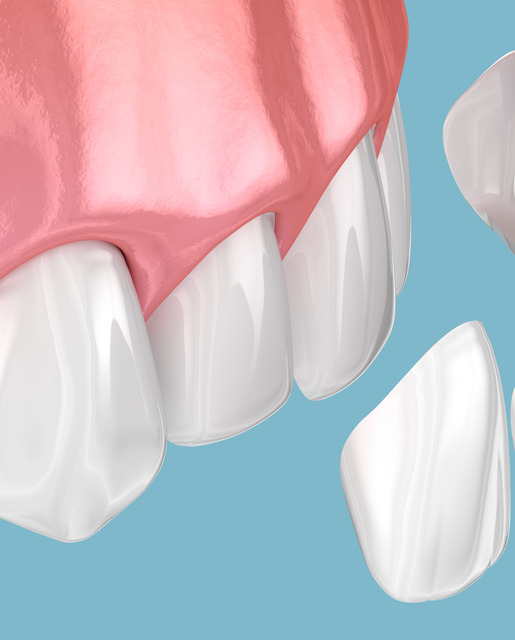
How to make a dental veneer?
The veneer process itself is usually straightforward and not overly time-consuming, and it is typically completed over two appointments within about six weeks. Each visit is scheduled with enough time to properly prepare the tooth or teeth, although the exact length of the appointment can vary depending on the dental team and the number of veneers being placed.
Before treatment begins, a thorough dental examination is completed to identify and address any underlying oral health concerns, such as gum inflammation, that should be treated first. During this planning stage, your personal preferences—including shape, shade, and overall smile goals—are carefully discussed.
Advanced imaging and smile-preview technology may be used to help you visualize the expected outcome before treatment starts. Your dentist may also take before-and-after photos to highlight the transformation and ensure the final result meets your expectations.
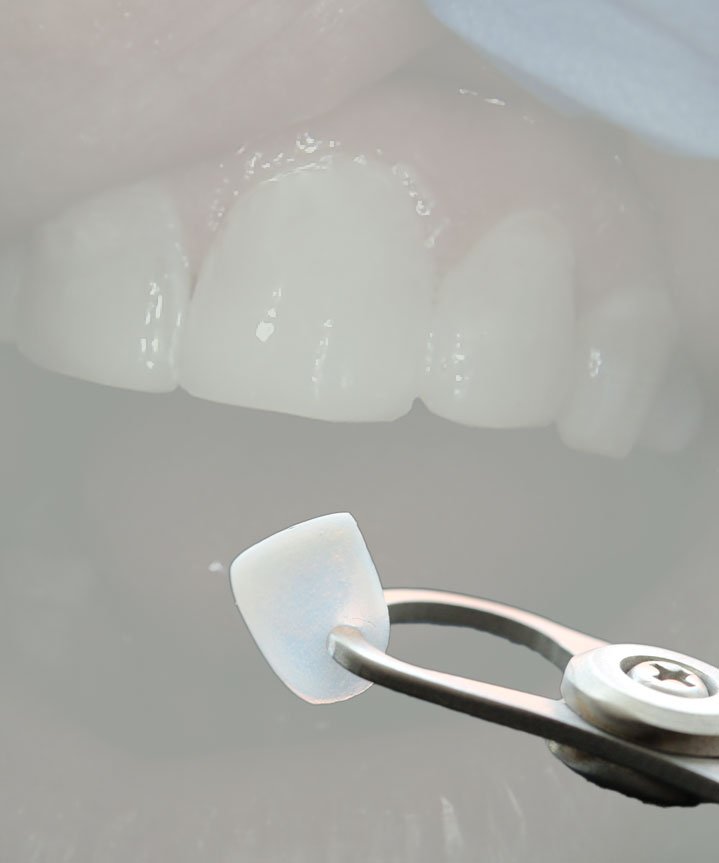
How veneers are made
The first step of the veneer procedure involves your dentist administering local anesthetic (freezing) to minimize any discomfort. Once the area is numb, the dentist carefully prepares the tooth by removing a very small amount of enamel and reshaping the surface to ensure a proper fit.
Next, the veneer process continues based on the material selected:
-
Composite veneers are shaped and bonded directly to the tooth using the shade you’ve chosen.
-
Porcelain veneers require an impression of your teeth, which is sent to a dental laboratory where the veneers are custom-crafted before being returned for final placement.
Once ready, the shape and length of each veneer are refined to match the personalized treatment plan created for your new smile.
If a dental laboratory is involved, your dentist may place temporary veneers while the final veneers are being made. Because a small amount of enamel has been removed, temporary veneers can sometimes cause temporary sensitivity. They aren’t necessary for every patient, but they can offer a helpful preview of the final result.
In some cases, dentists use CAD/CAM technology, allowing veneers to be designed, fabricated, and placed in a single visit, eliminating the need for temporary veneers altogether.
Instructions for Caring for Dental Veneers
With proper care, dental veneers can last many years. Maintaining regular dental visits for professional cleanings and routine examinations is essential to keep both your veneers and natural teeth healthy.
As with any dental treatment, damage can occur over time. Veneers can fracture or chip, and unlike natural teeth, damaged veneers cannot be repaired—they must be replaced. If this happens, your dentist will guide you through the replacement process and discuss associated costs.
To reduce the risk of damage:
-
Avoid biting or chewing on hard objects such as nut shells, bones, ice, or hard candies
-
Never use your teeth to open packages or bottles
-
Follow any additional food or habit recommendations provided by your dentist
At home, proper oral hygiene plays a key role in protecting your veneers:
-
Use a non-abrasive toothpaste to avoid scratching the veneer surface
-
Brush and floss daily, just as you would with natural teeth
-
Although veneers are generally resistant to staining, it’s a good idea to brush your teeth after consuming coffee, tea, red wine, or other dark-colored beverages when possible
By combining good home care with regular dental visits and mindful habits, you can help ensure your veneers remain strong, functional, and beautiful for years to come.